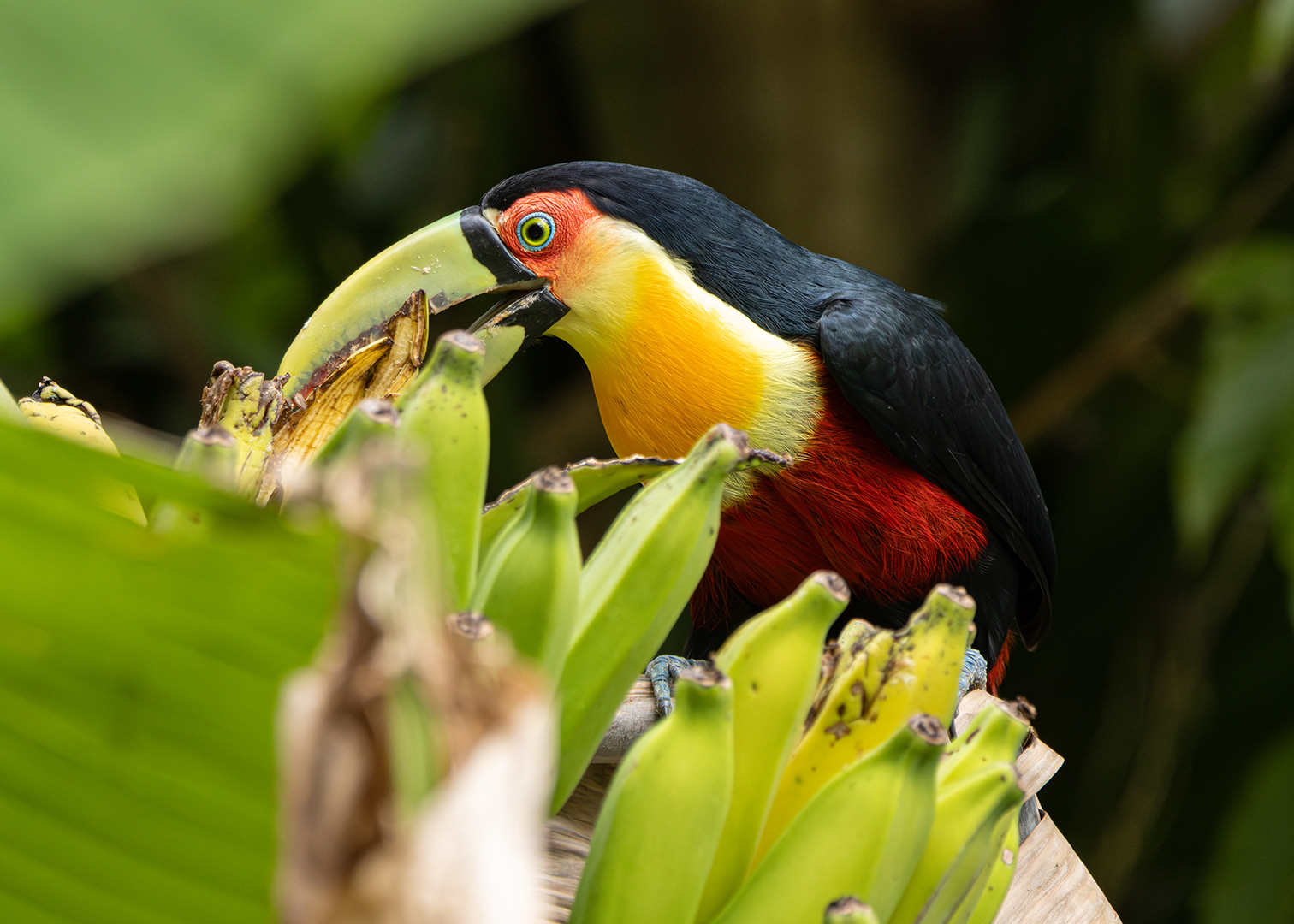
Foi numa ilha do litoral norte de SP que algo aconteceu. Foi em Ilhabela, numa viagem de férias em maio de 2021, que a minha paixão por observar e fotografar aves realmente acendeu: hospedado numa casa em meio à mata, com uma bananeira carregada atrás dela, me deslumbrei com as espécies que apareciam por ali para devorar as bananas maduras. Saís-azuis, tiês-sangue e, os que mais me encantaram, um bando de tucanos-de-bico-verde. Cliquei sem parar, hipnotizado. Desde então, sempre vou ao "mato" para encontrar e fotografar aves e seres não emplumados como os que aparecem nesse portfólio. E o tucano-de-bico-verde se tornou meu símbolo fotográfico, como pode ser visto aqui.
Sobre a ilha de São Sebastião, onde está o município de Ilhabela - nome que faz jus ao lugar pela sua incrível beleza - é um grande rincão do litoral paulista com muita floresta preservada. É a maior ilha totalmente marítima do Brasil, com quase 85% da sua área sob a Mata Atlântica exuberante do Parque Estadual de Ilhabela. Um local onde observadores de vida selvagem podem encontrar uma riqueza de espécies tanto em suas matas quanto em suas águas circundantes, como as cada vez mais frequentes baleias-jubarte. Ilhabela é um lugar onde histórias realmente se iniciam.
🇬🇧 ILHABELA: WHERE THE STORY BEGINS
It was on an island off the northern coast of São Paulo that it all began. In Ilhabela, during a vacation in May 2021, my passion for birdwatching and photography truly ignited. Staying at a house nestled in the forest, with a banana tree heavy with fruit right outside, I was mesmerized by the species that gathered there to feast. Blue dacnis, Brazilian tanagers, and - the ones that captivated me most - a flock of red-breasted toucans. I photographed them incessantly, completely hypnotized. Since then, I find myself constantly heading into the wild to find and document birds and other "non-feathered" creatures, like the ones featured in this portfolio. The red-breasted toucan has since become my photographic symbol, as seen here.
The island of São Sebastião, home to the municipality of Ilhabela - a name that translates to "Beautiful Island" and certainly lives up to it - is a vast sanctuary on the São Paulo coast with deeply preserved forests. It is Brazil’s largest coastal island, with nearly 85% of its territory protected by the lush Atlantic Forest of the Ilhabela State Park. It is a place where wildlife enthusiasts can find a wealth of species, both within its dense canopy and in its surrounding waters, where humpback whales are an increasingly frequent sight. Ilhabela is truly a place where stories begin.
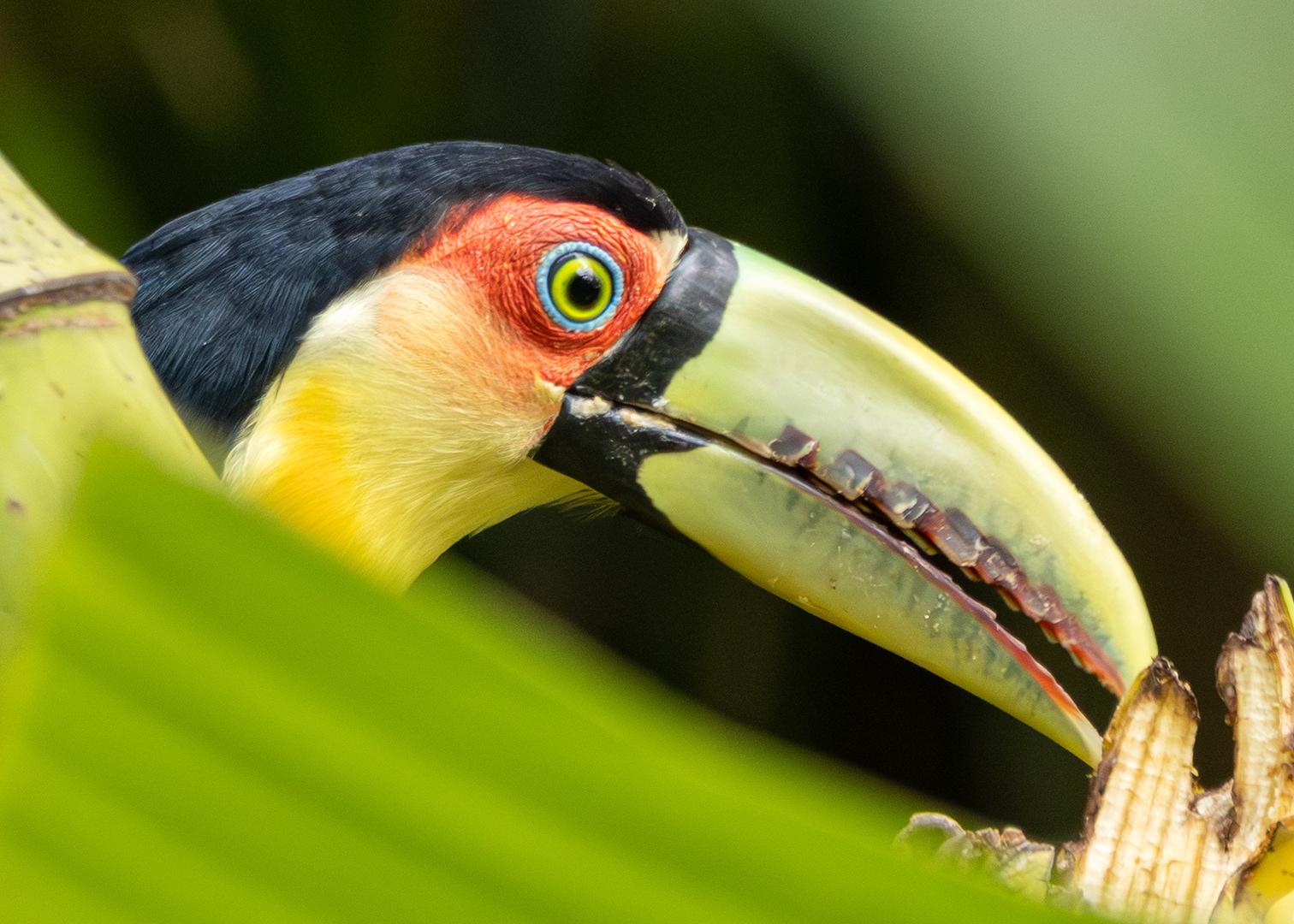
Tucano-de-bico-verde (Ramphastos dicolorus)
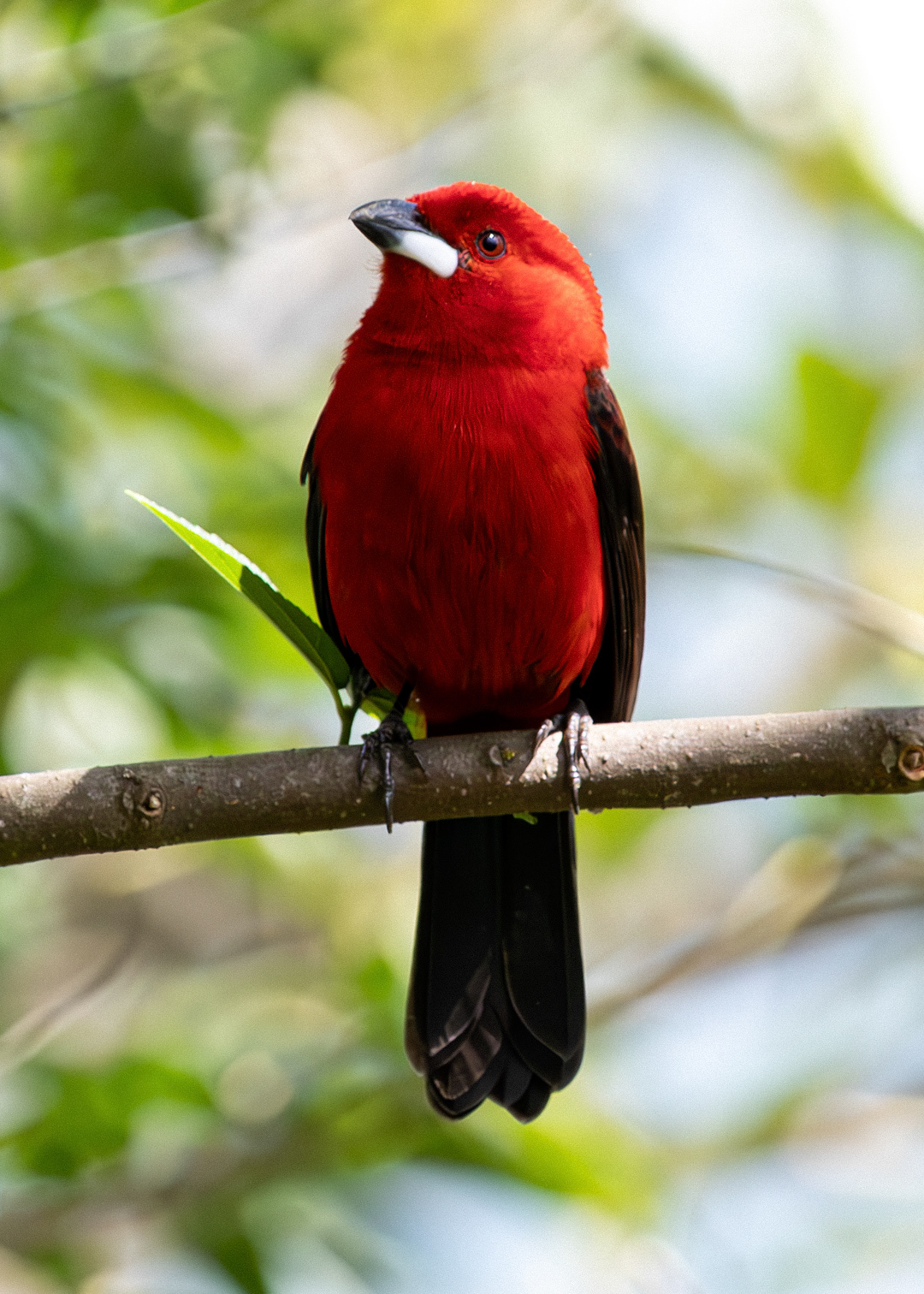
Tiê-sangue ♂ (Ramphocelus bresilia)
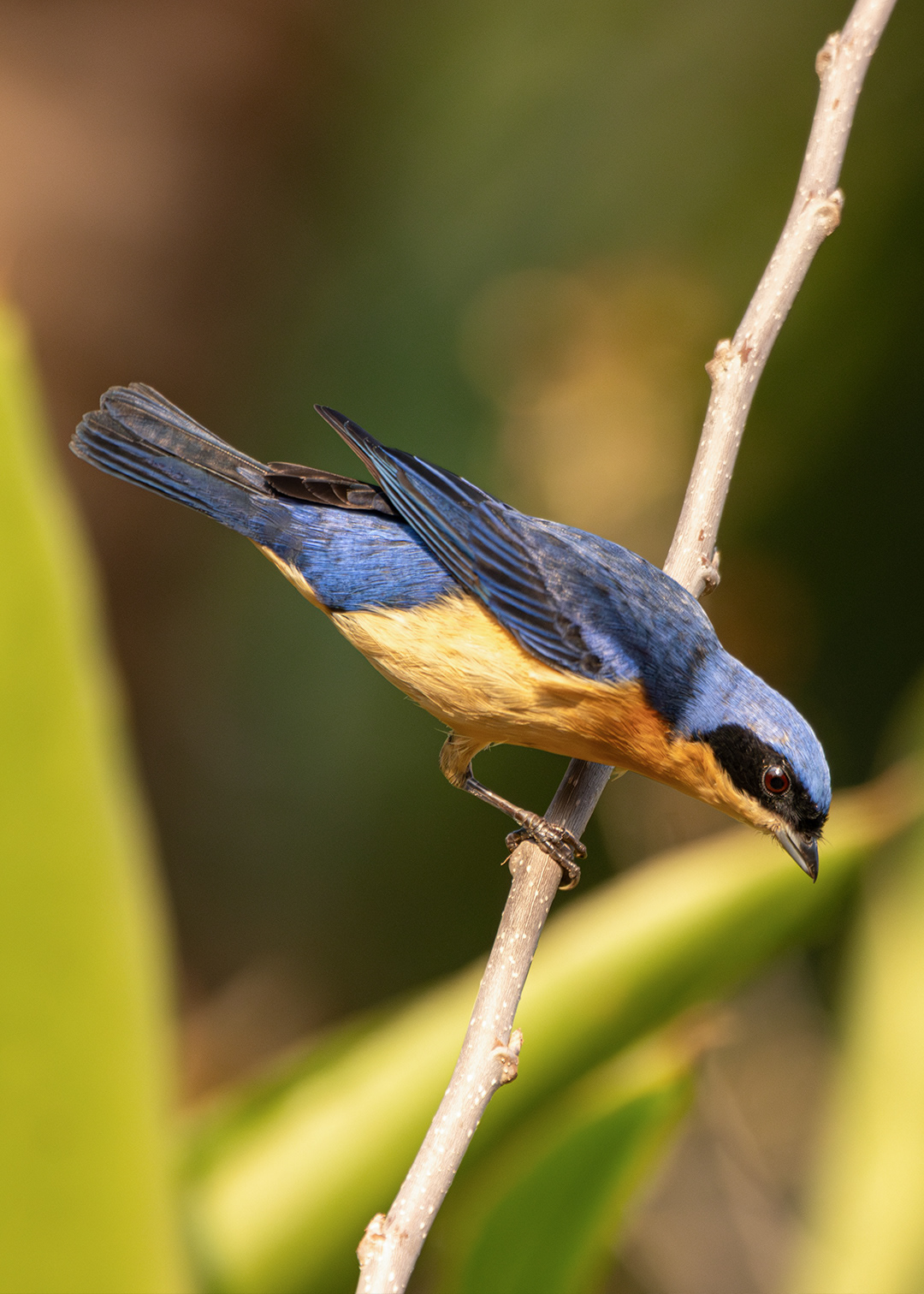
Saíra-viúva ♂ (Pipraeidea melanonota)
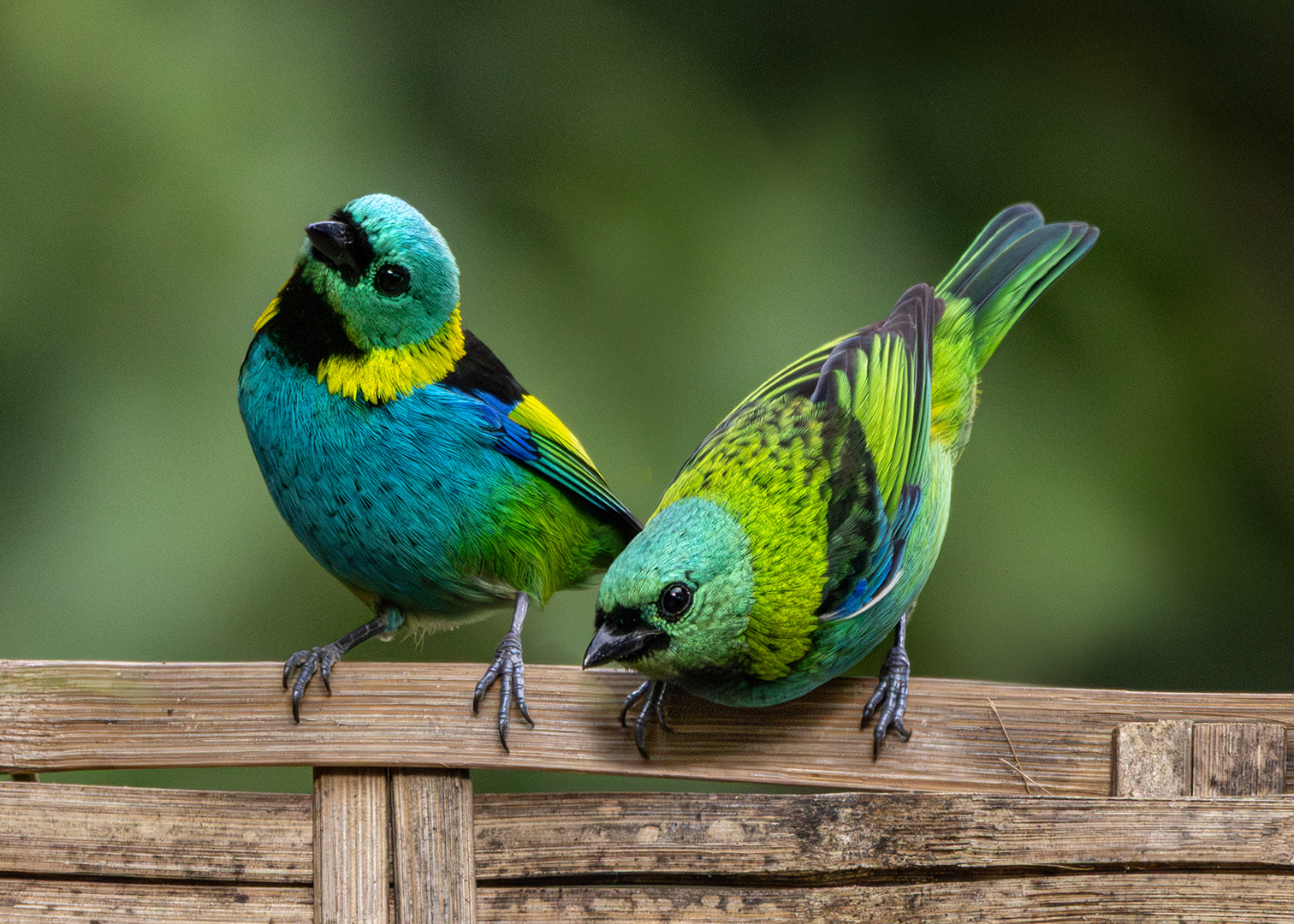
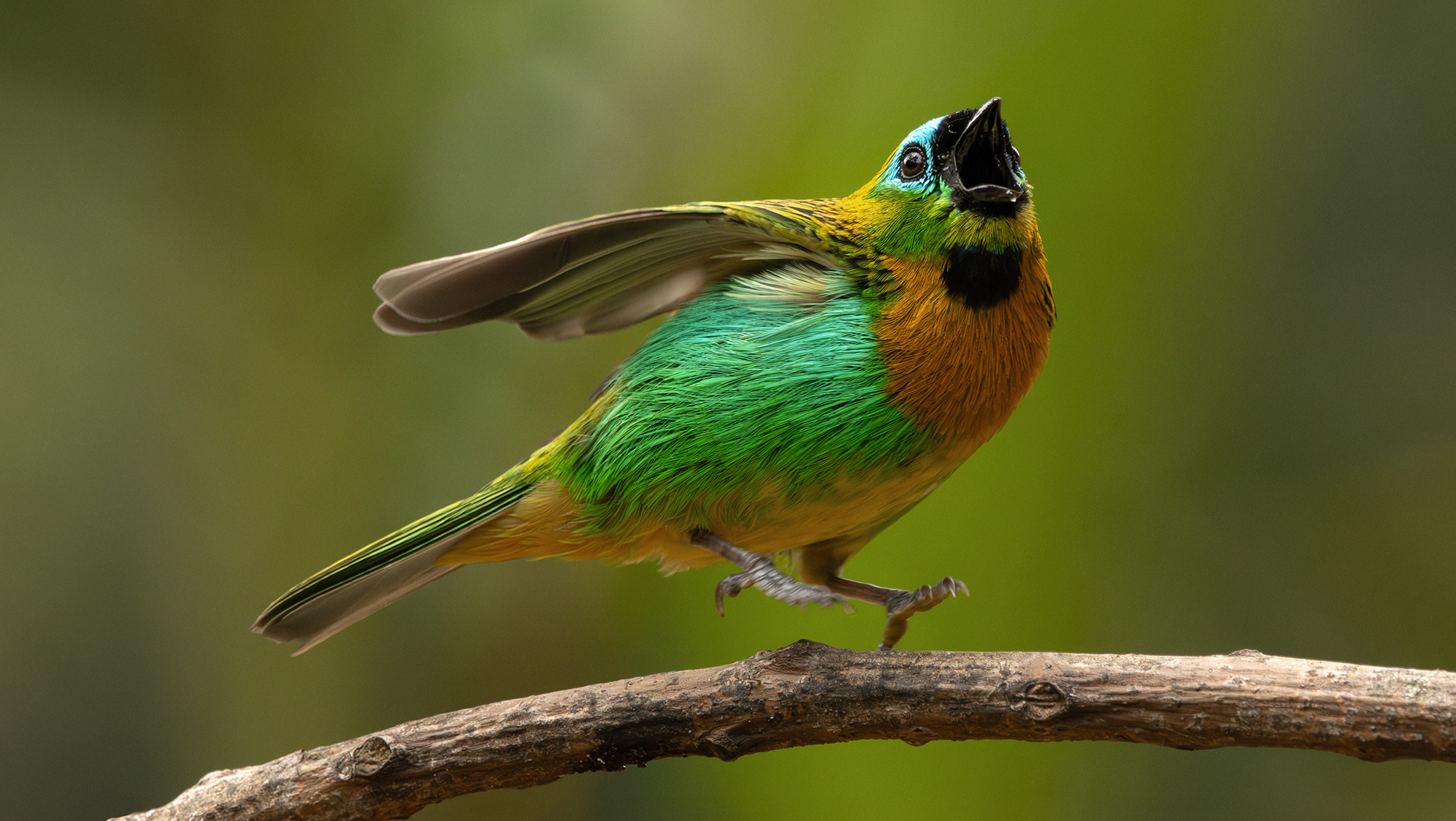
Saíra-sete-cores (Tangara seledon)
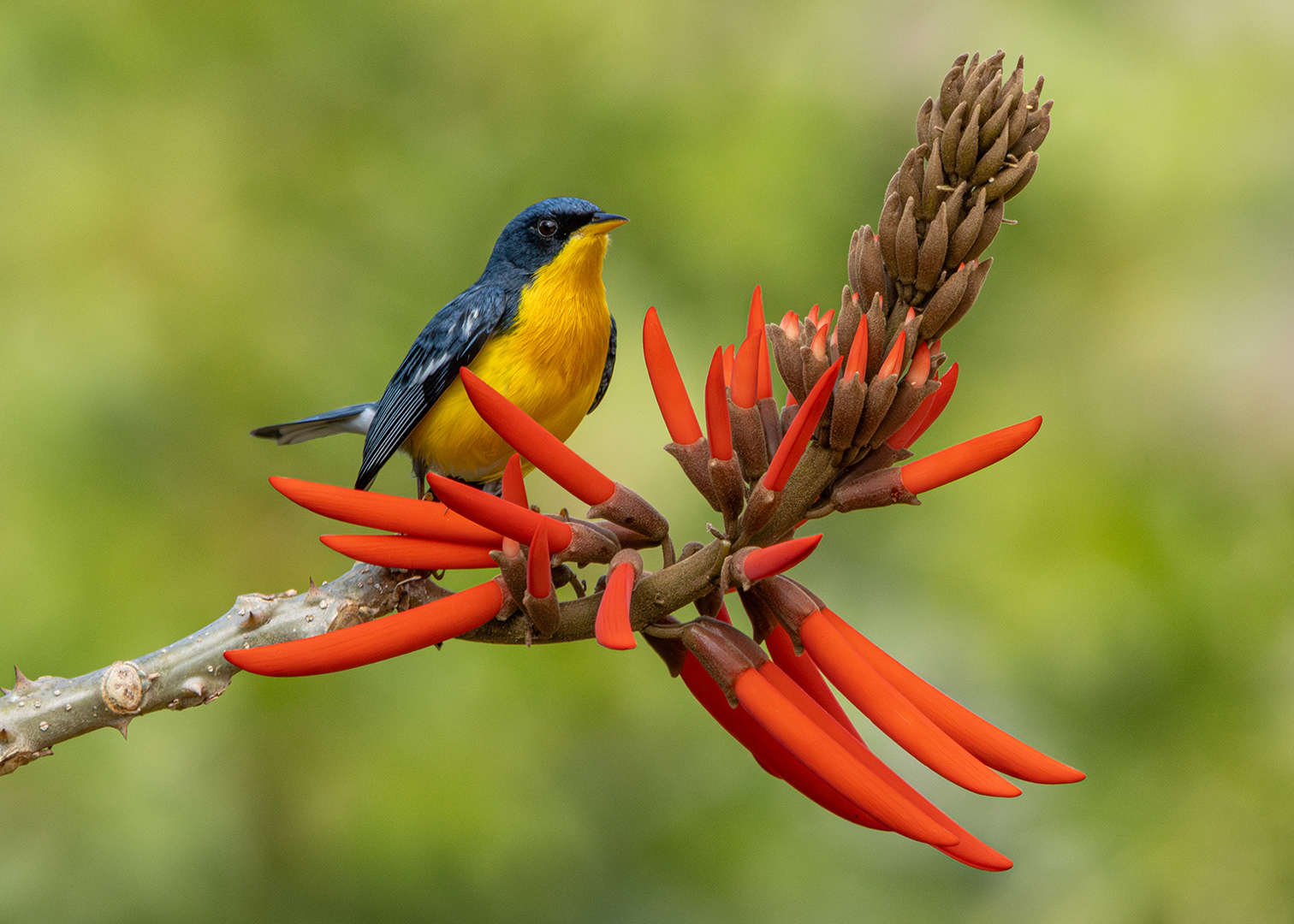
Mariquita (Setophaga pitiayumi)
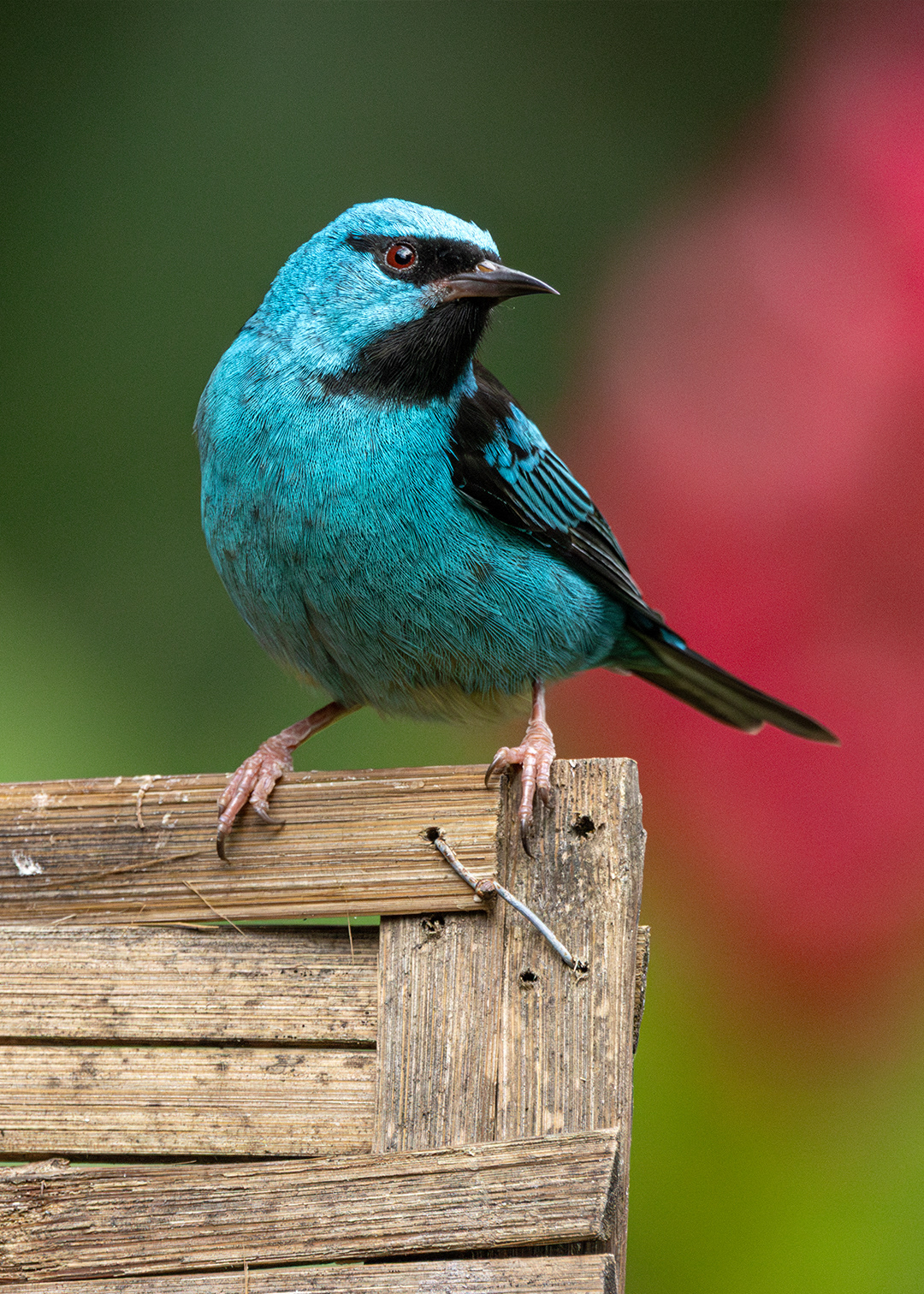
Saí-azul ♂ (Dacnis cayana)
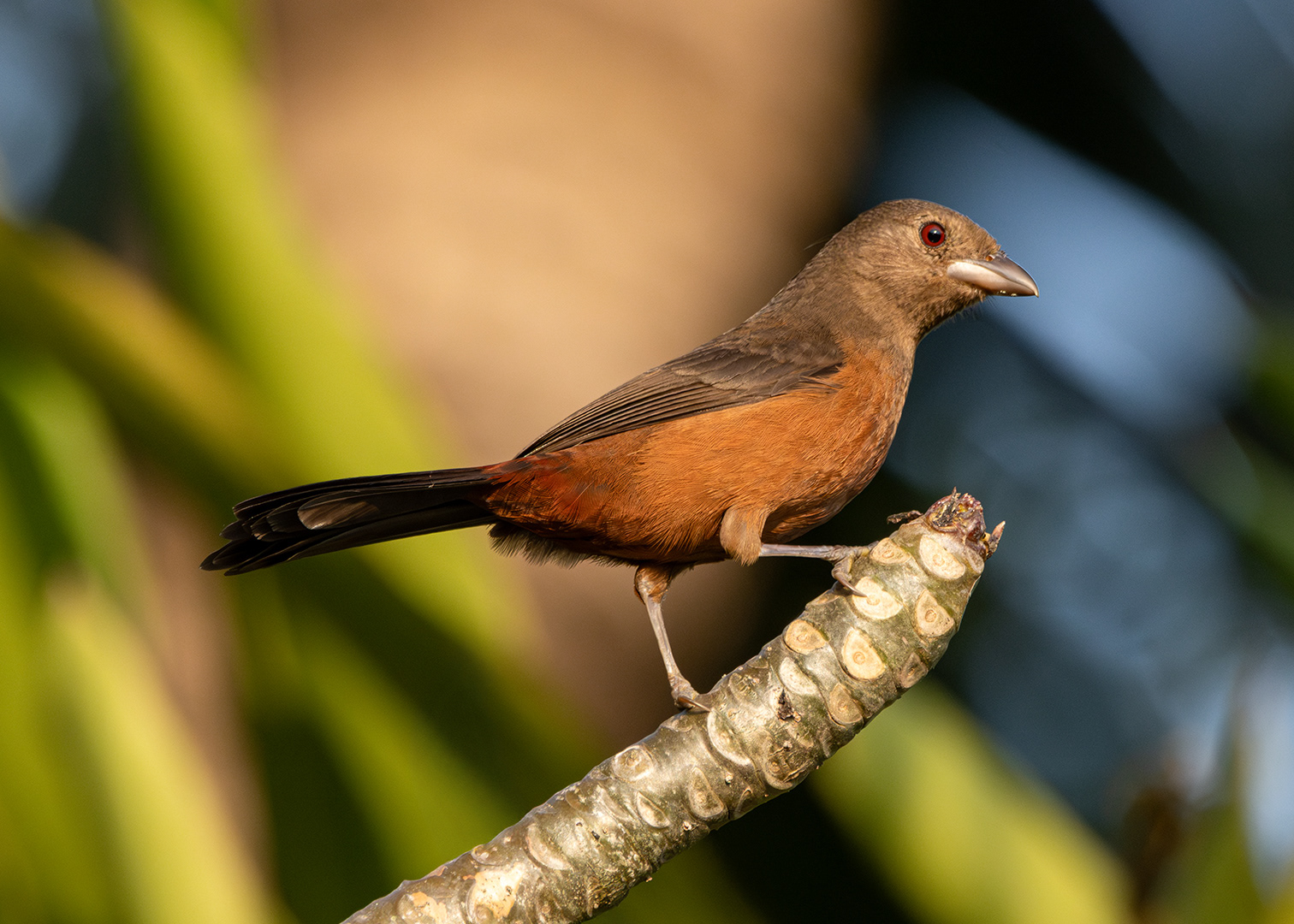
Tiê-sangue ♀ (Ramphocelus bresilia)
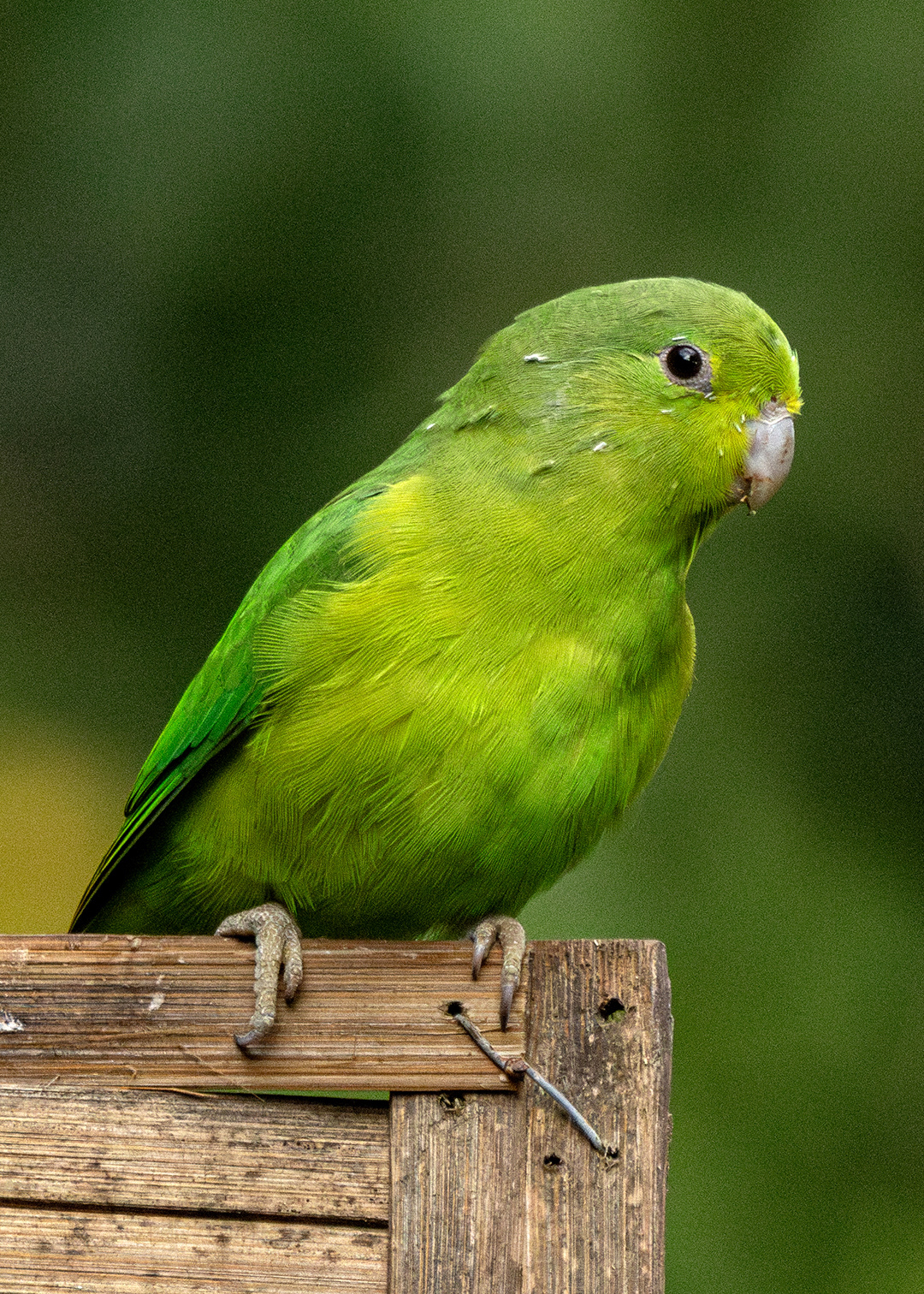
Tuim ♀ (Forpus xanthopterygius)
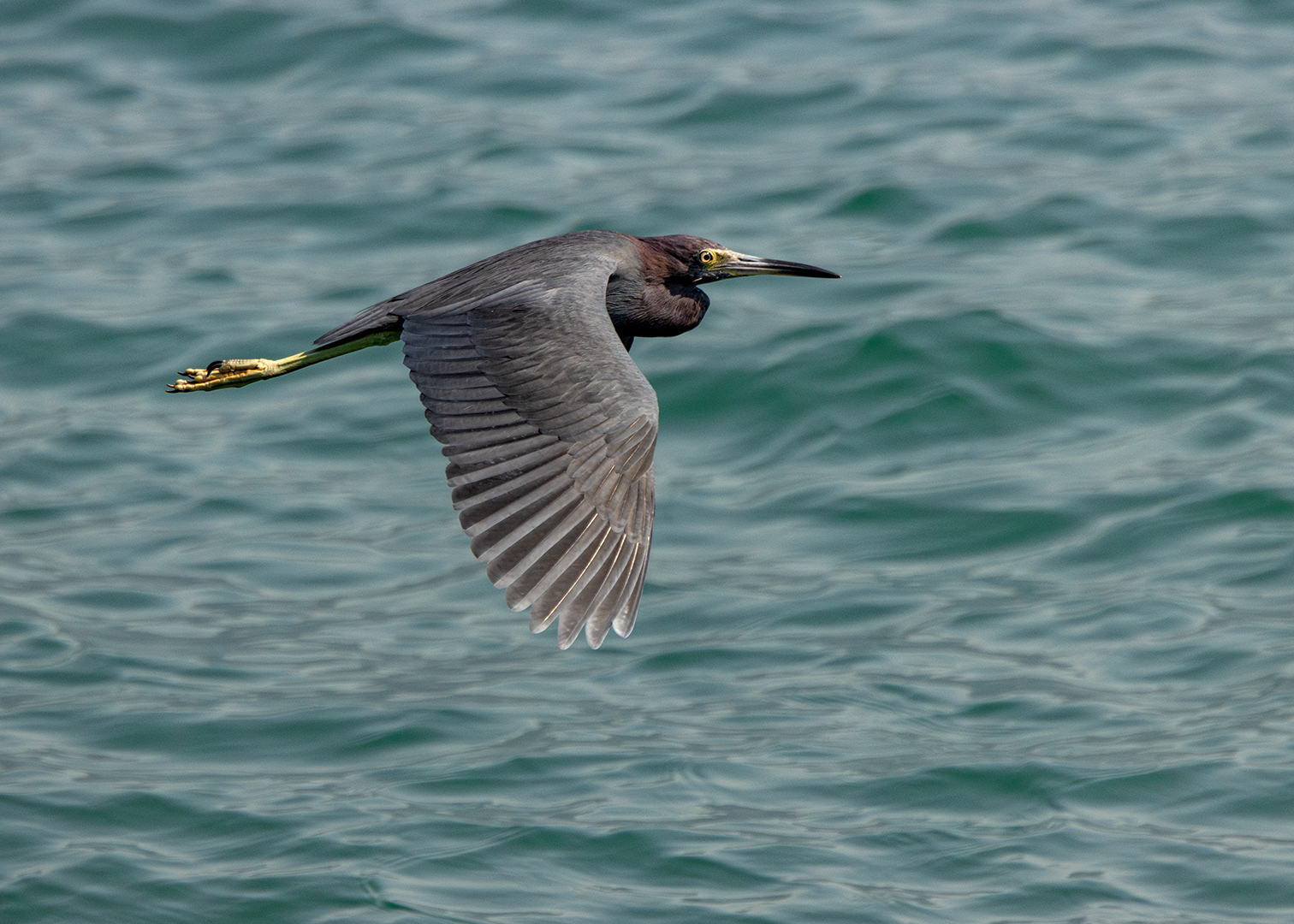
Garça-azul (Egretta caerulea)
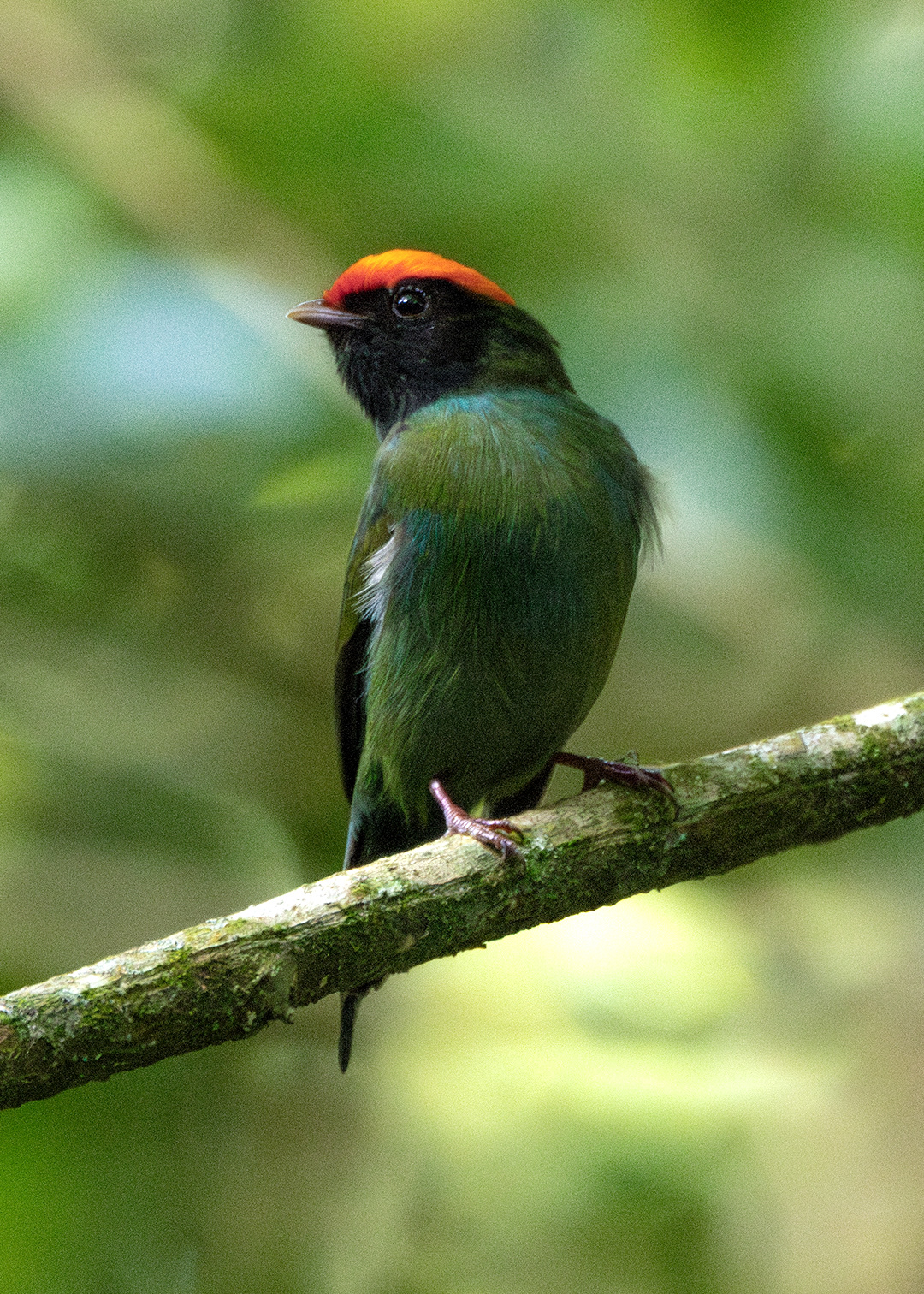
Tangará ♂ (Chiroxiphia caudata)
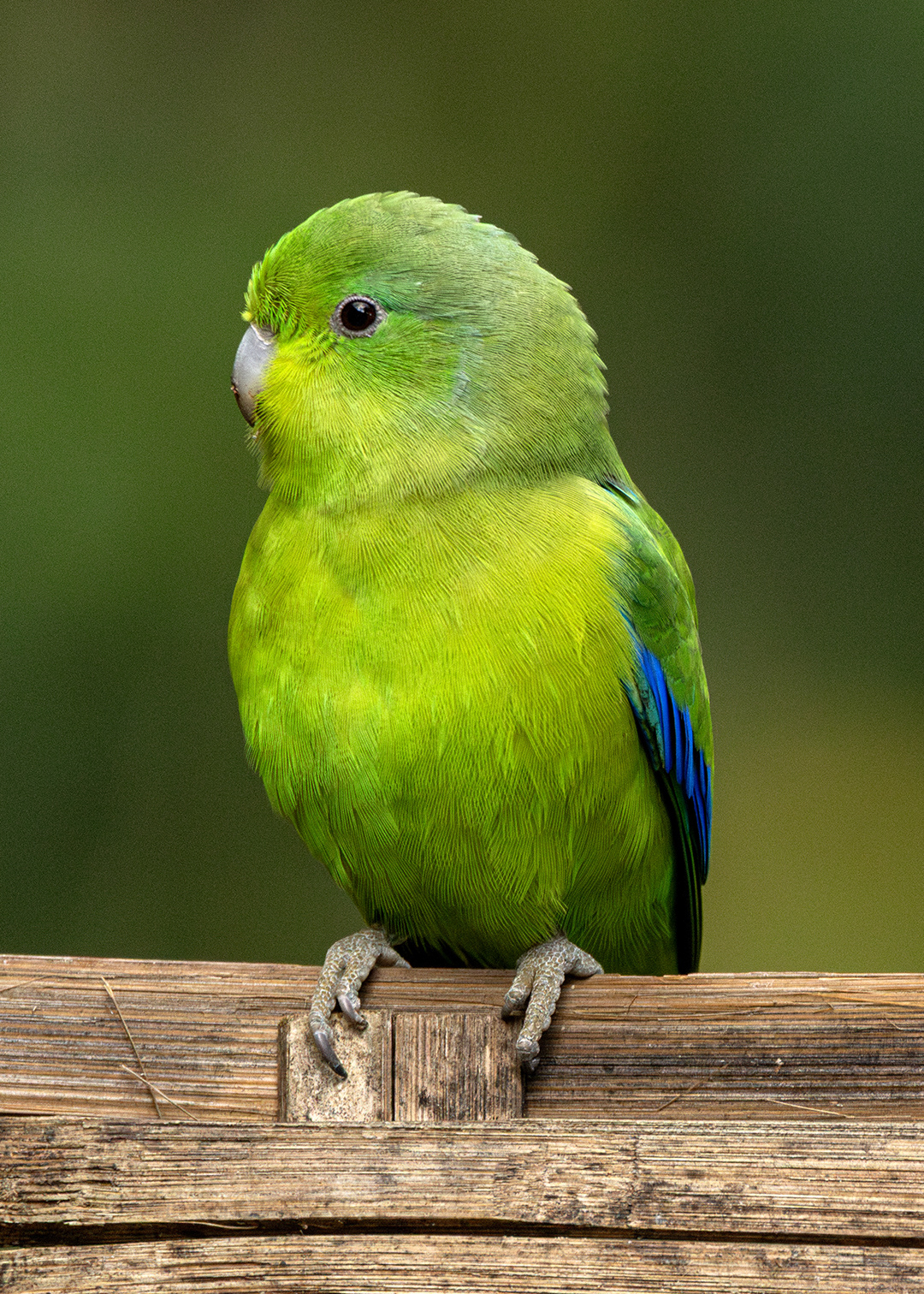
Tuim ♂ (Forpus xanthopterygius)
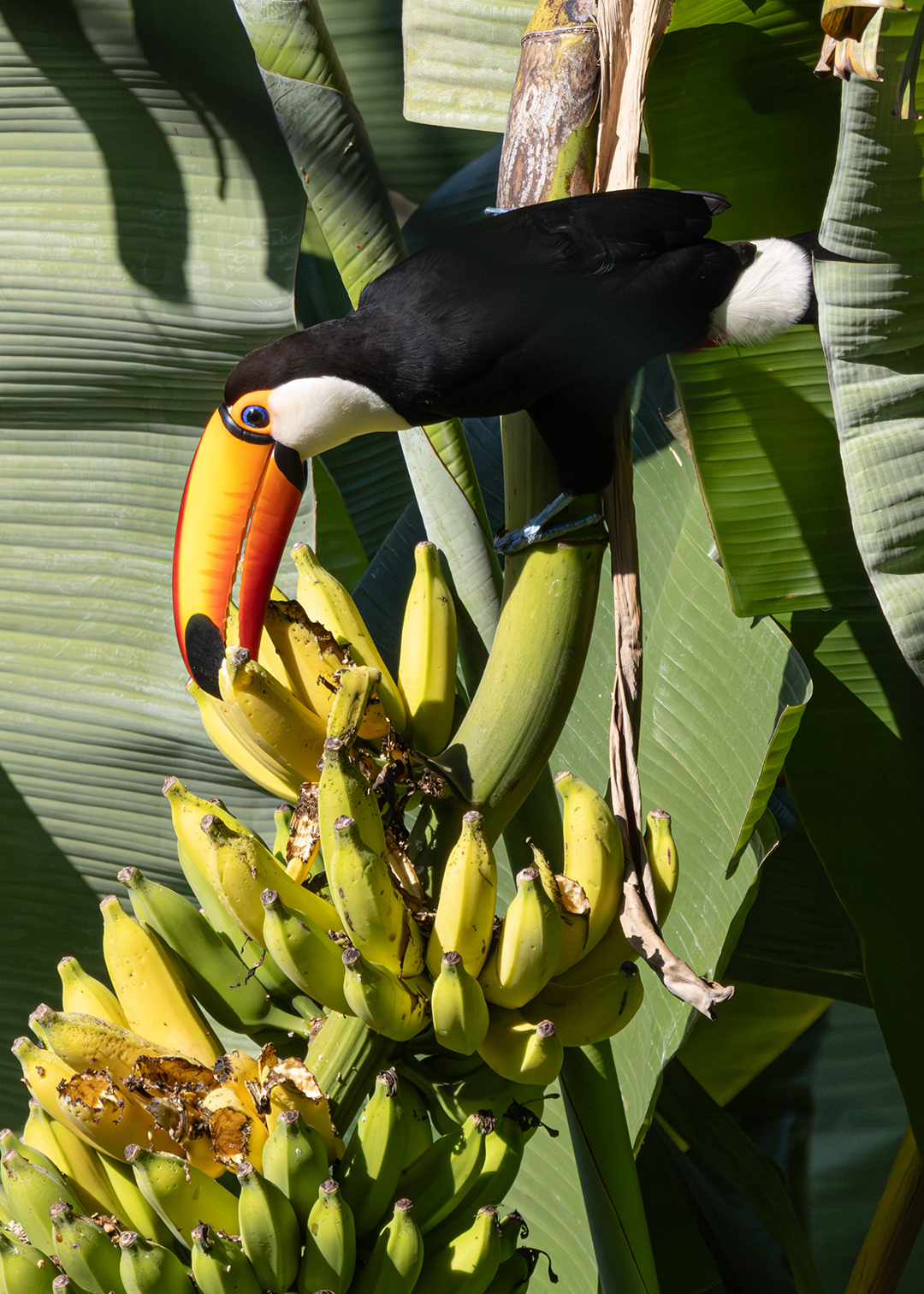
Tucanuçu (Ramphastos toco)
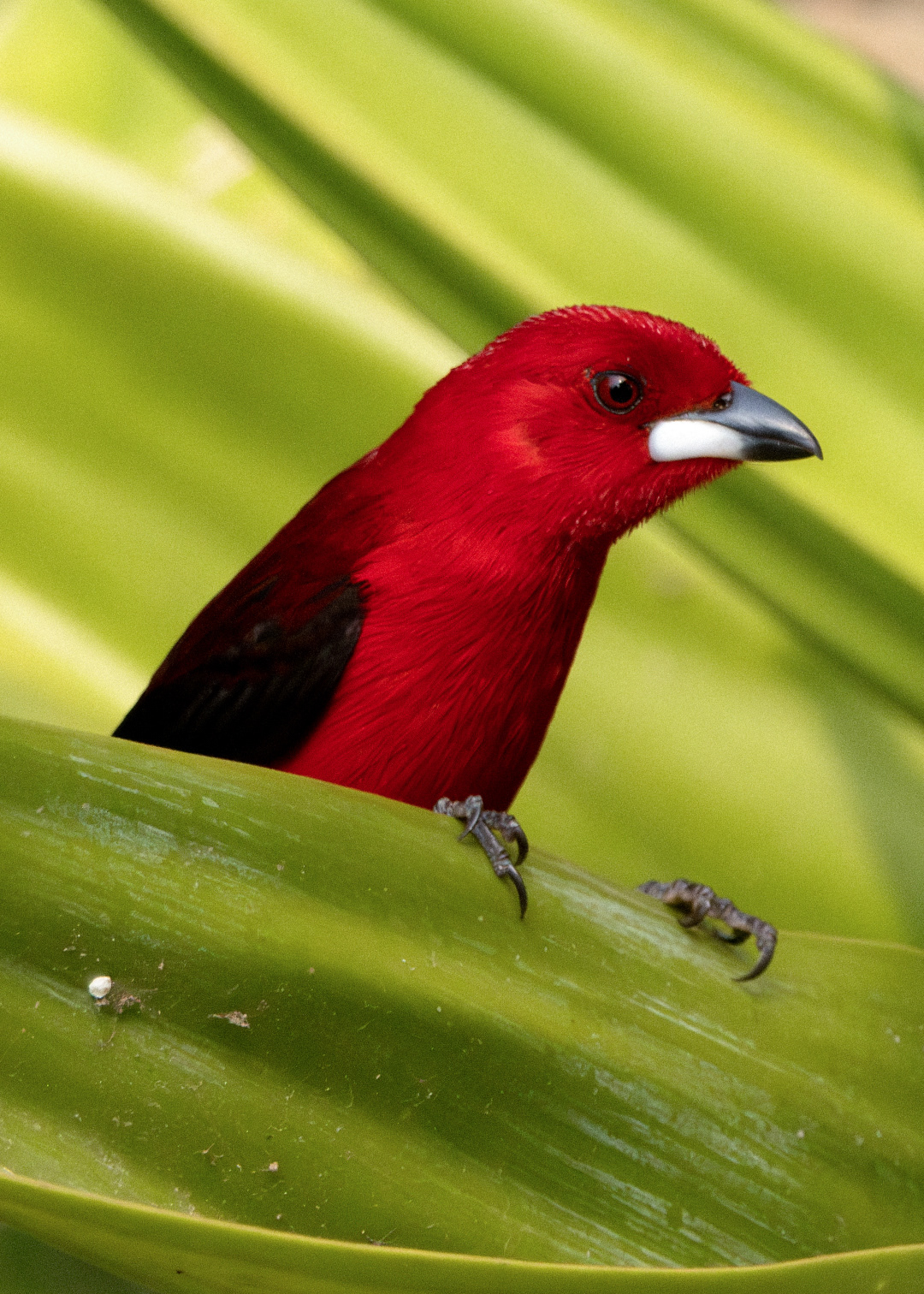
Tiê-sangue ♂ (Ramphocelus bresilia)
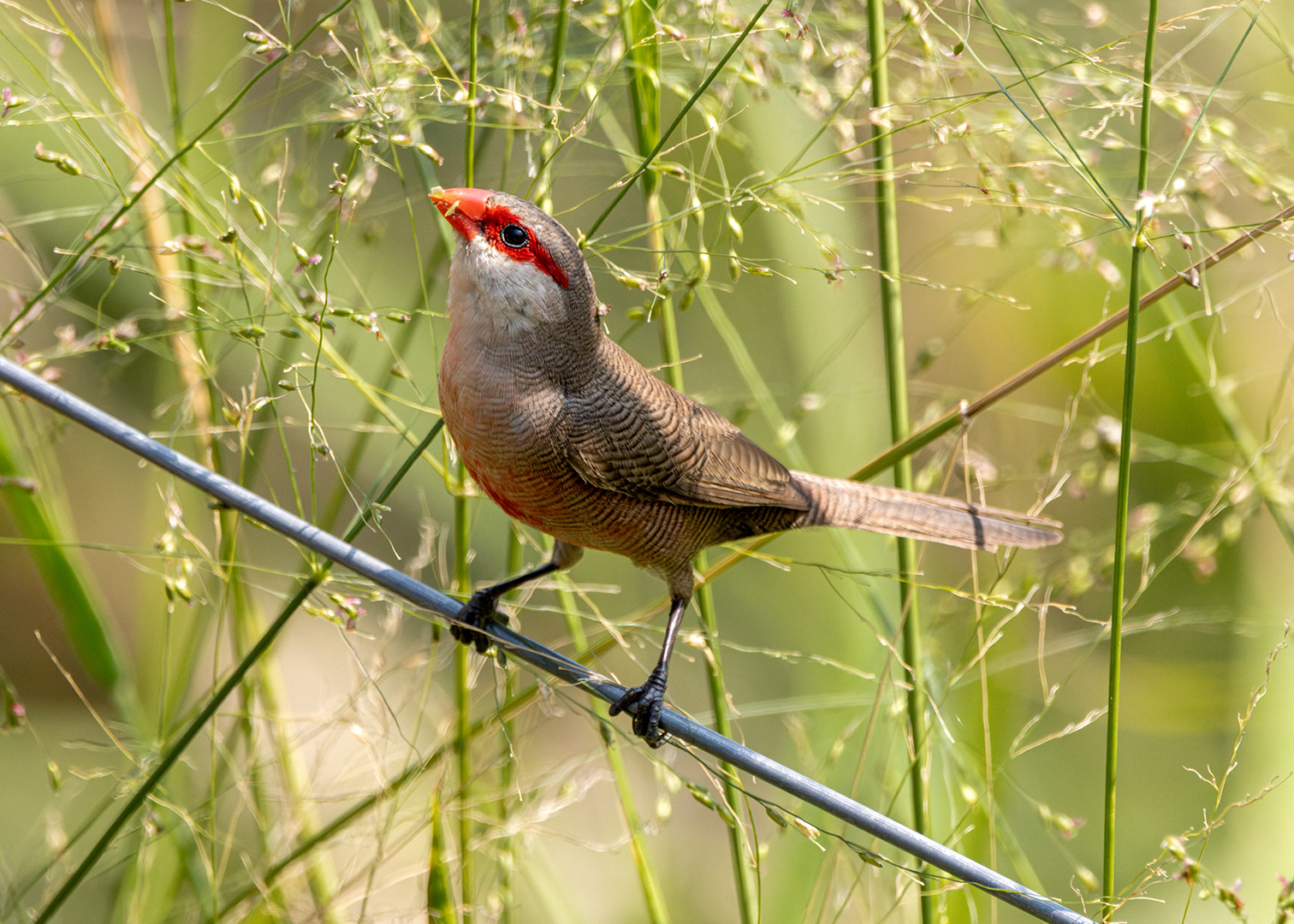
Bico-de-lacre (Estrilda astrild)
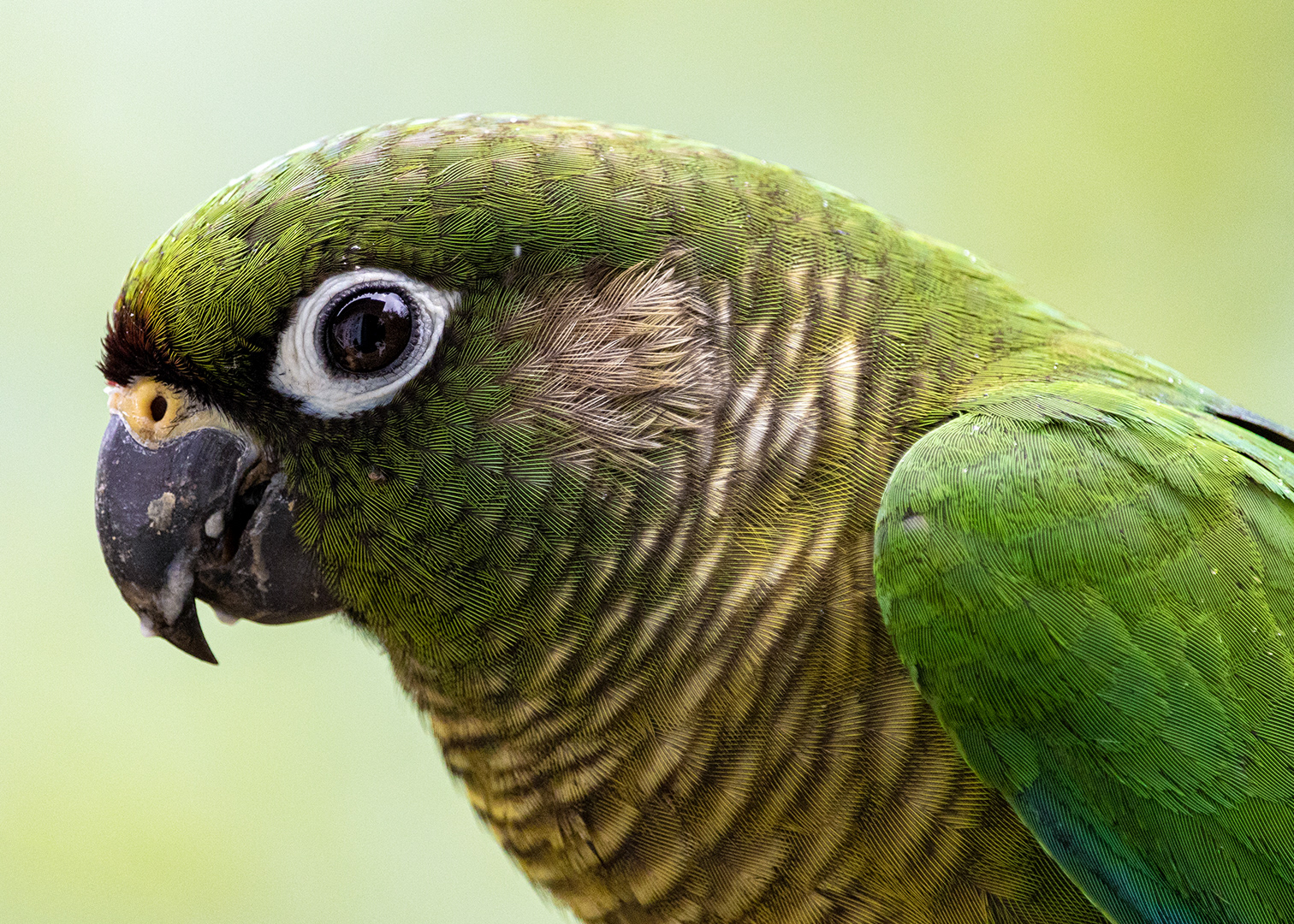
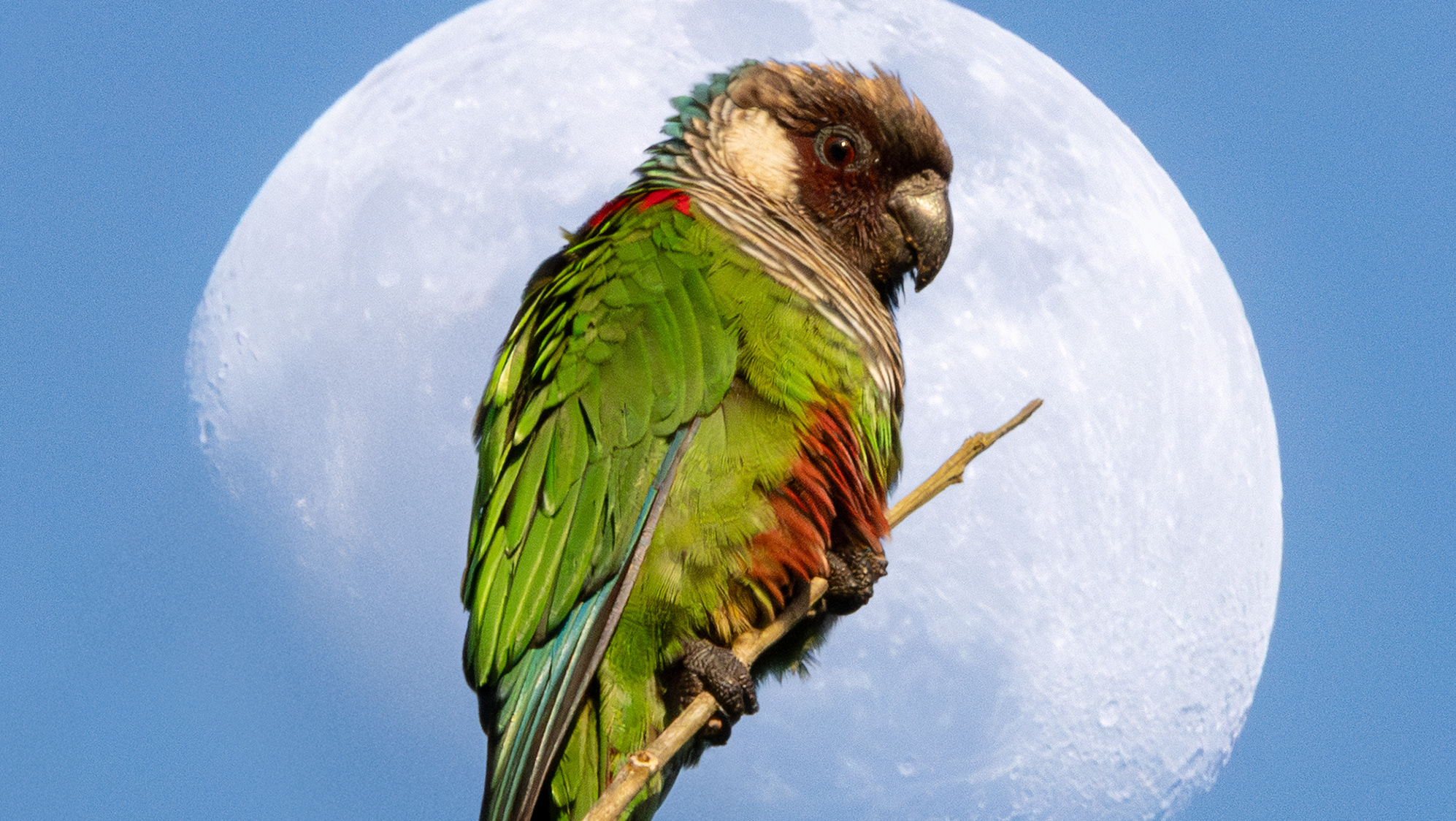
Tiriba-de-testa-vermelha (Pyrrhura frontalis)
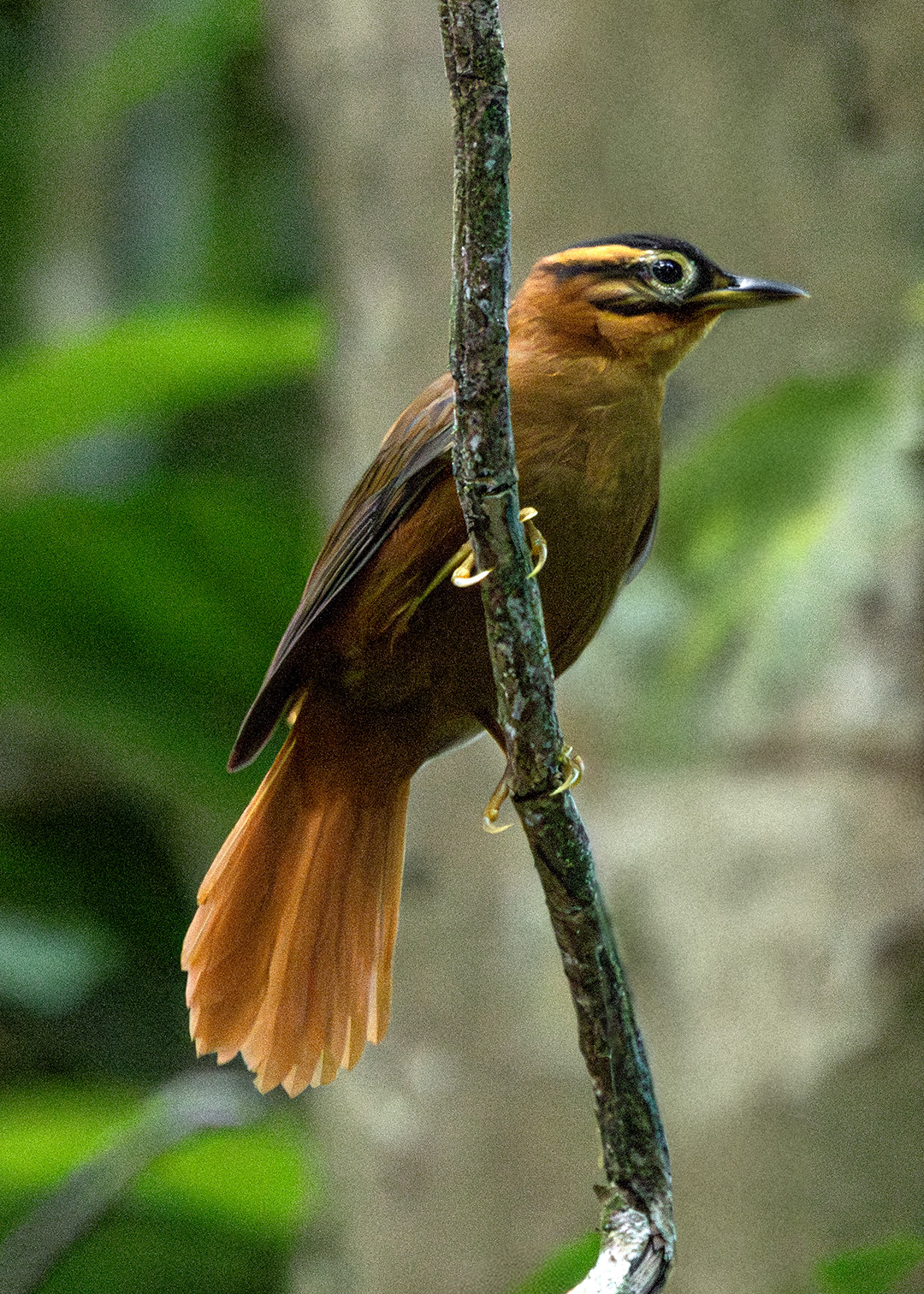
Limpa-folha-coroado (Philydor atricapillus)
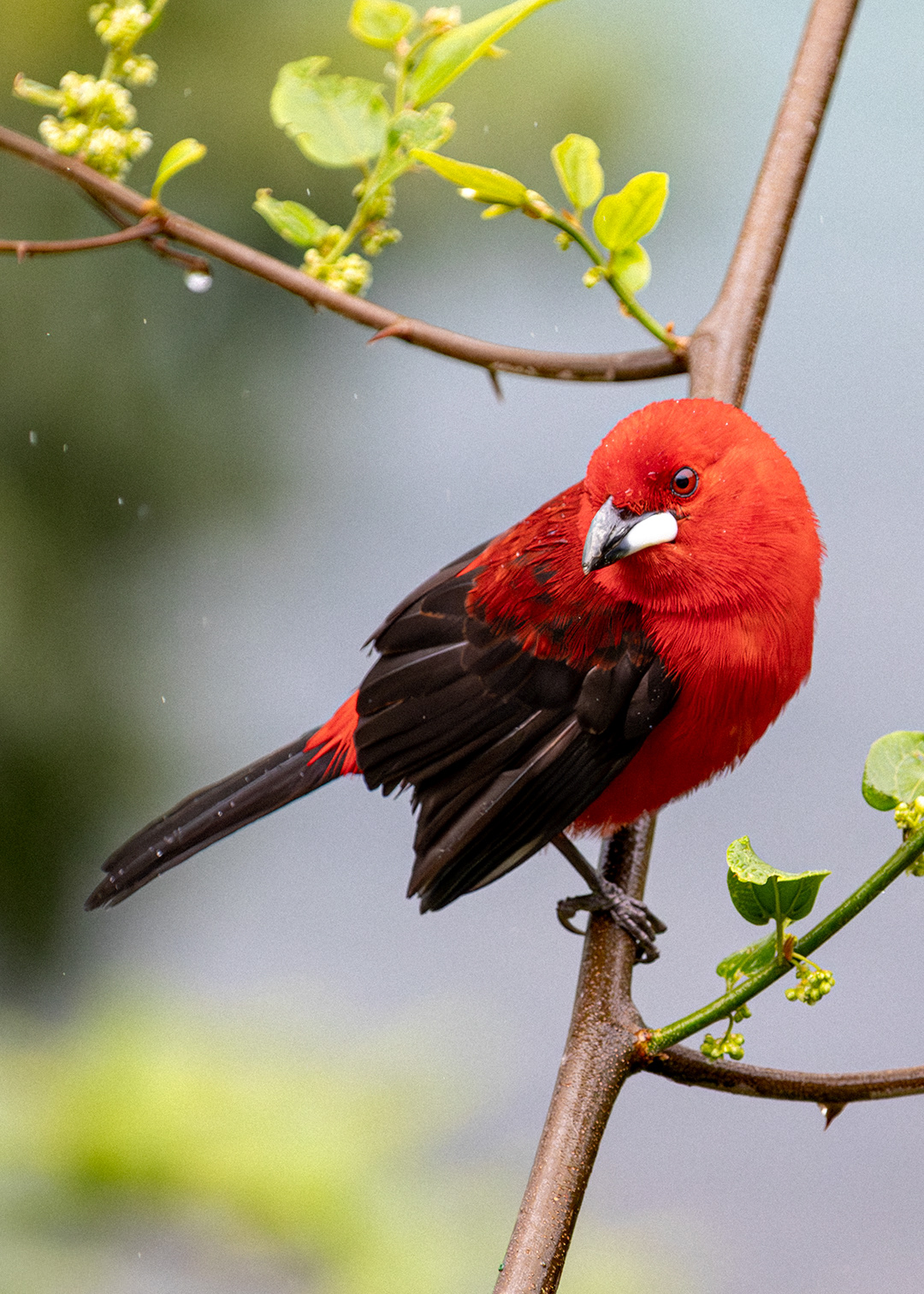
Tiê-sangue ♂ (Ramphocelus bresilia)
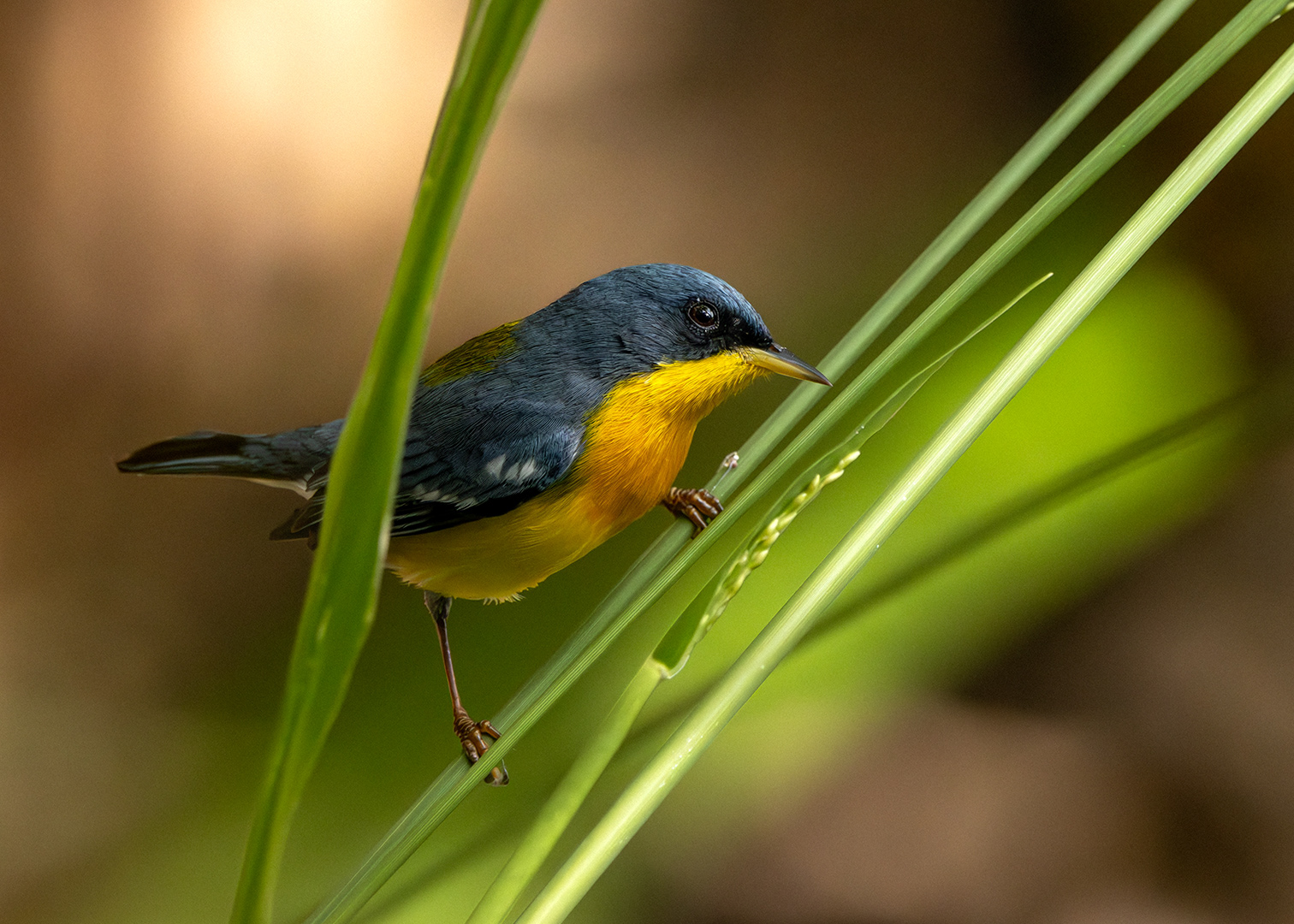
Mariquita (Setophaga pitiayumi)
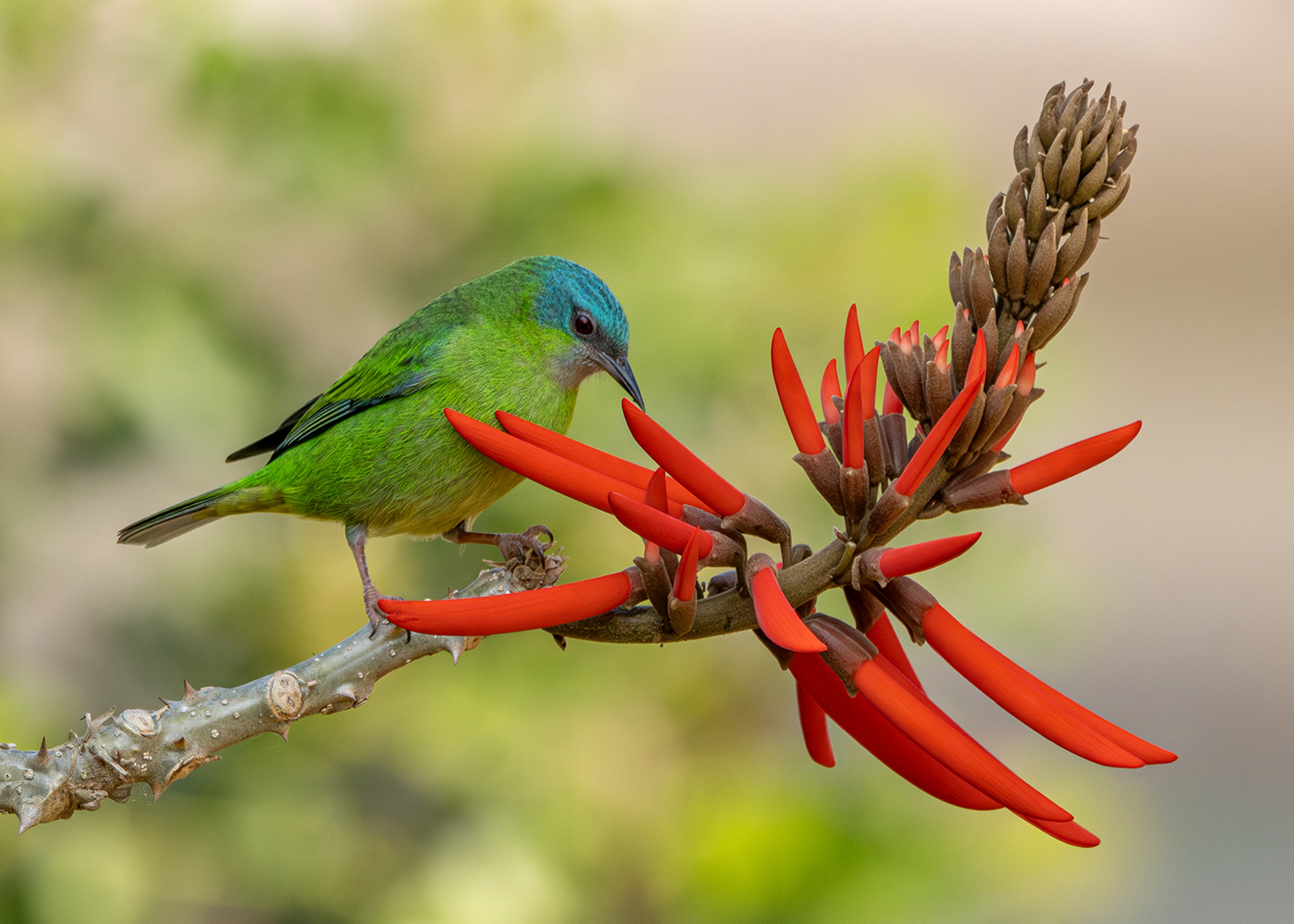
Saí-azul ♀ (Dacnis cayana)
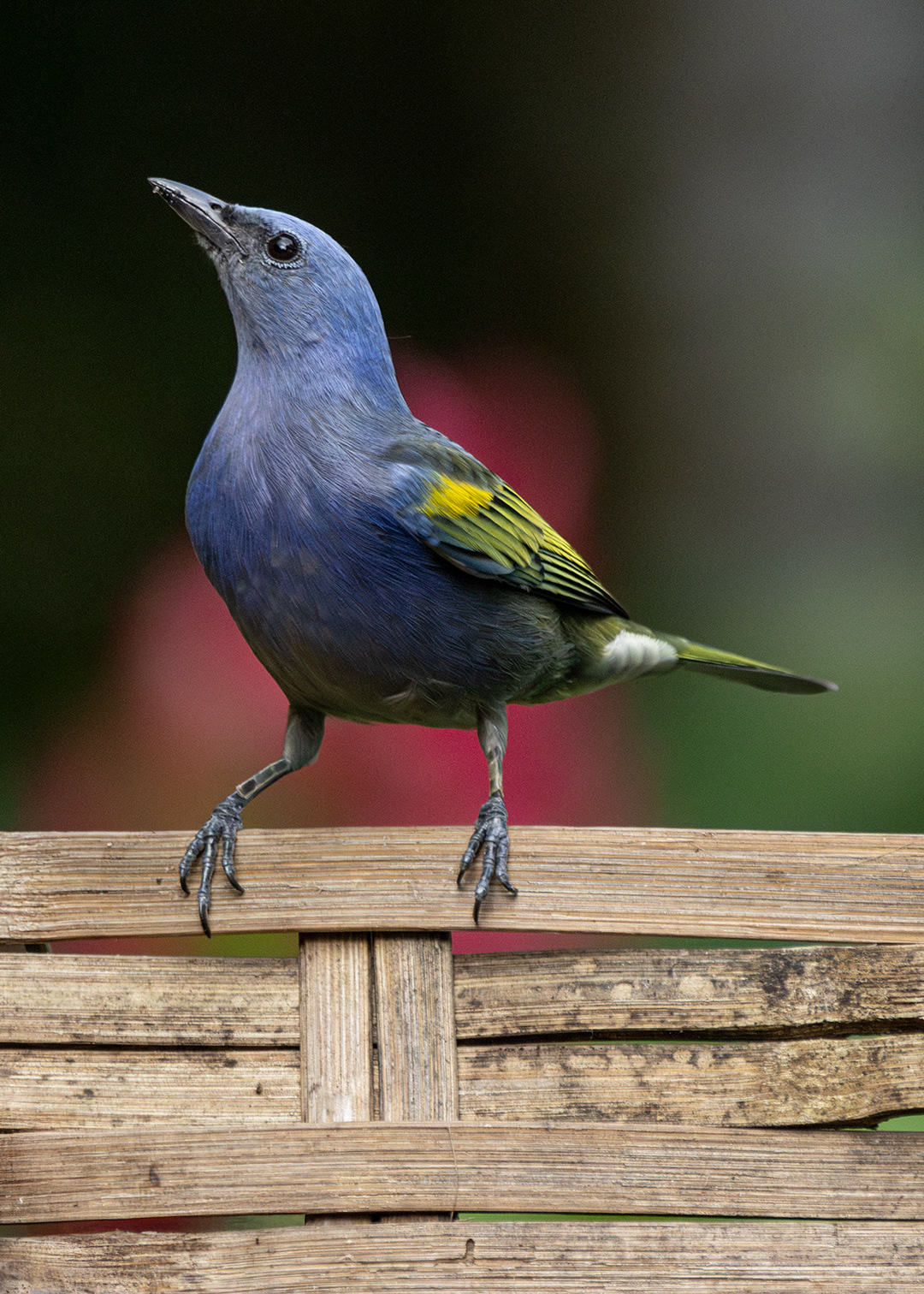
Sanhaço-de-encontro-amarelo (Thraupis ornata)
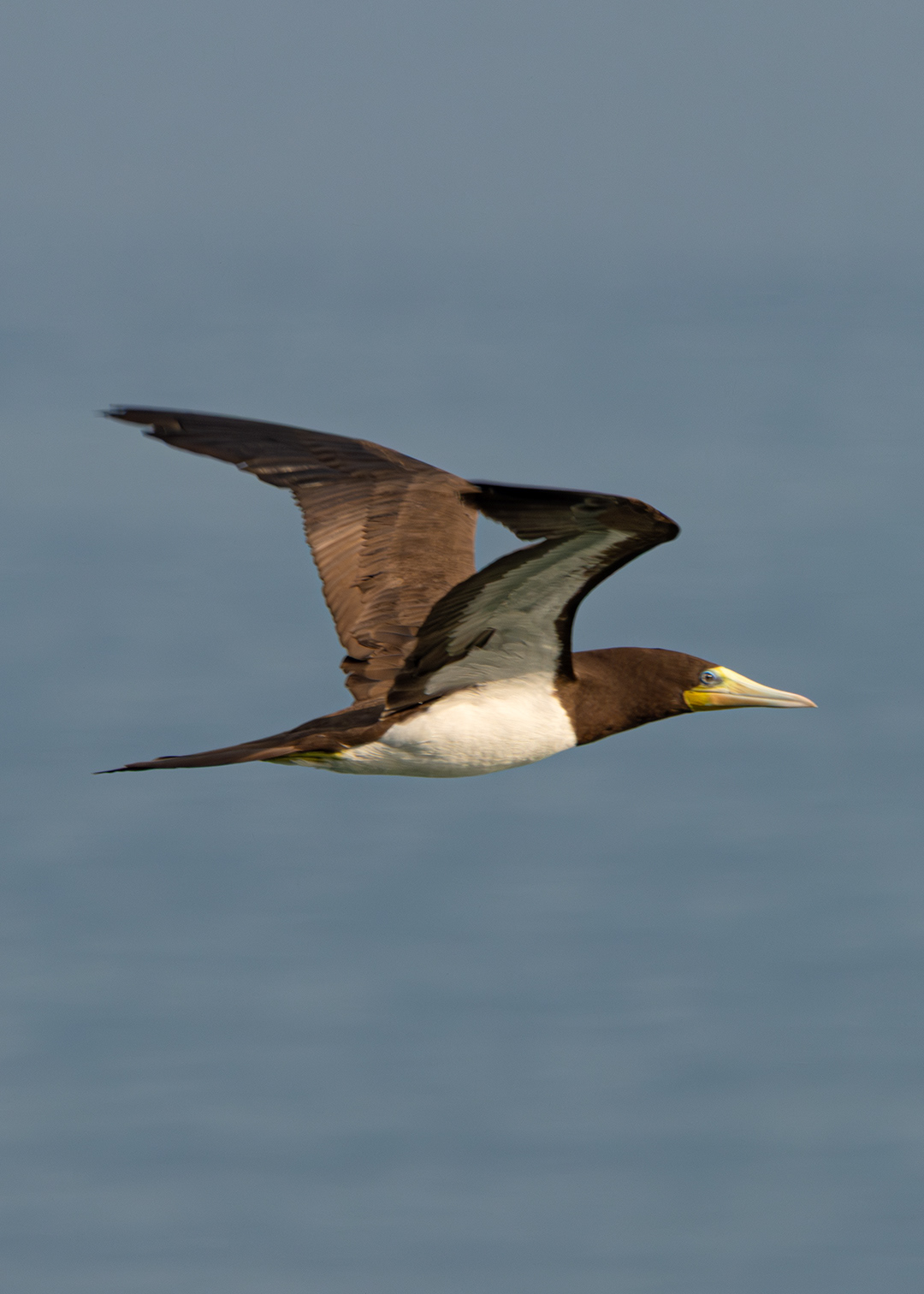
Atobá-pardo (Sula leucogaster)
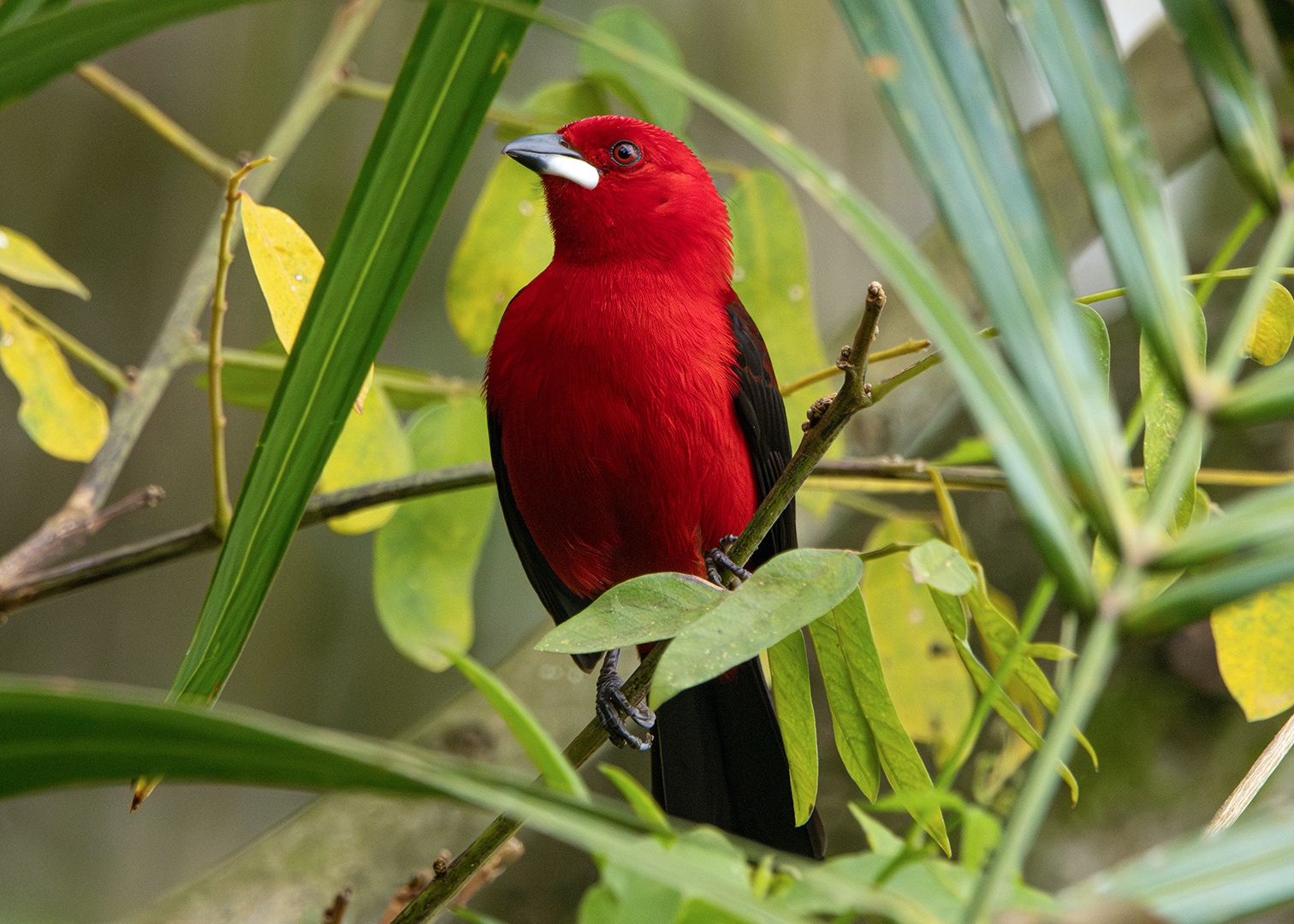
Tiê-sangue ♂ (Ramphocelus bresilia)
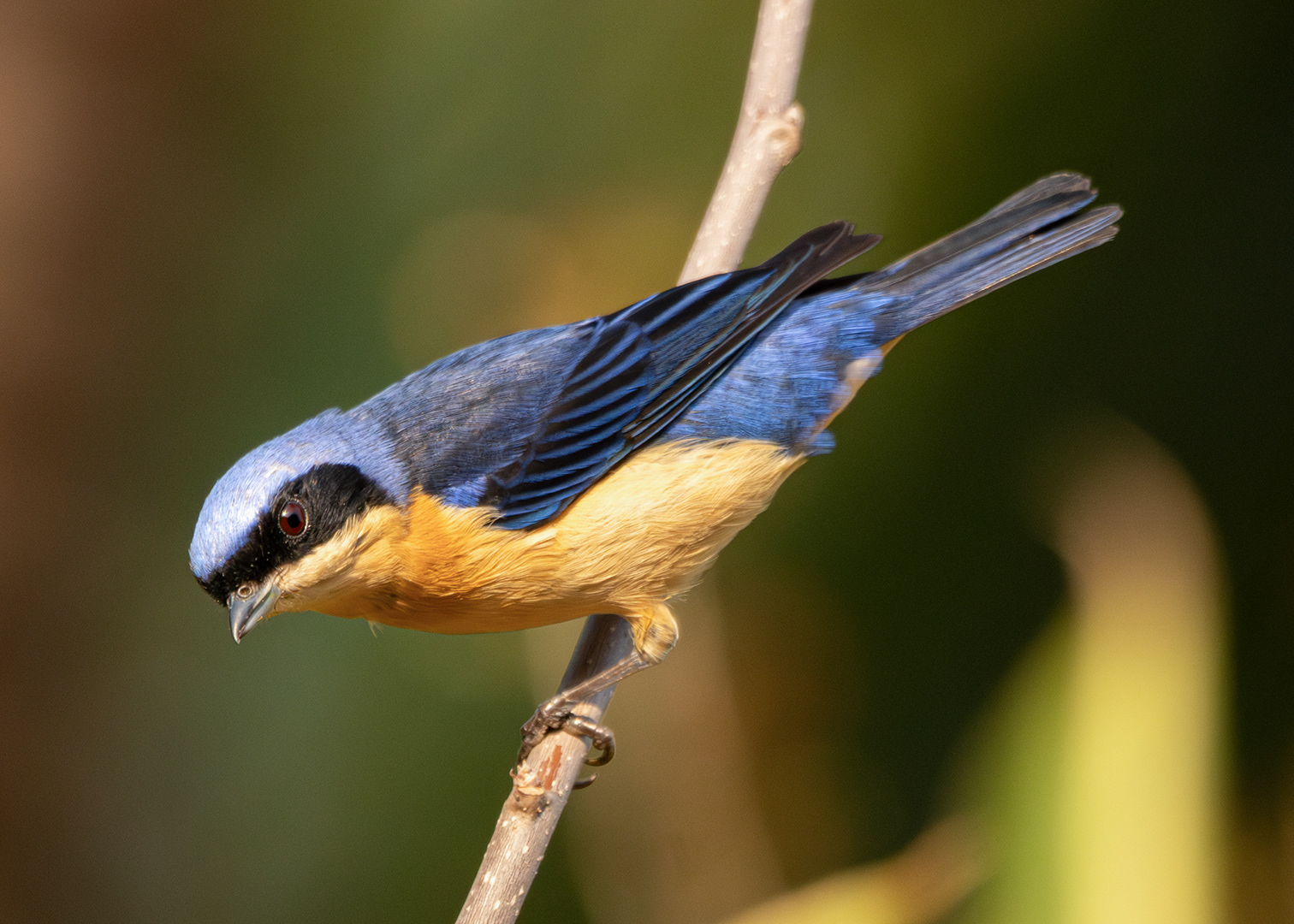
Saíra-viúva ♂ (Pipraeidea melanonota)
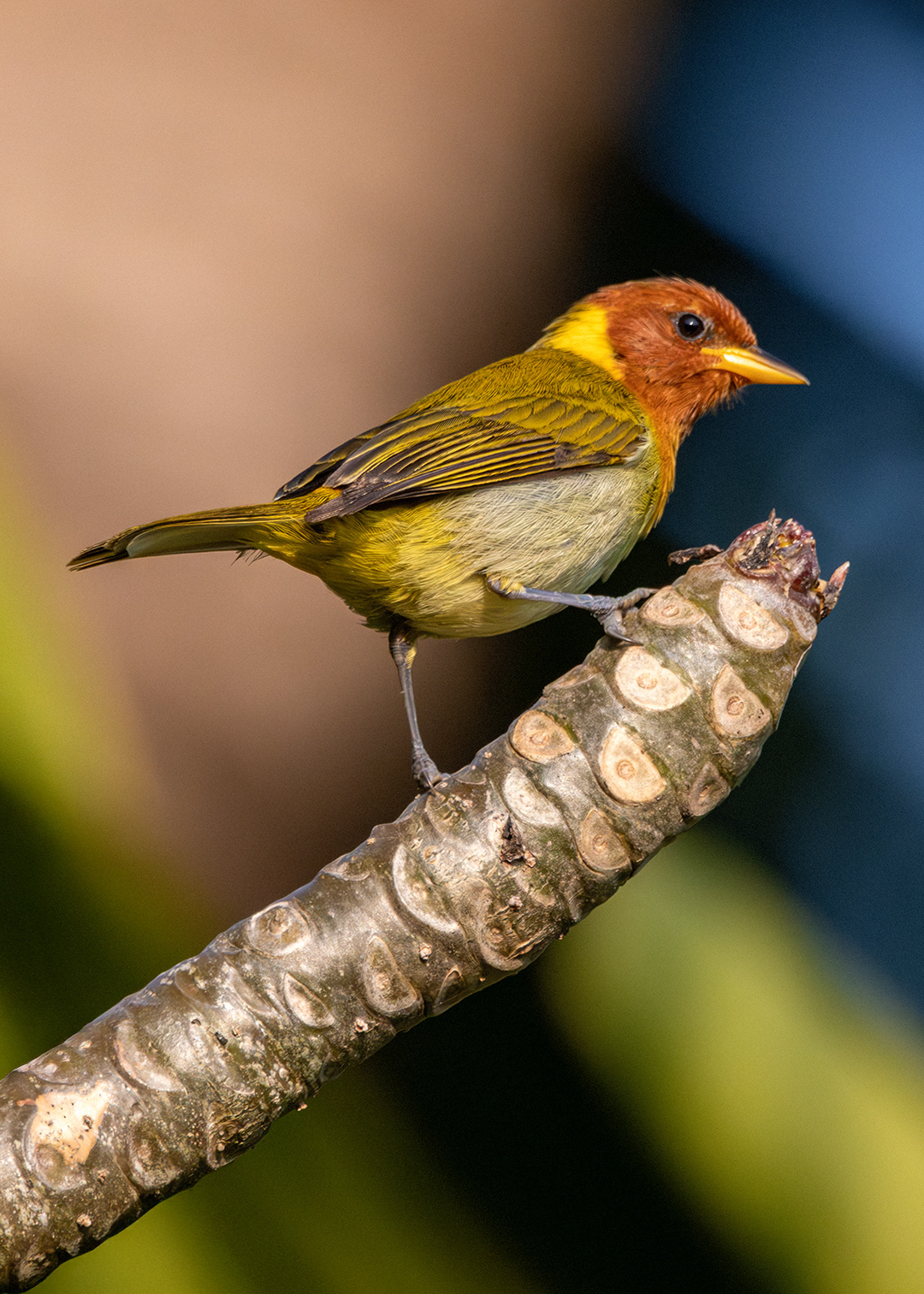
Saíra-ferrugem ♂ (Hemithraupis ruficapilla)
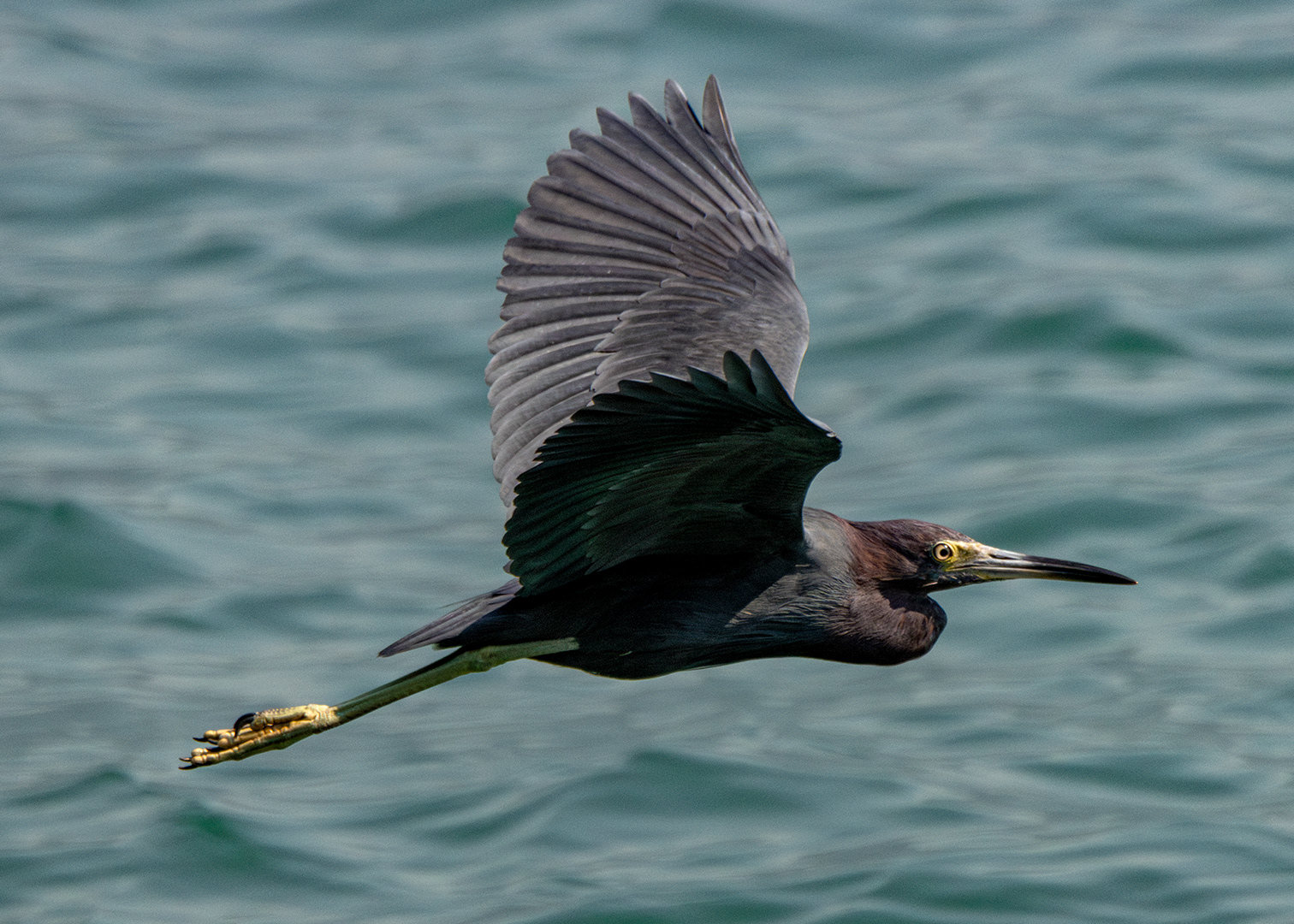
Garça-azul (Egretta caerulea)
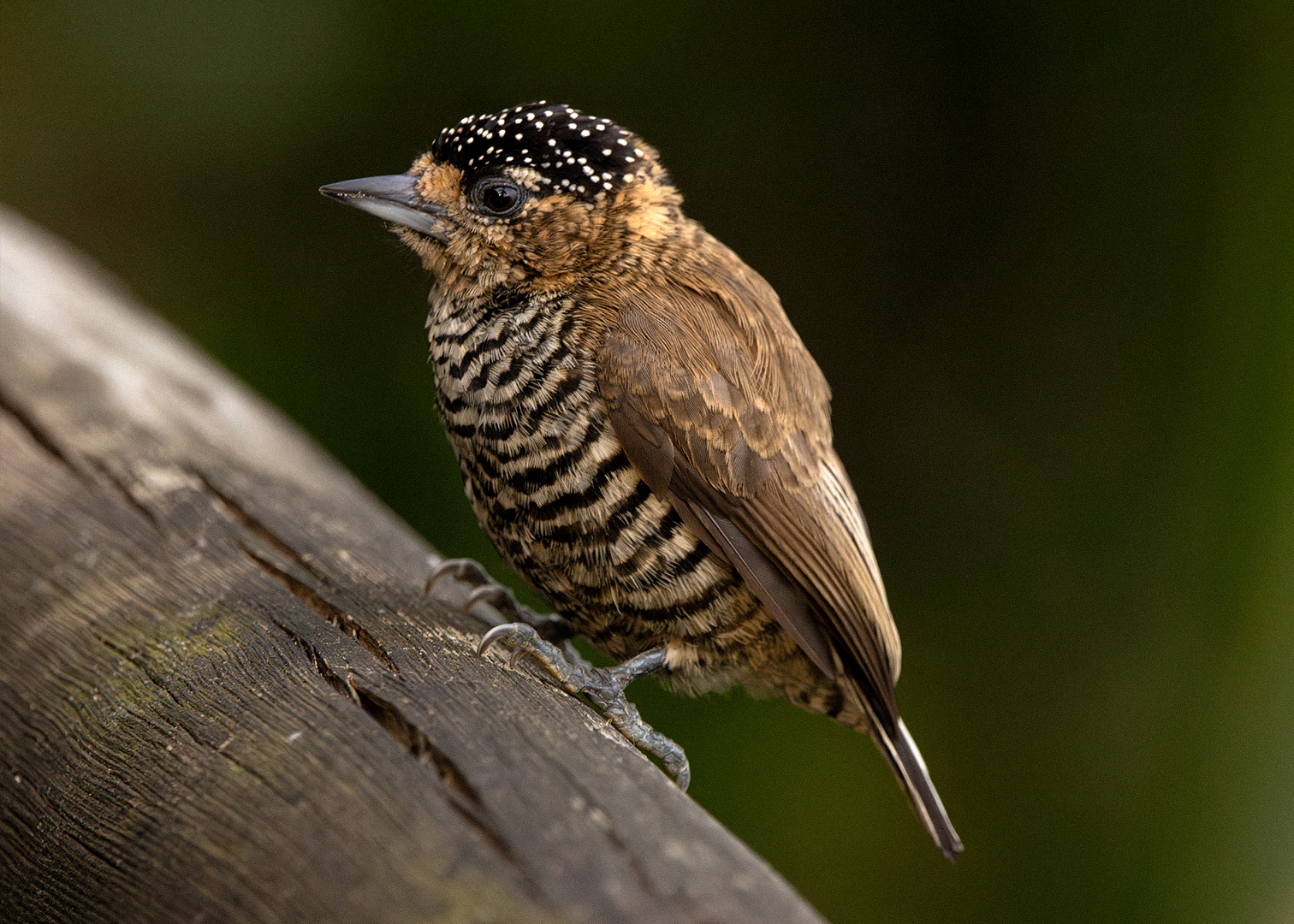
Picapauzinho-de-coleira ♀ (Picumnus temminckii)
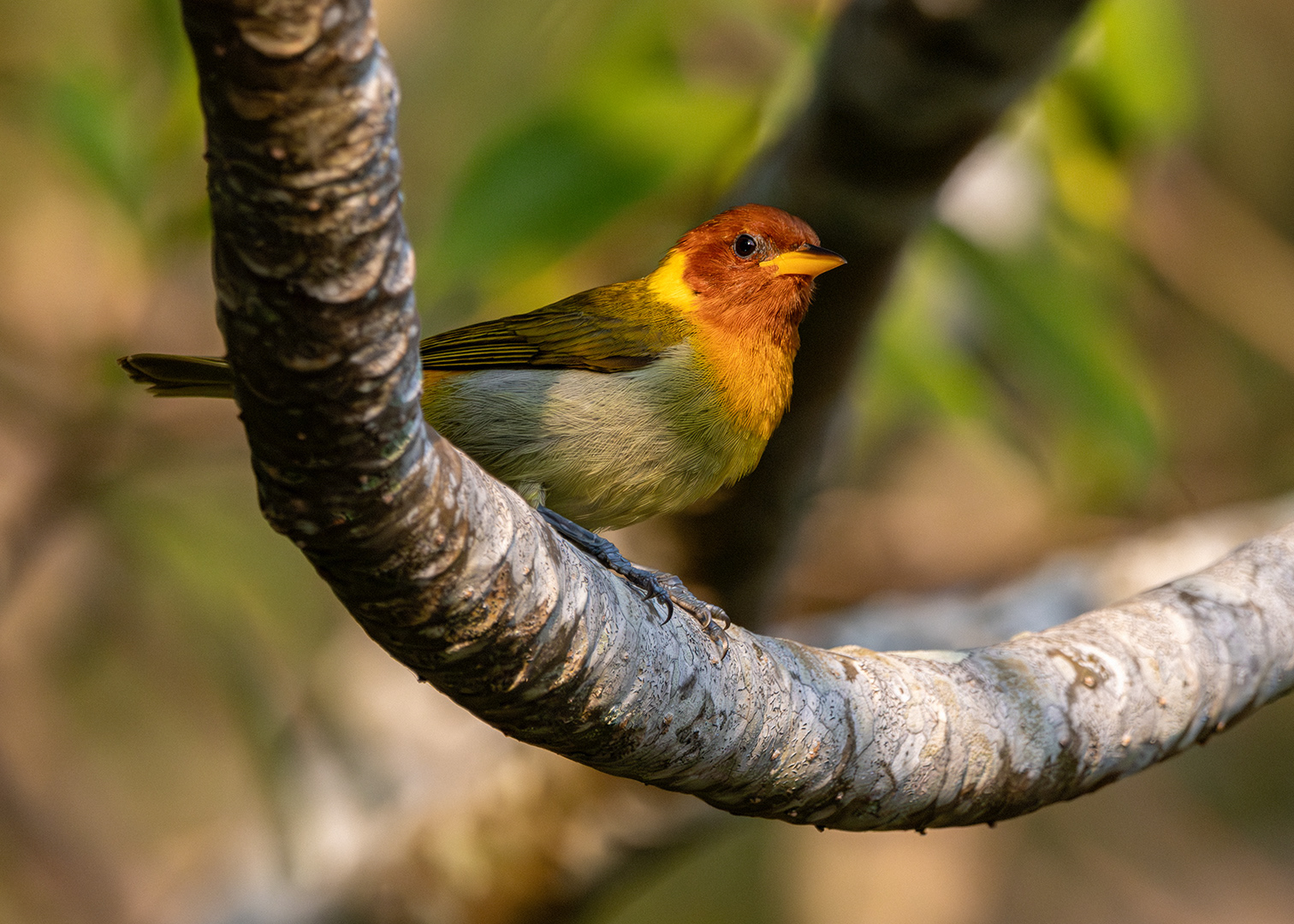
Saíra-ferrugem ♂ (Hemithraupis ruficapilla)
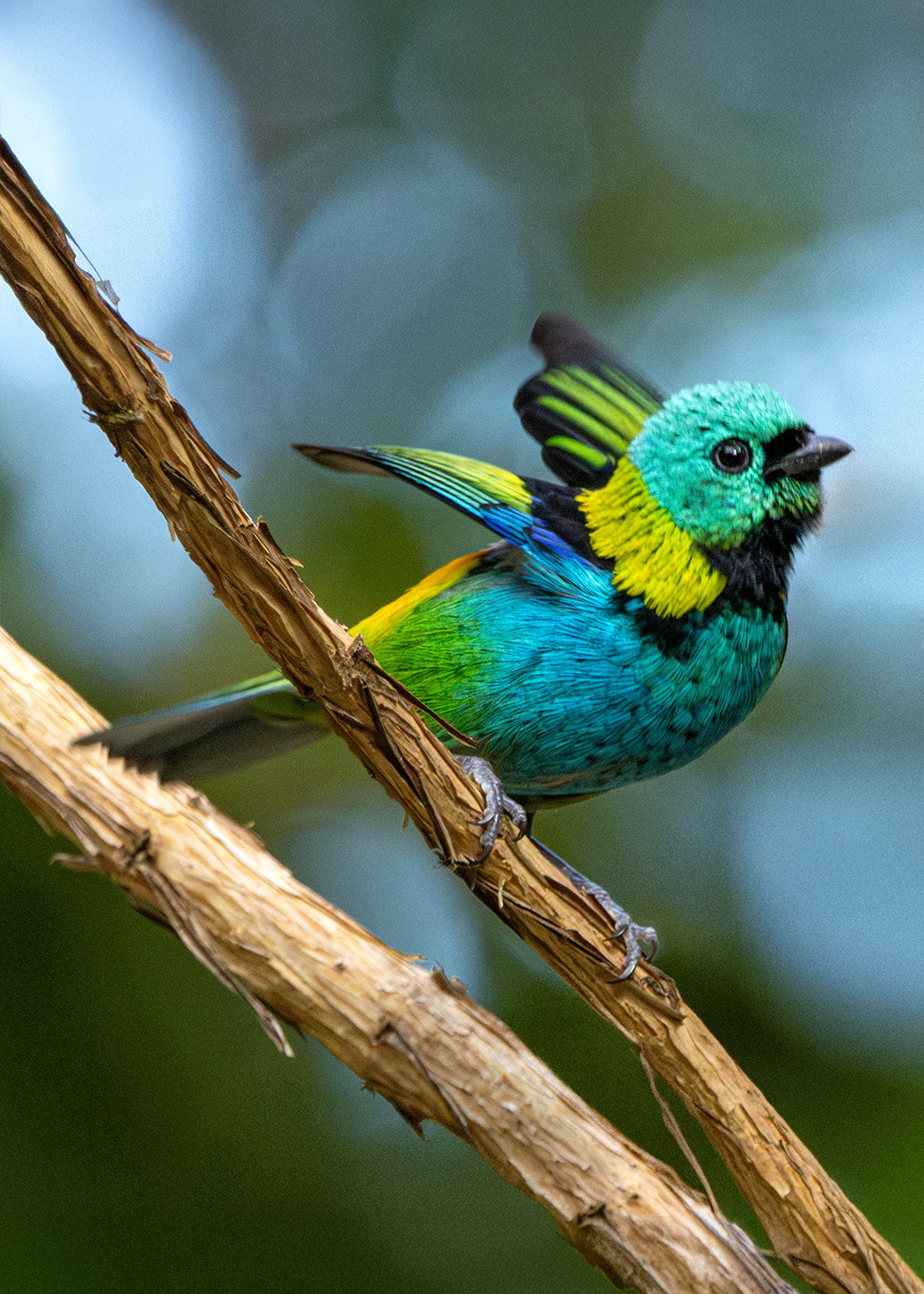
Saíra-sete-cores (Tangara seledon)
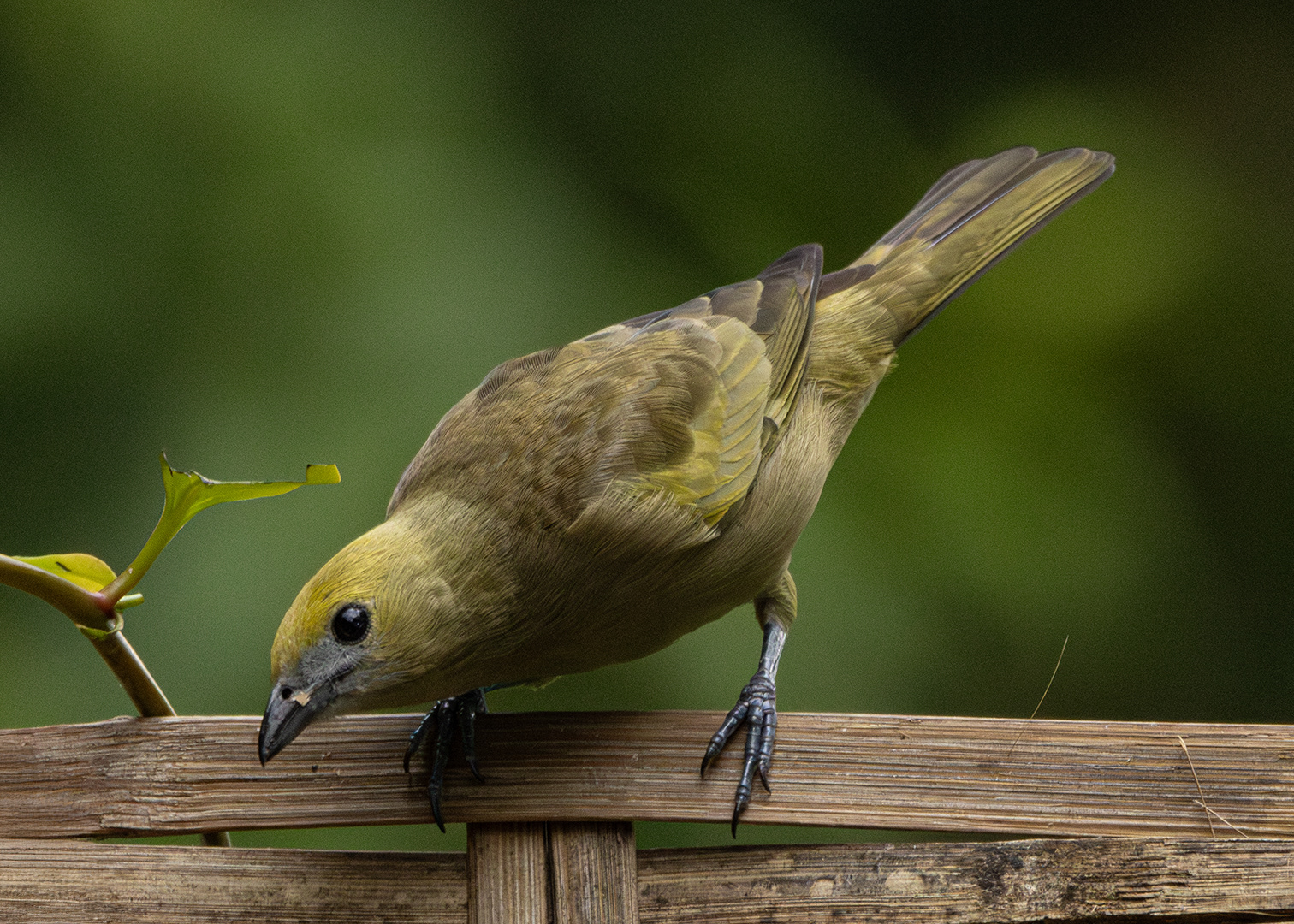
Sanhaço-do-coqueiro (Thraupis palmarum)
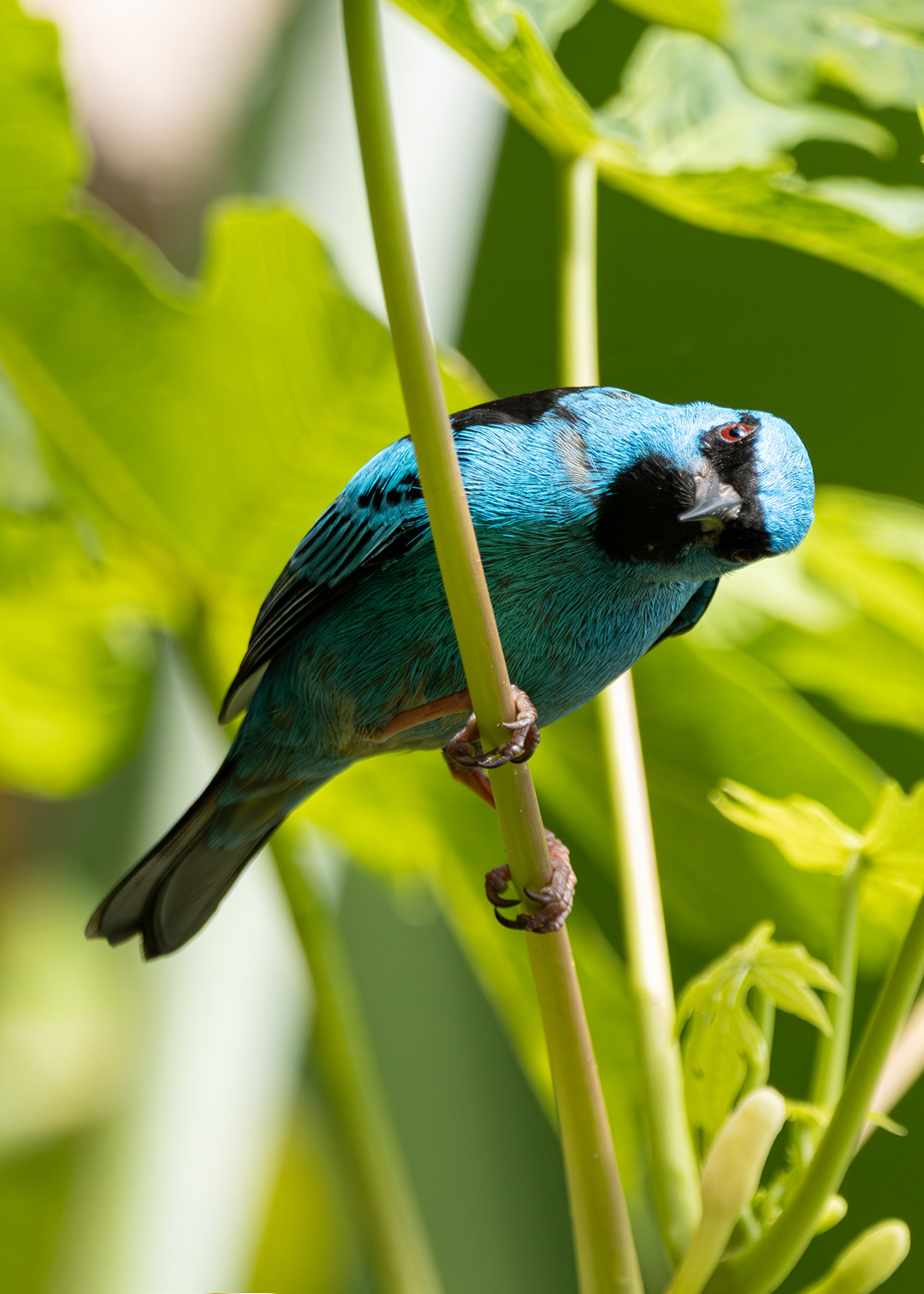
Saí-azul ♂ (Dacnis cayana)
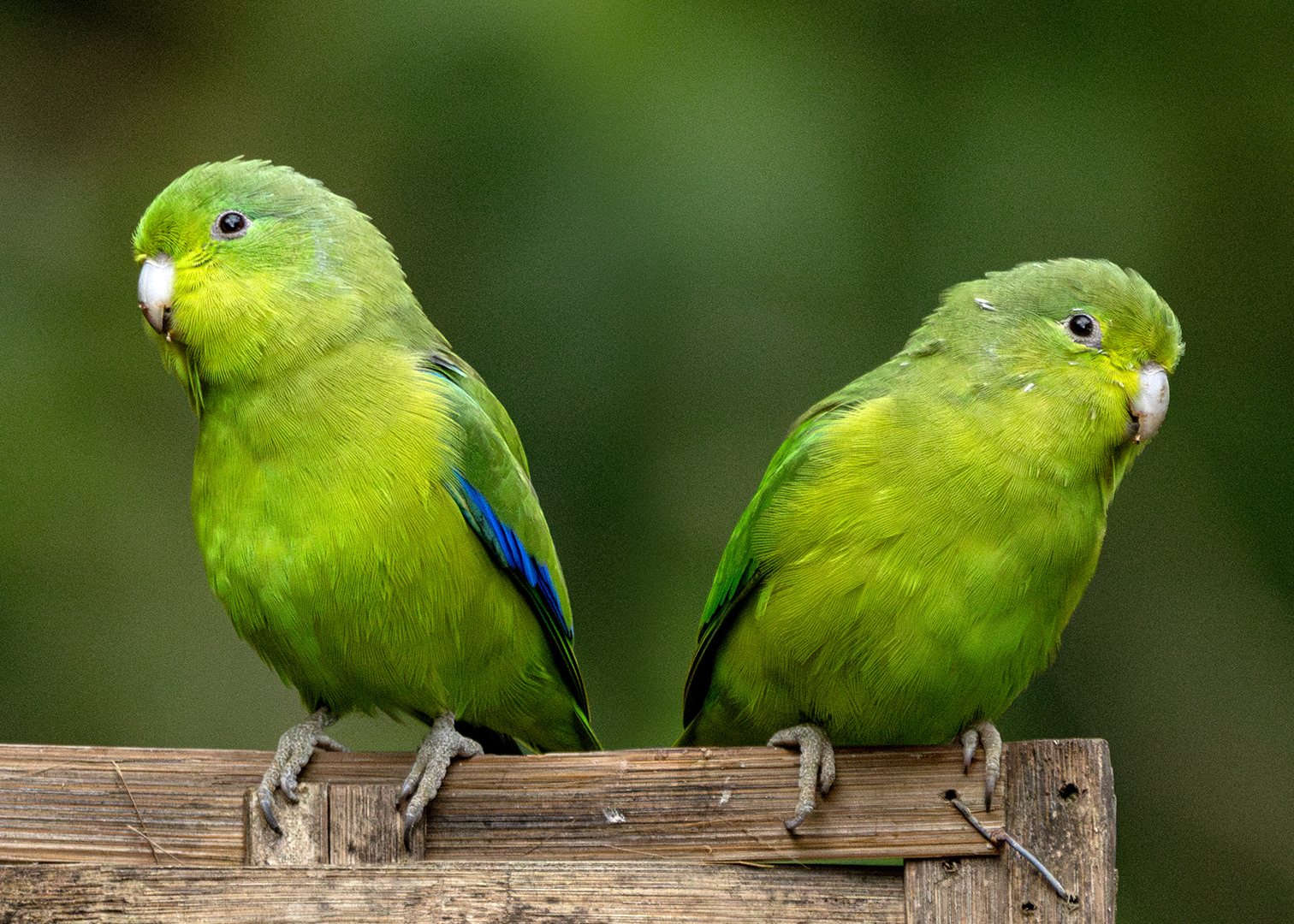
Tuim (Forpus xanthopterygius)
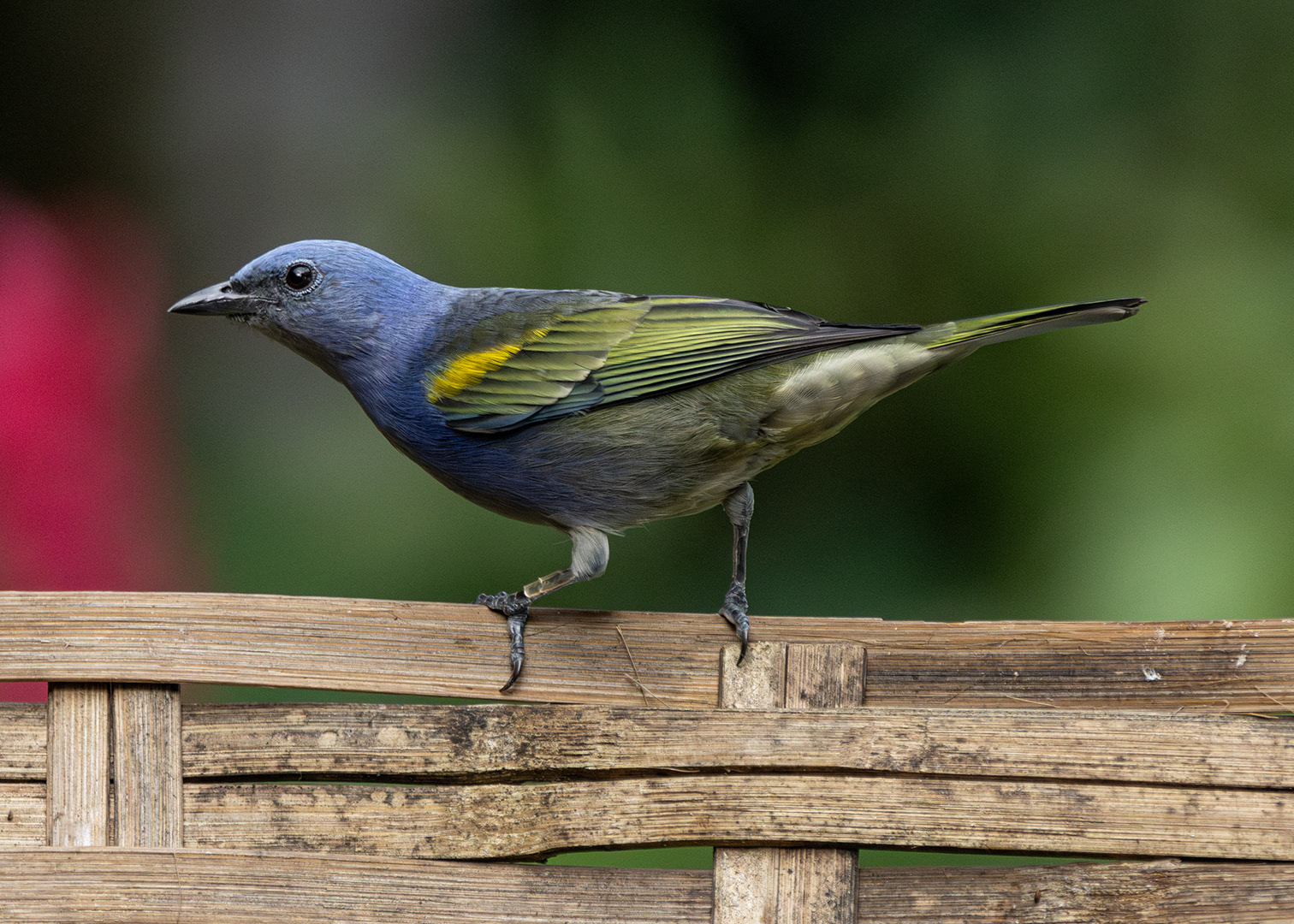
Sanhaço-de-encontro-amarelo (Thraupis ornata)
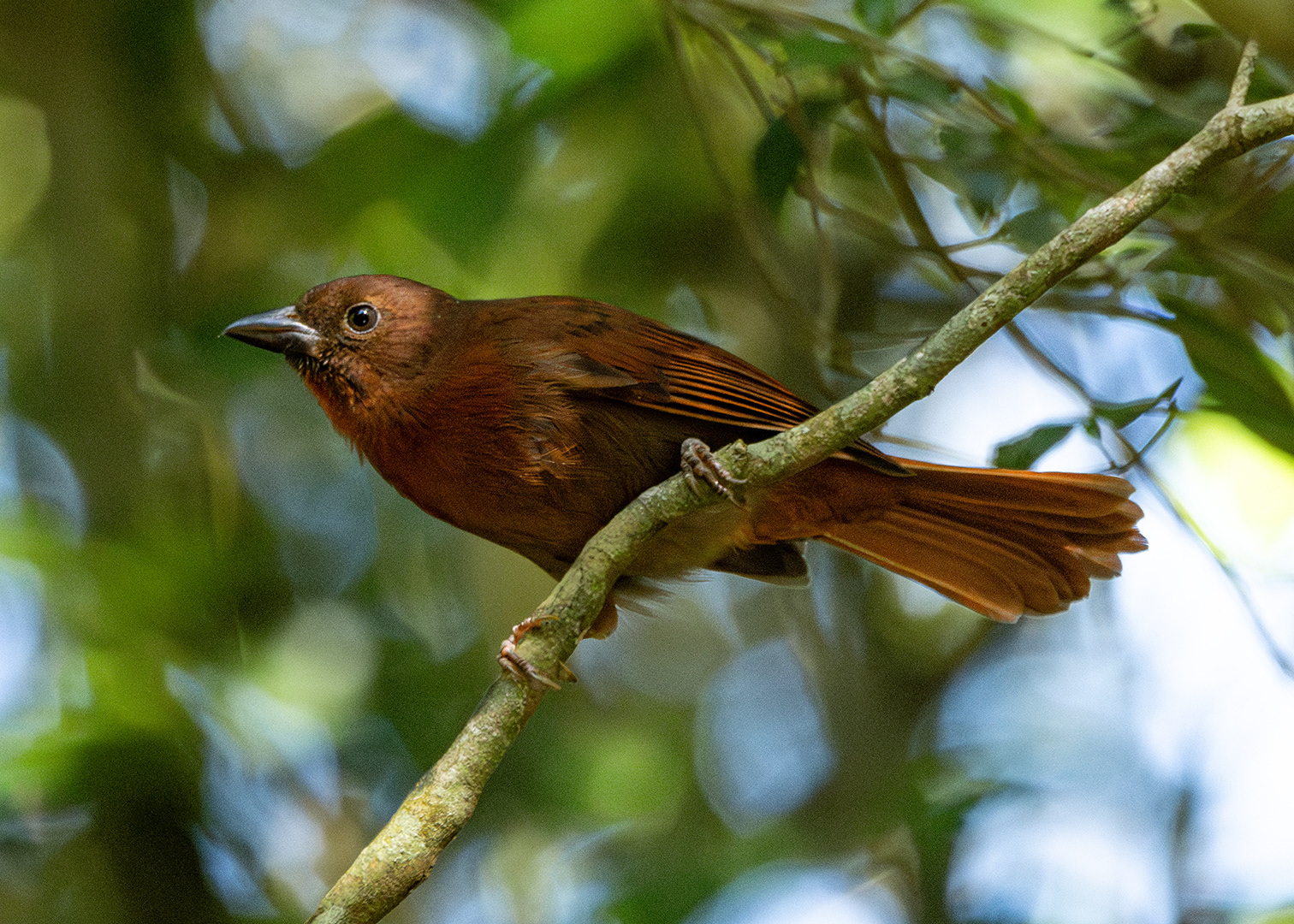
Tiê-de-bando (Habia rubica)
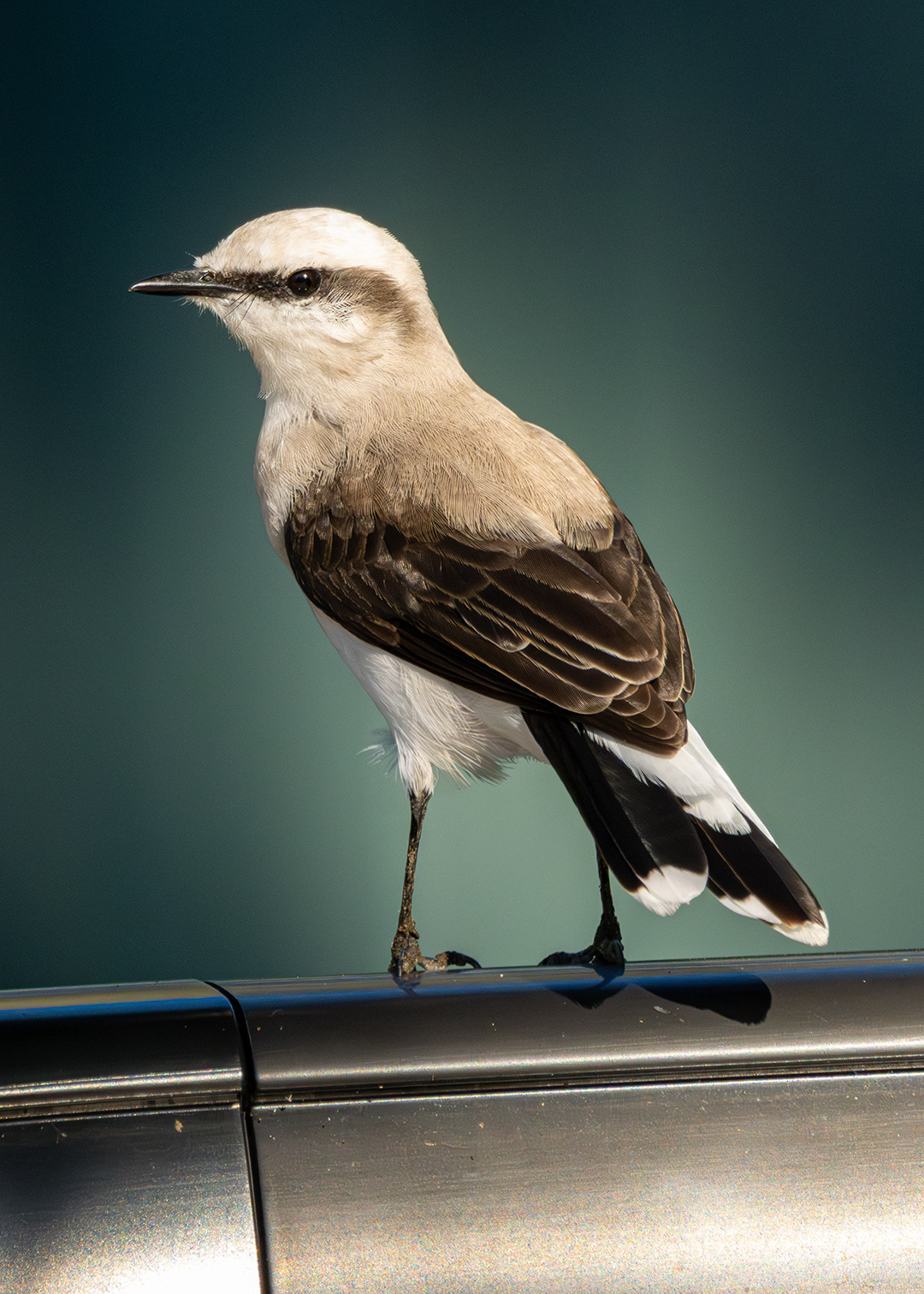
Lavadeira-mascarada (Fluvicola nengeta)
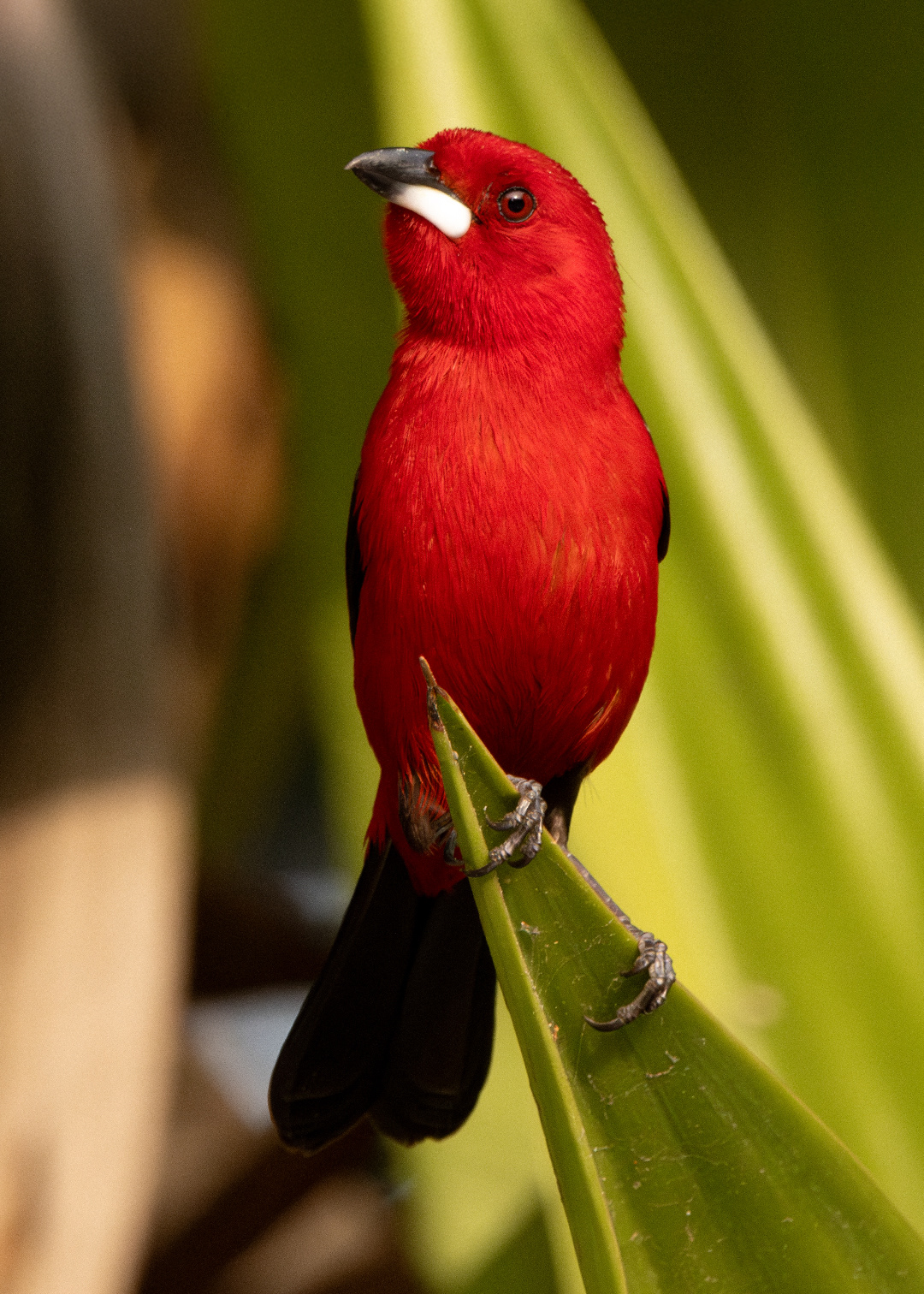
Tiê-sangue ♂ (Ramphocelus bresilia)
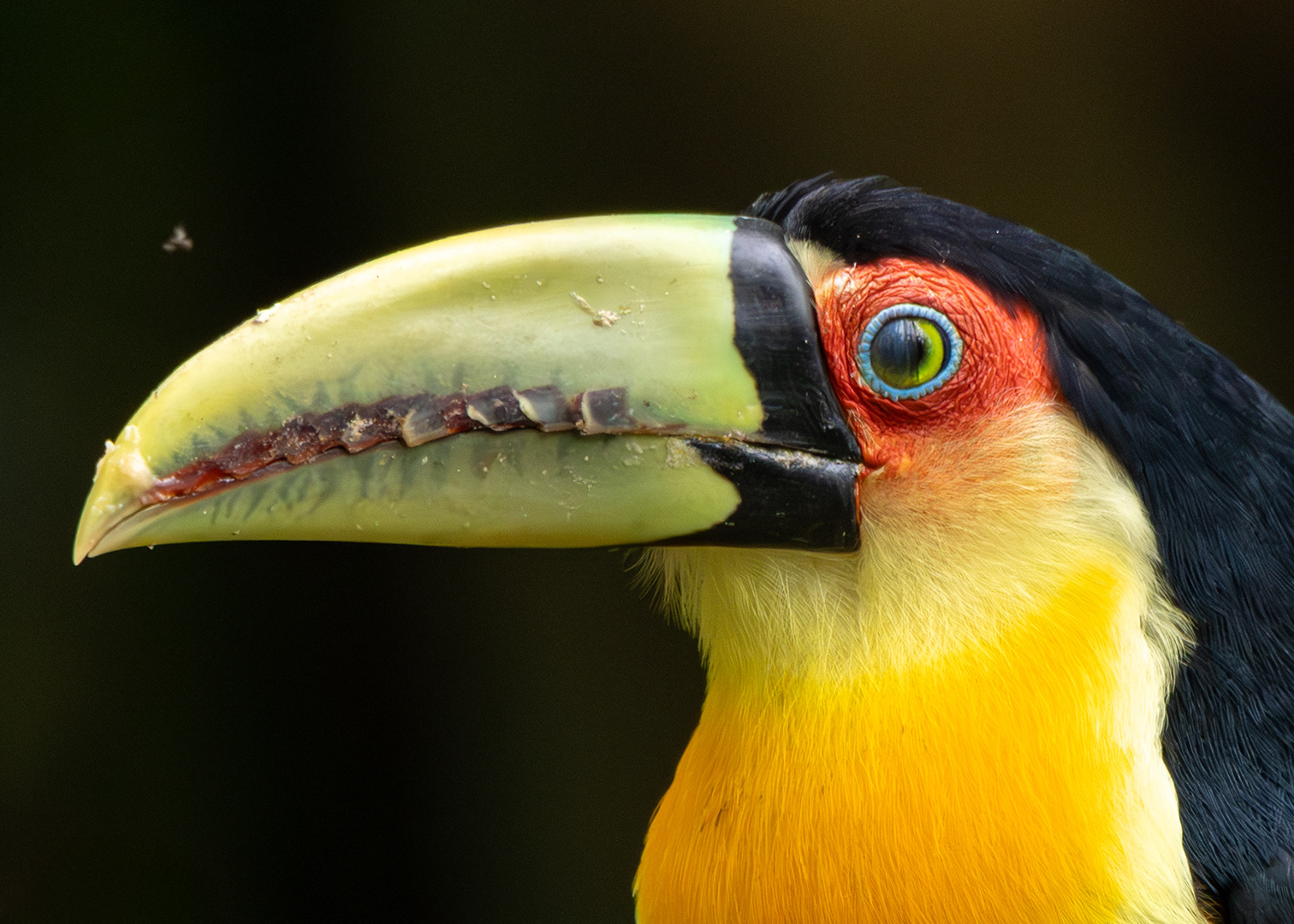
Tucano-de-bico-verde (Ramphastos dicolorus)
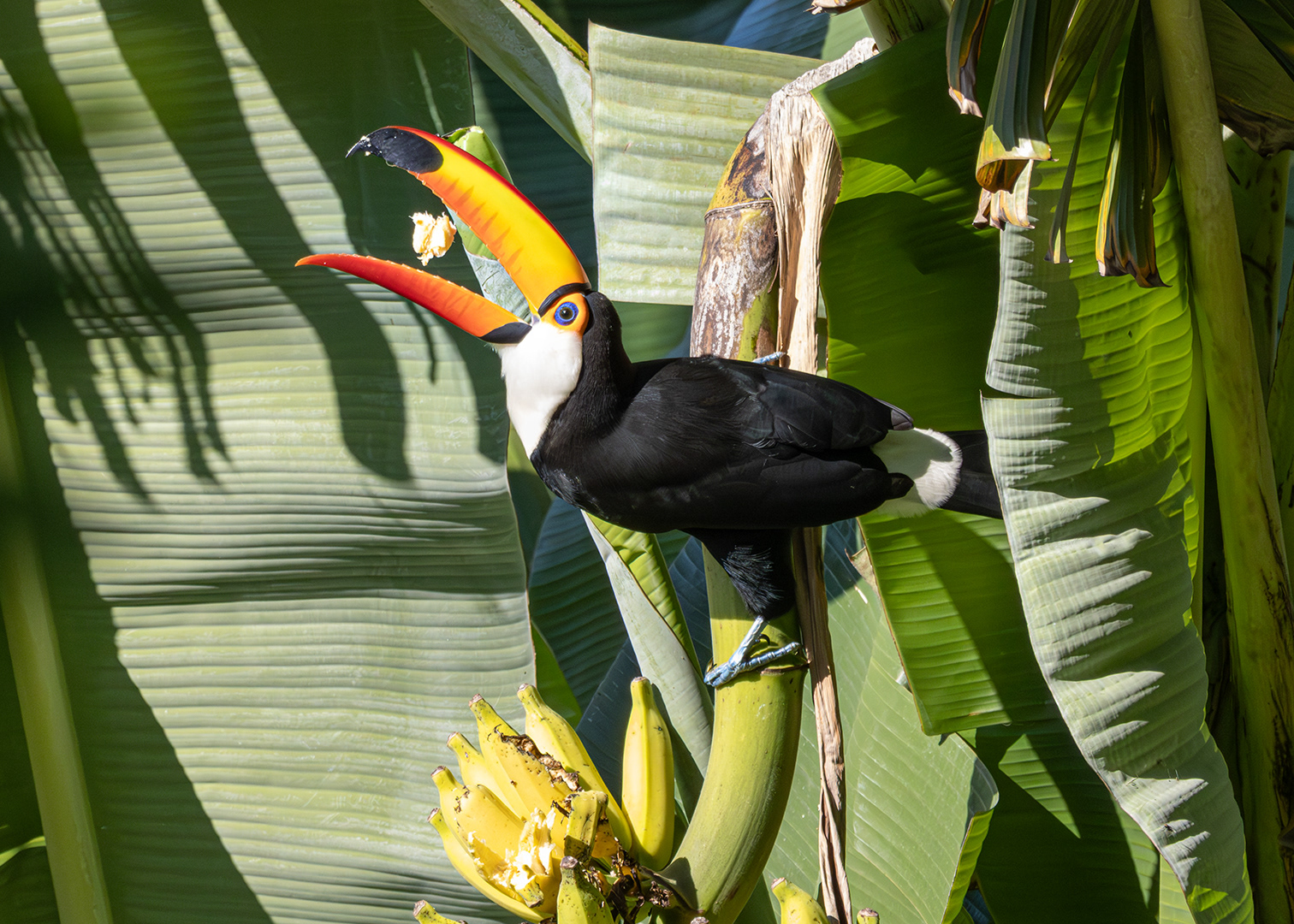
Tucanuçu (Ramphastos toco)
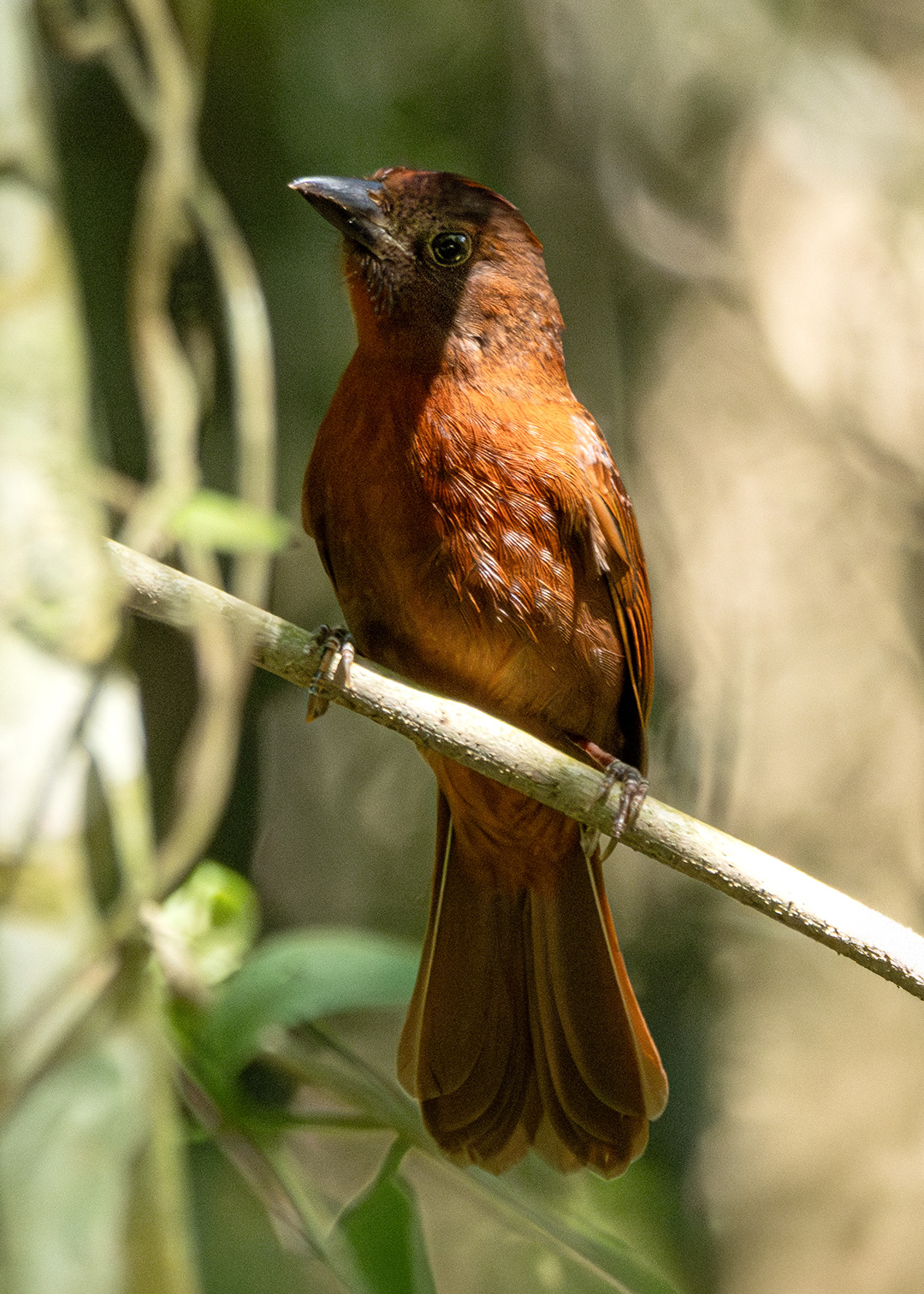
Tiê-de-bando (Habia rubica)
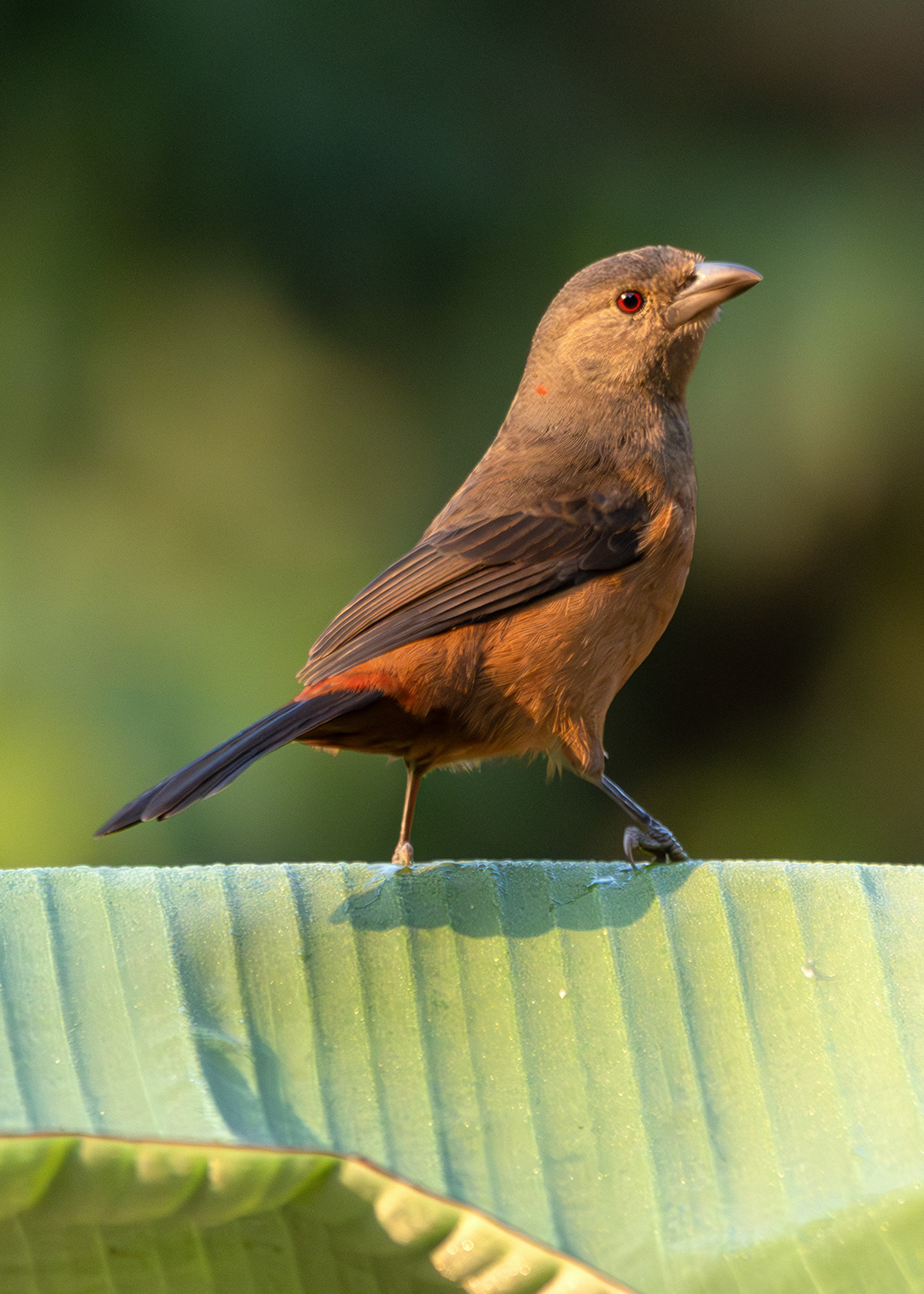
Tiê-sangue (Ramphocelus bresilia)
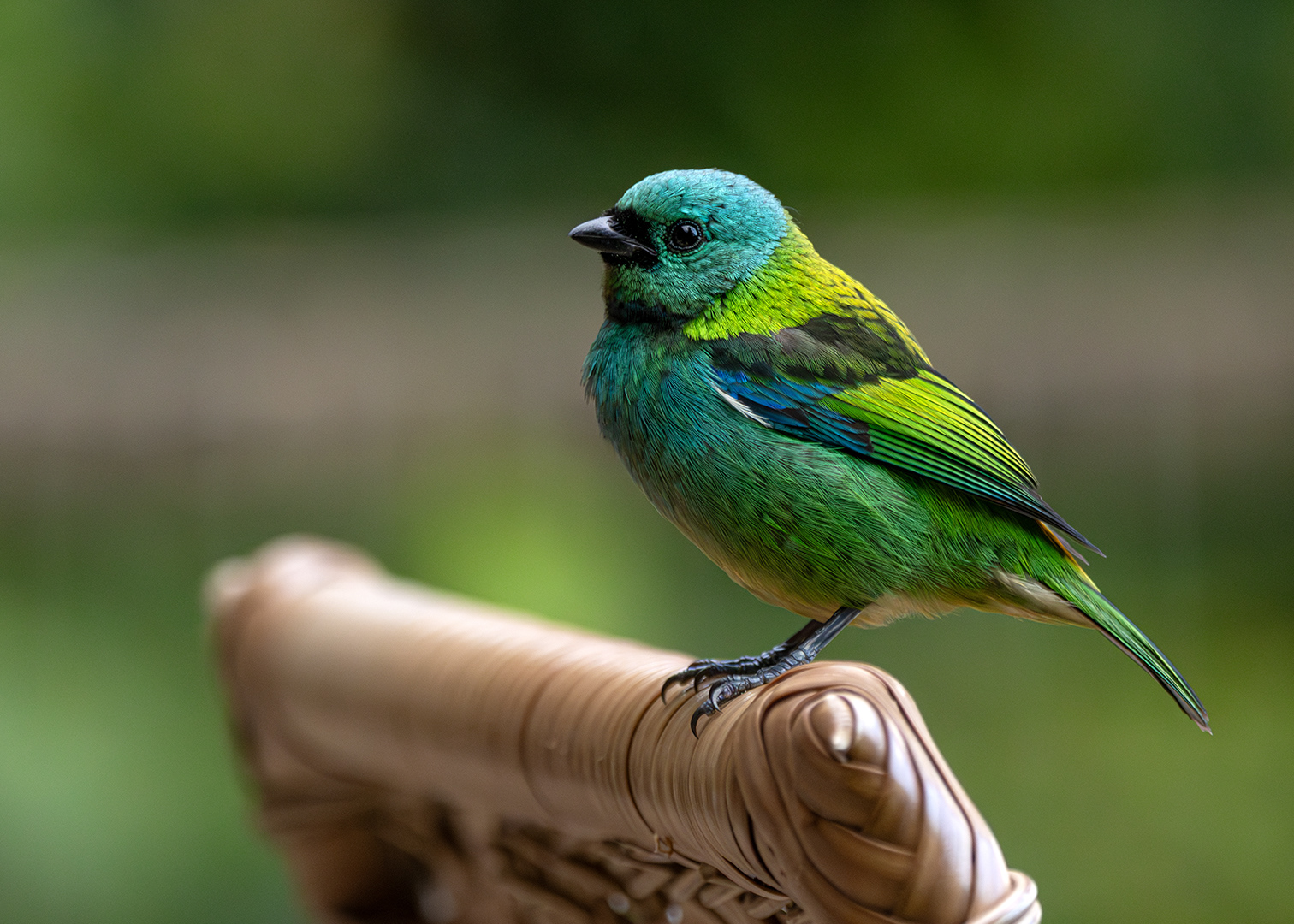
Saíra-sete-cores (Tangara seledon)