Em agosto de 2025, fui conhecer melhor a Caatinga, o único bioma exclusivamente brasileiro. Muito além do estereótipo comum entre os desavisados do Sul e do Sudeste do país, não é um lugar que se resume à seca e à fome: a Caatinga - a "mata branca" na língua tupi (referência à coloração que as folhas da vegetação adquirem na época seca) - é um bioma muito rico e diverso, com paisagens deslumbrantes e pessoas admiráveis.
O sonho de encontrar e fotografar uma das espécies mais icônicas e exclusivas do Brasil, descoberta em 1996, o soldadinho-do-araripe, era antigo. A partir dessa vontade, reuni os amigos observadores Letícia, Paulo (@paulinhovbrito) e Aldo (@aldonascimentocruz), além da minha companheira Lívia (@liviamedeiros____), para irmos procurá-los na Chapada do Araripe, no Ceará. Mas por que não aproveitar para conhecer mais daqueles cantos do país?
Partimos, então, em uma expedição que passou por três estados do Nordeste brasileiro - Ceará, Pernambuco e Bahia - através de paisagens de beleza cênica e vilarejos fascinantes. Tivemos a oportunidade de ver espécies ameaçadas e protegidas por iniciativas fundamentais, como o Projeto Cara-Suja da Aquasis (@carasuja_aquasis), em Guaramiranga (CE), dedicado a essa espécie de psitacídeo que quase desapareceu na natureza e vem se recuperando muito bem na região da Serra de Baturité; a Estação Biológica de Canudos, um refúgio para as também quase extintas araras-azuis-de-lear, ou araras-azuis-da-caatinga (nome popular de que gosto mais), mantida pela Fundação Biodiversitas (@fundacaobiodiversitas); e, logicamente, o Oásis Araripe da Aquasis (@oasisararipe_aquasis), que promove pesquisas e esforços de preservação do já citado soldadinho-do-araripe. Além de tudo isso, conhecemos um lugar belíssimo dedicado à preservação de uma área da Caatinga de Potengi, no Ceará, o Sítio Pau Preto (@sitiopaupreto), cujo proprietário, Jefferson Bob (@bobptg), é um conhecedor apaixonado das dinâmicas ecológicas desse bioma incrível.
Foi uma expedição inesquecível!
🇬🇧 Chants & Charms Expedition
In August 2025, I set out to better explore the Caatinga, Brazil's only exclusively endemic biome. Far beyond the common stereotypes held by those unfamiliar with it in the South and Southeast of the country, it is not a place defined solely by drought and hardship. The Caatinga - "white forest" in the Tupi language (a reference to the color the vegetation takes on during the dry season) - is a remarkably rich and diverse biome, home to breathtaking landscapes and admirable people.
I had long dreamed of finding and photographing one of Brazil’s most iconic and exclusive species, discovered in 1996: the Araripe Manakin (soldadinho-do-araripe). Driven by this goal, I gathered fellow birdwatchers Letícia, Paulo (@paulinhovbrito), and Aldo (@aldonascimentocruz), along with my partner Lívia (@liviamedeiros____), to search for them in the Araripe Plateau (Chapada do Araripe), in Ceará. But why not take the opportunity to see more of those corners of the country?
We set off on an expedition through three Northeastern states - Ceará, Pernambuco, and Bahia - traversing scenic landscapes and fascinating villages. We had the chance to see endangered species protected by vital initiatives, such as Aquasis’ Grey-breasted Parakeet Project (@carasuja_aquasis) in Guaramiranga (CE), dedicated to a parrot species that nearly vanished from the wild and is now recovering well in the Serra de Baturité region; the Canudos Biological Station, a sanctuary for the equally rare Lear’s Macaws - or araras-azuis-da-caatinga (a local name I personally prefer) - managed by the Biodiversitas Foundation (@fundacaobiodiversitas); and, of course, Aquasis’ Araripe Oasis (@oasisararipe_aquasis), which spearheads research and conservation efforts for the aforementioned Araripe Manakin.
In addition to all this, we visited a beautiful location dedicated to preserving an area of the Caatinga in Potengi, Ceará: Sítio Pau Preto (@sitiopaupreto), whose owner, Jefferson Bob (@bobptg), is a passionate expert on the ecological dynamics of this incredible biome.
It was an unforgettable expedition!
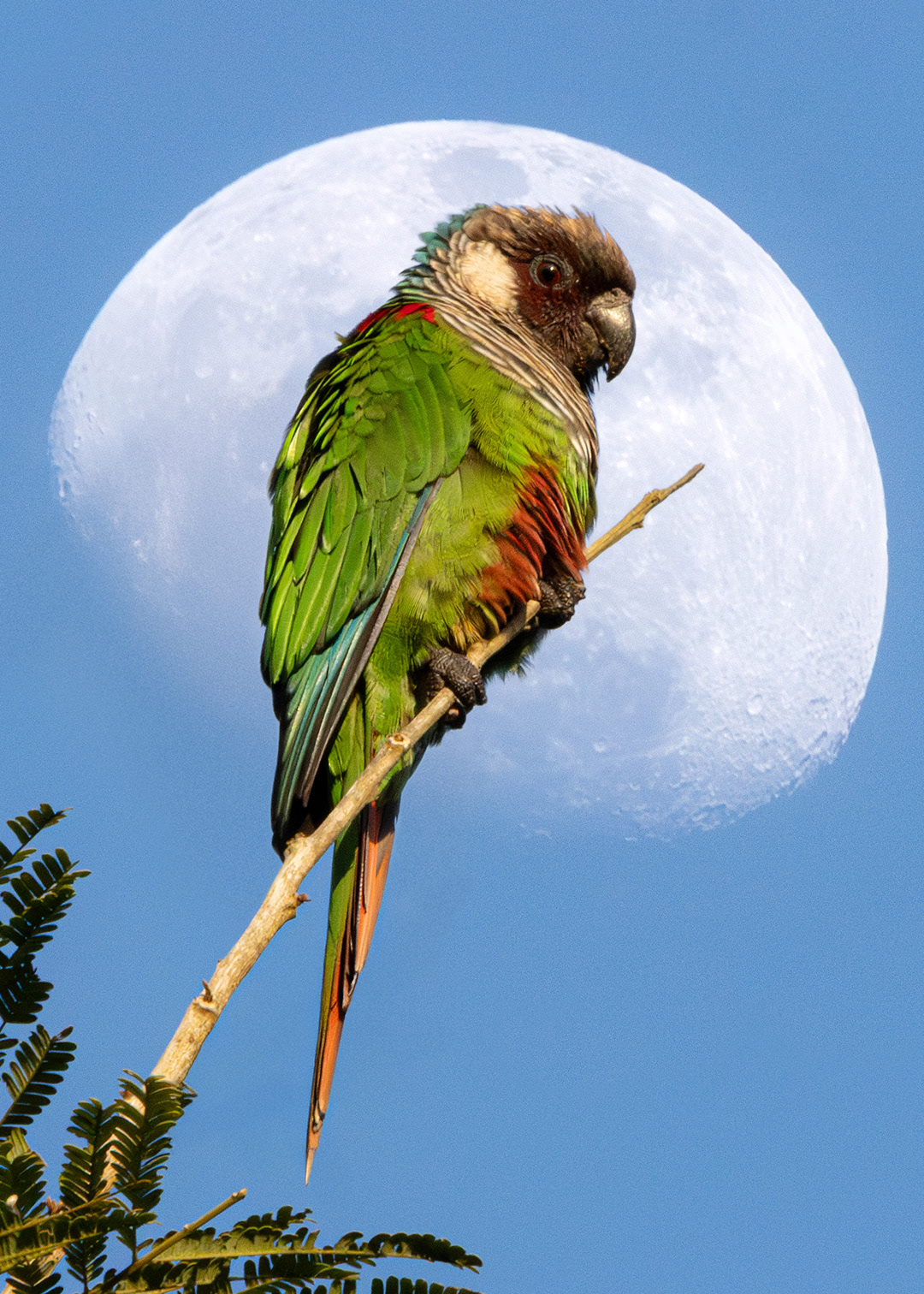
Periquito-cara-suja (Pyrrhura griseipectus)
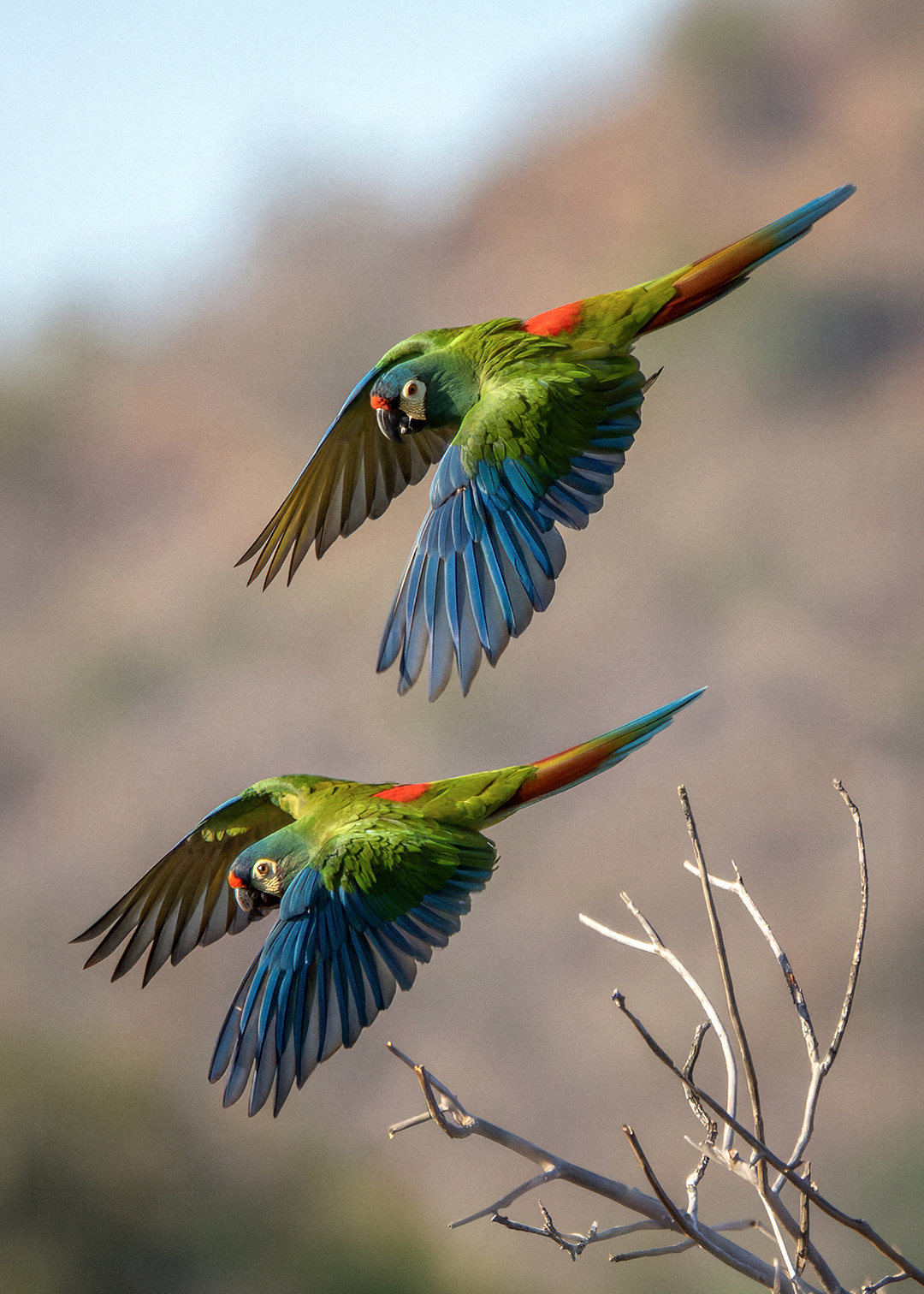
Maracanã (Primolius maracana)
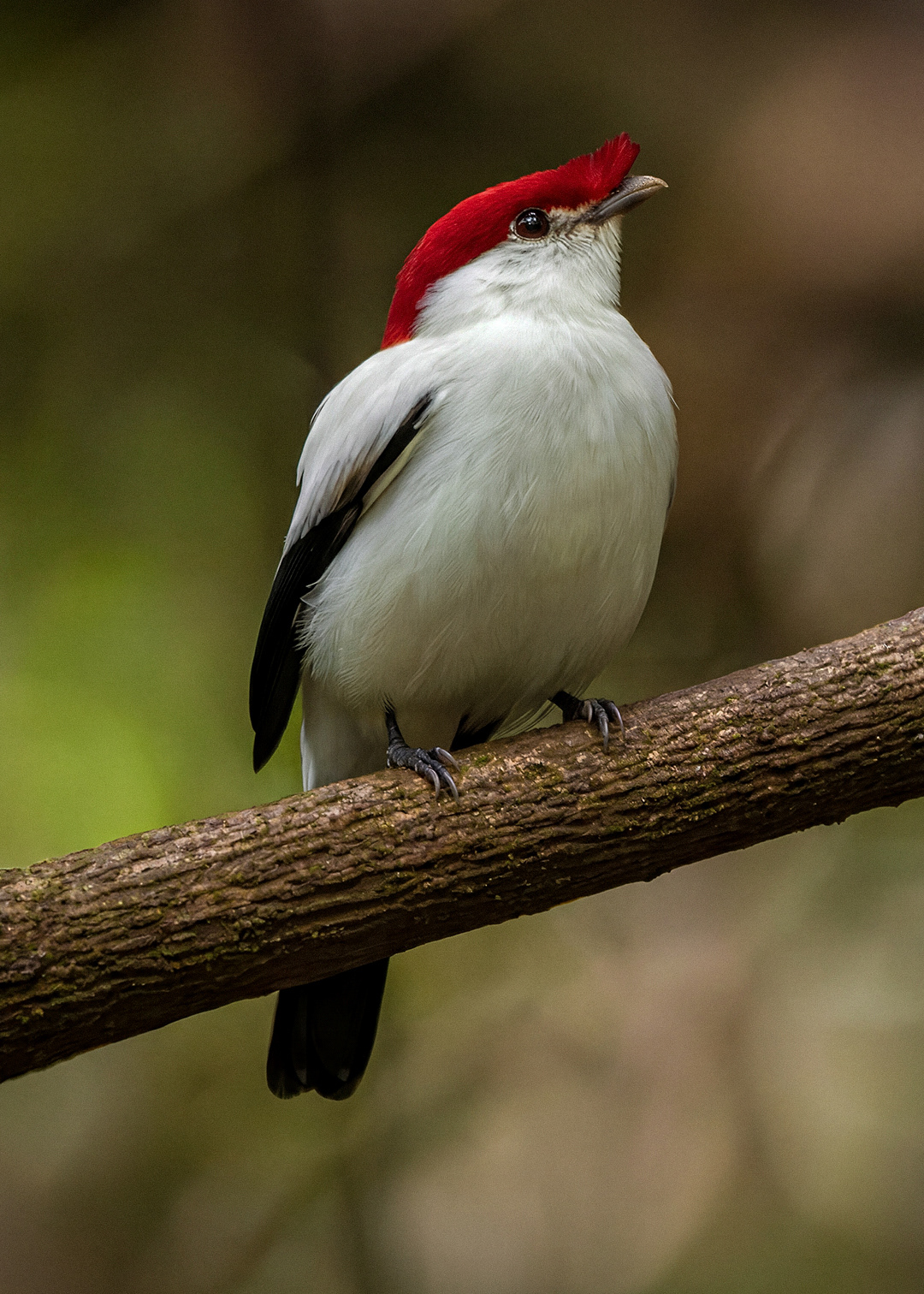
Soldadinho-do-araripe ♂ (Antilophia bokermanni)
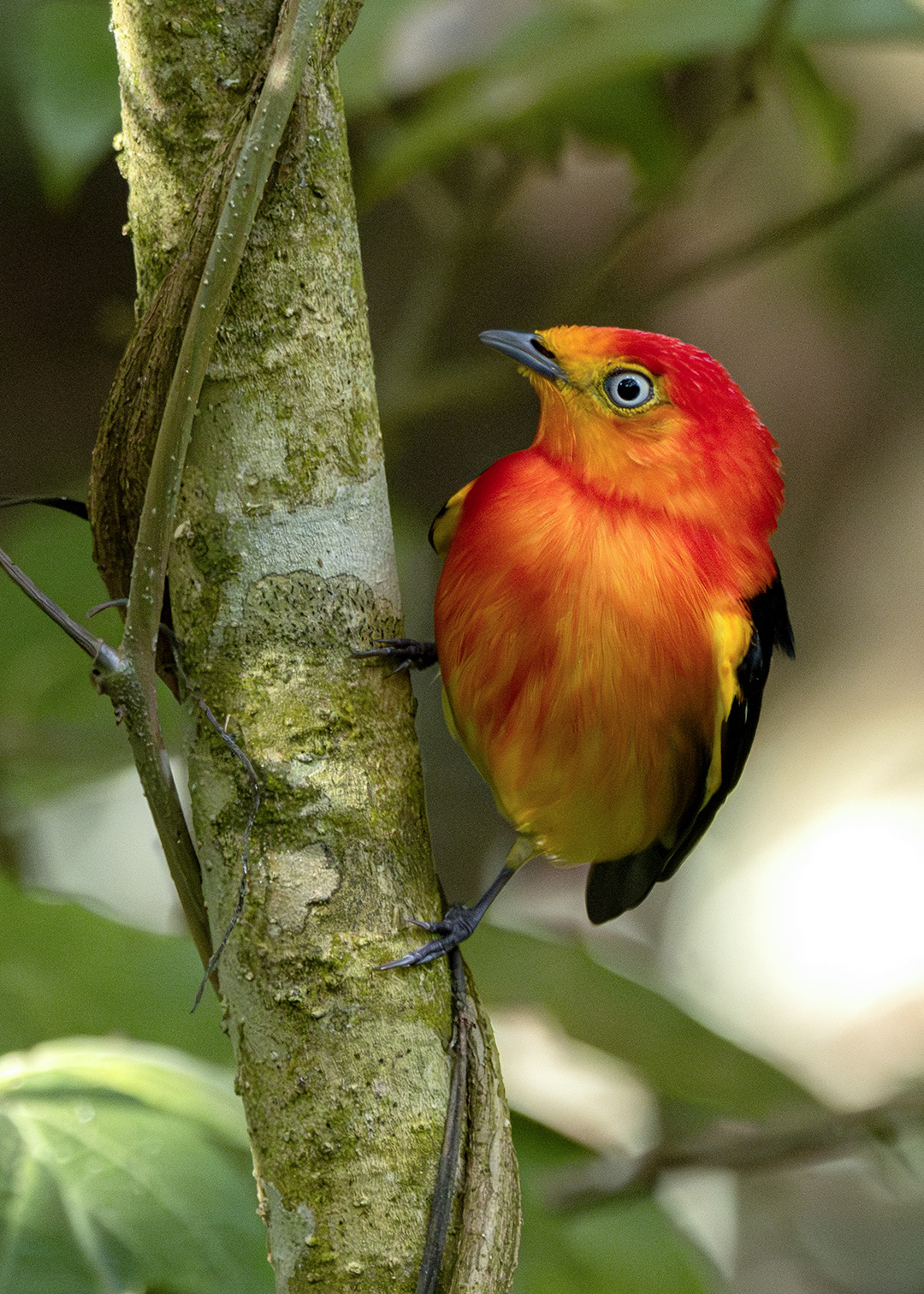
Uirapuru-laranja ♂ (Pipra fasciicauda)
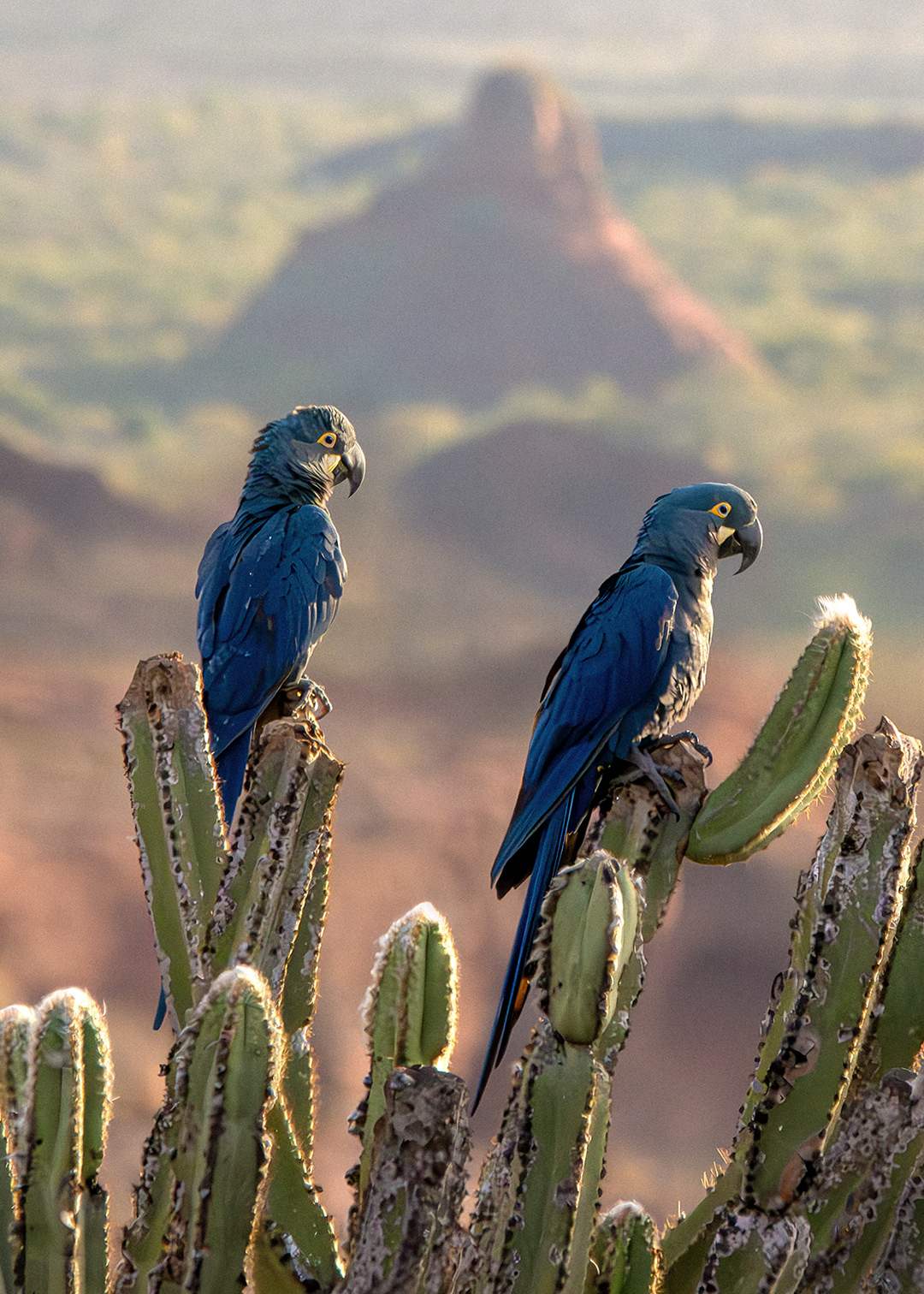
Arara-azul-da-caatinga (Anodorhynchus leari)
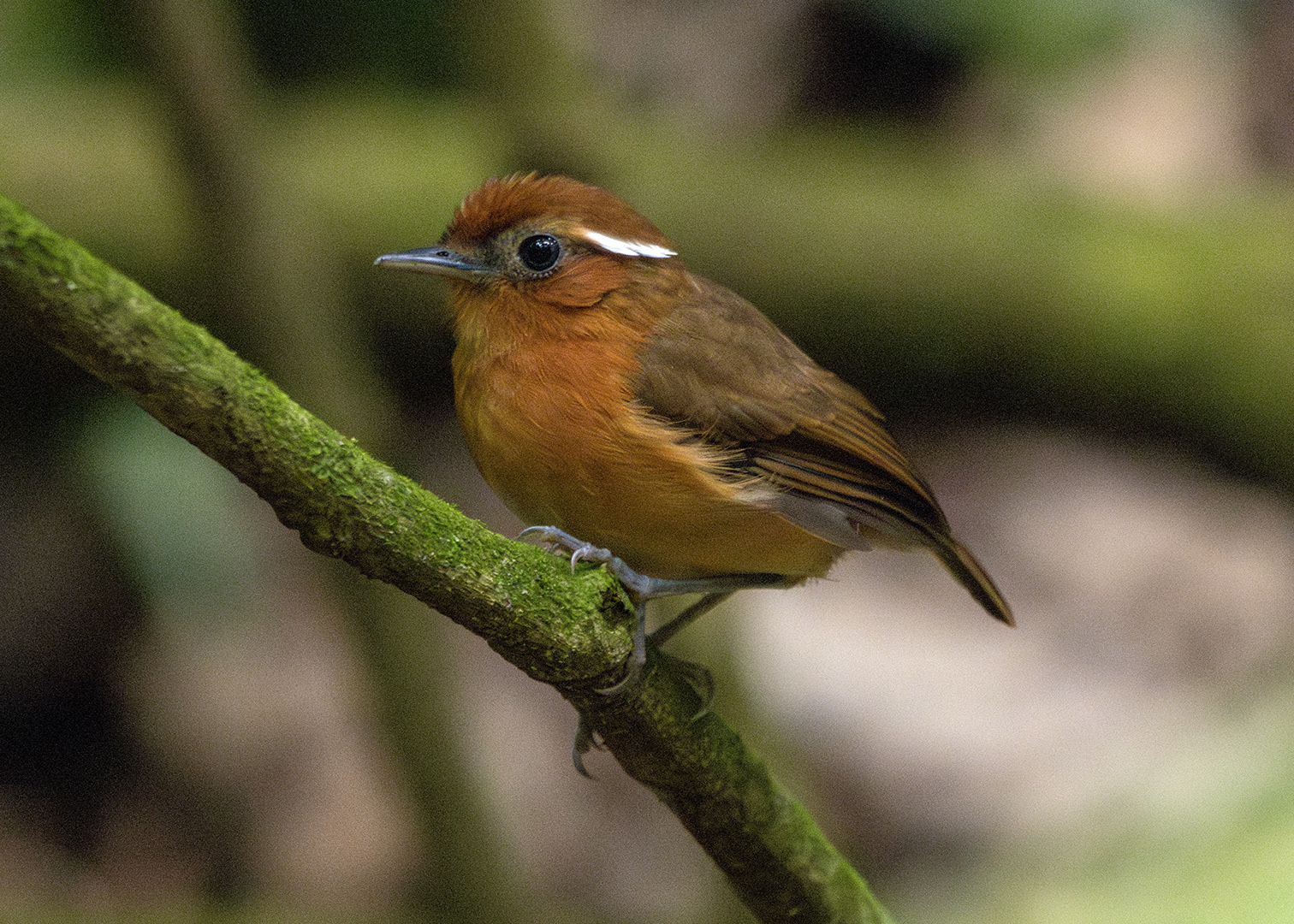
Chupa-dente-do-nordeste ♂ (Conopophaga cearae)
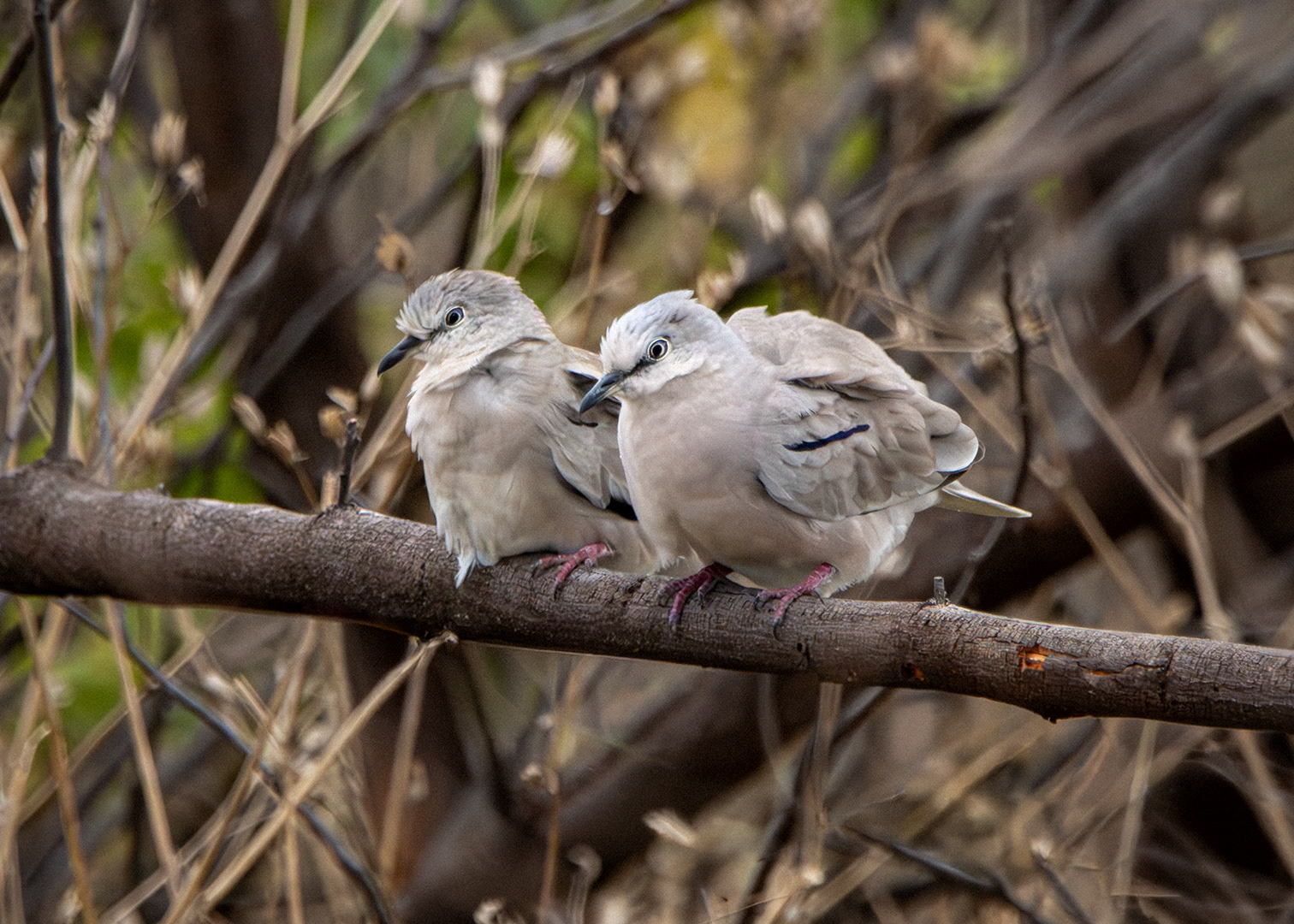
Rolinha-picuí (Columbina picui)
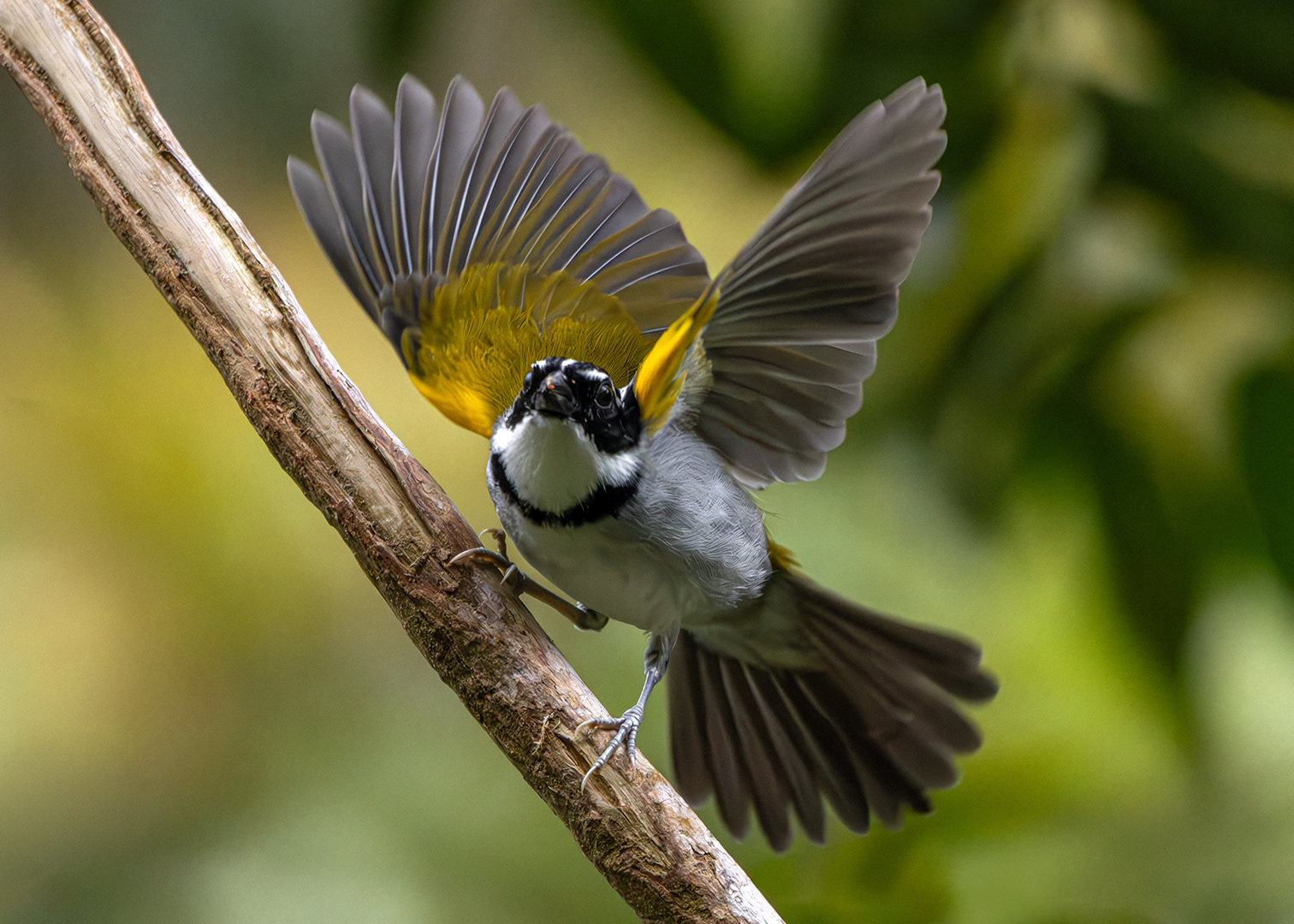
Tico-tico-de-bico-preto ♂ (Arremon taciturnus)
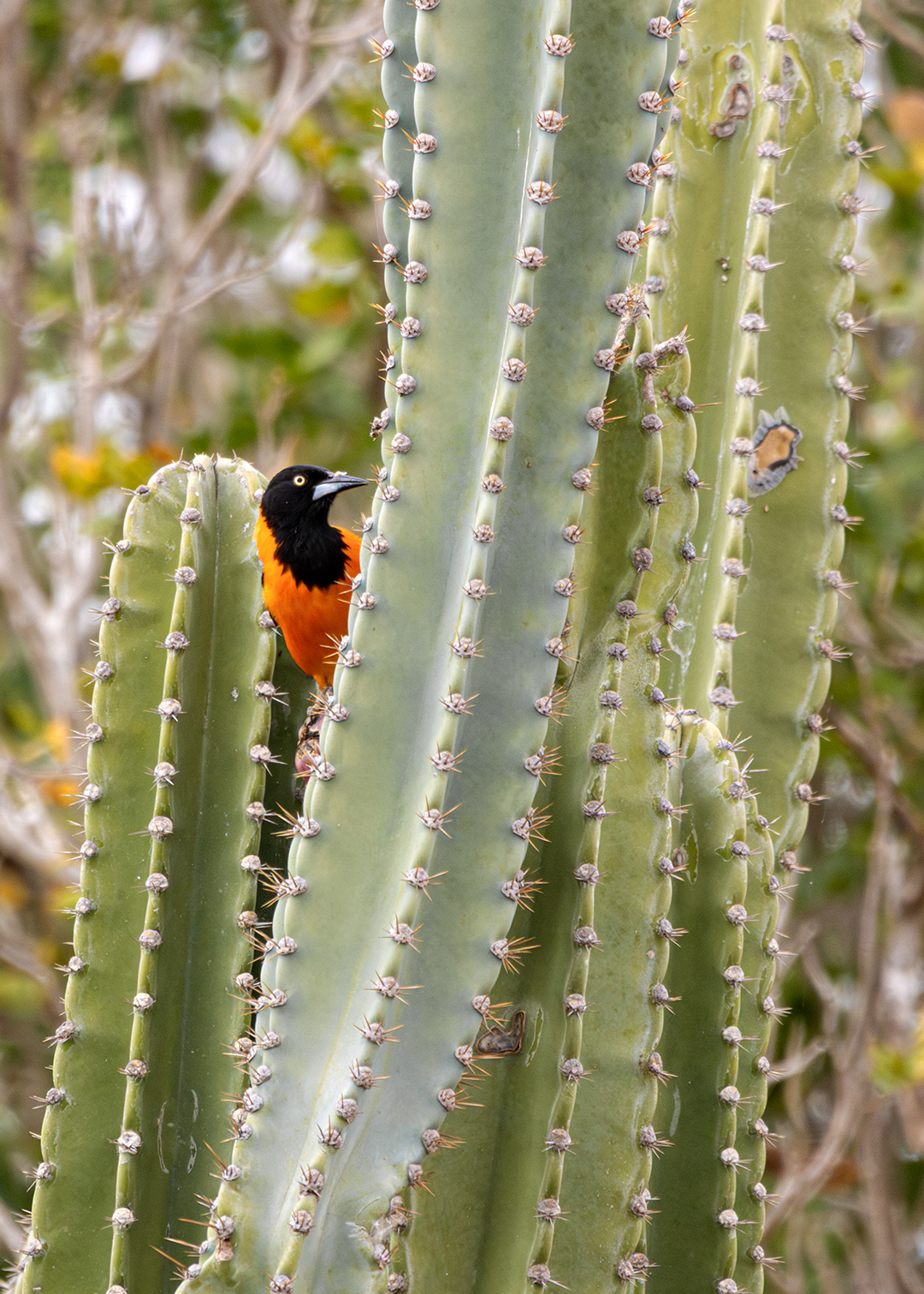
Sofreu (Icterus jamacaii)
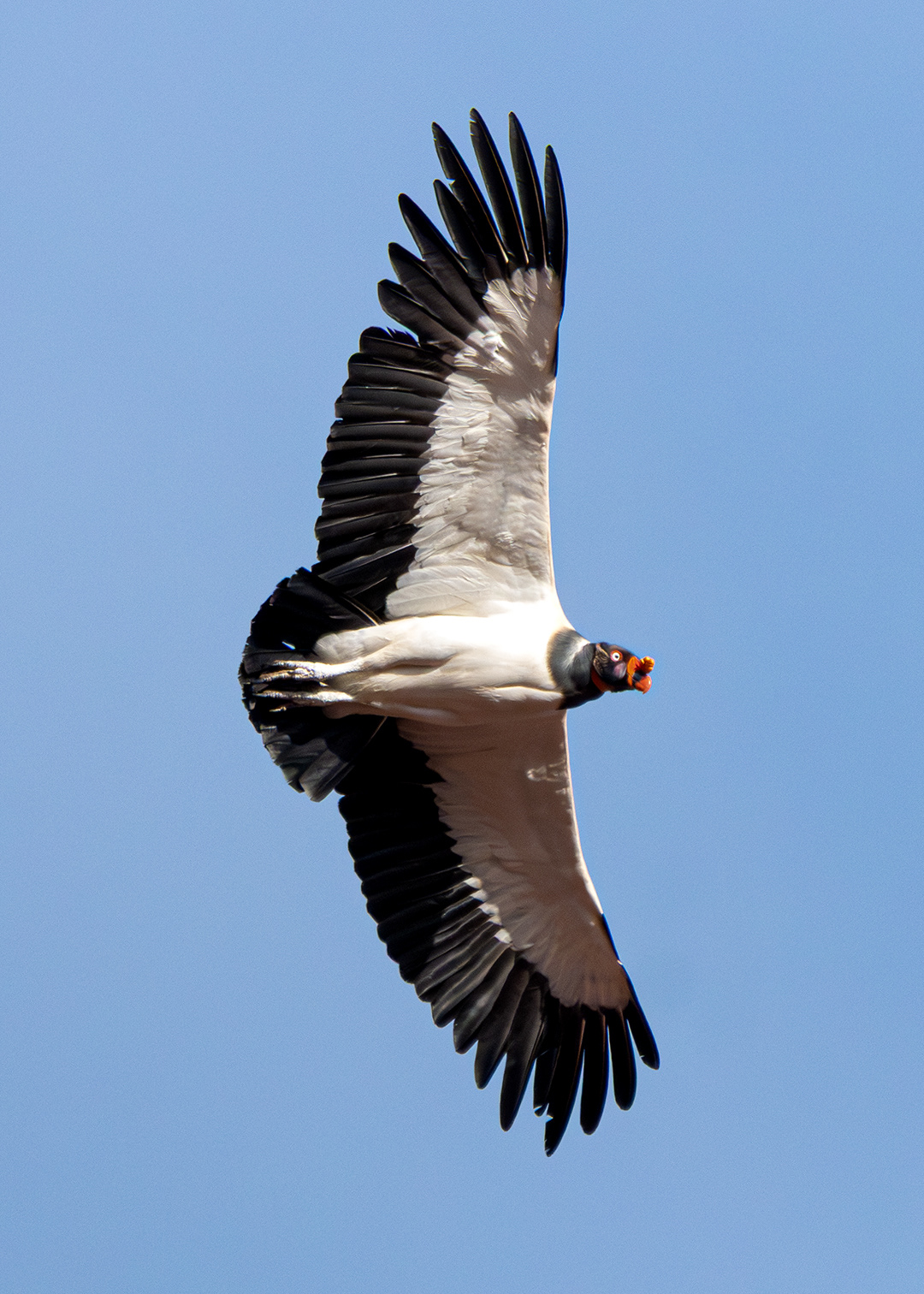
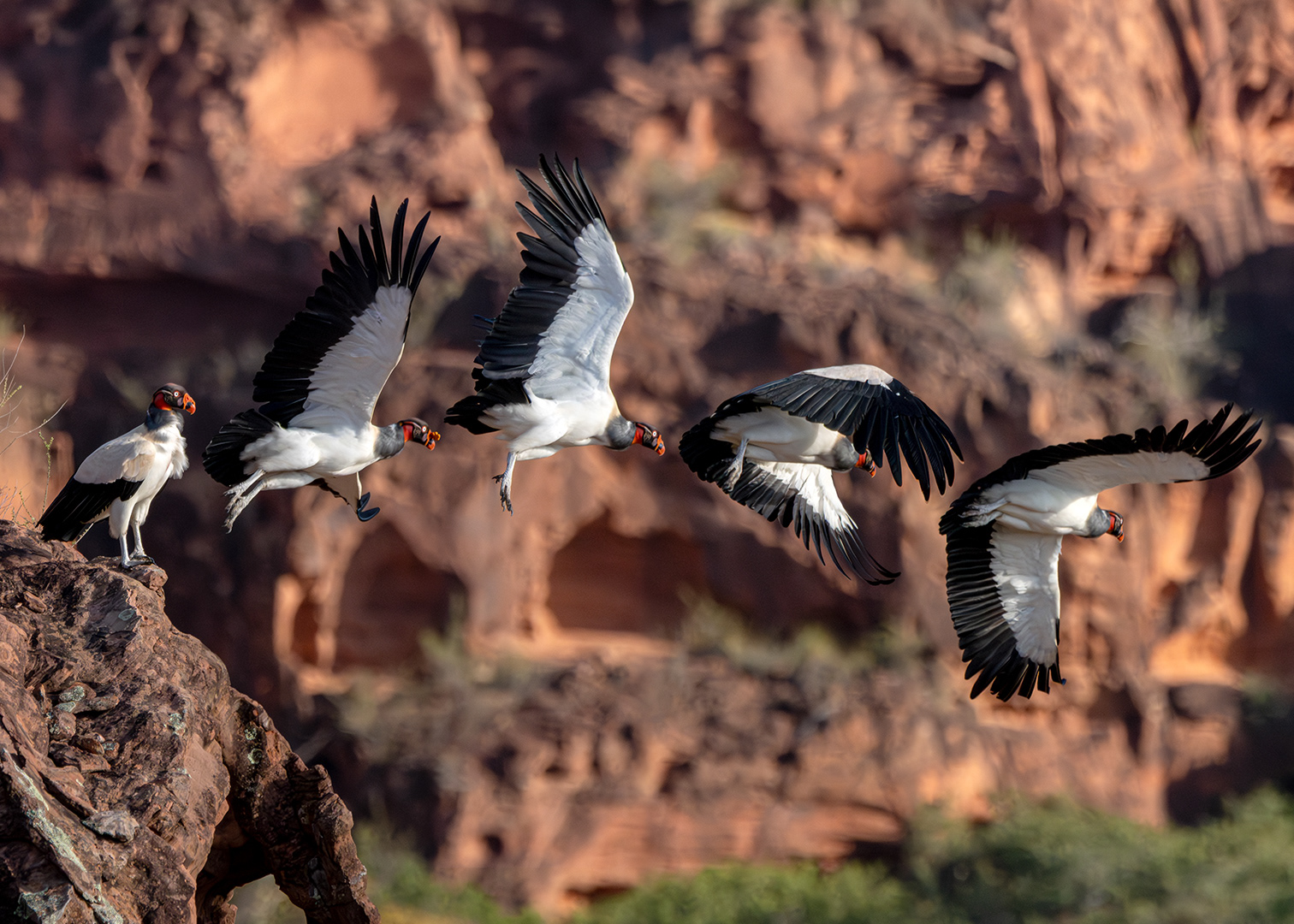
Urubu-rei (Sarcoramphus papa)
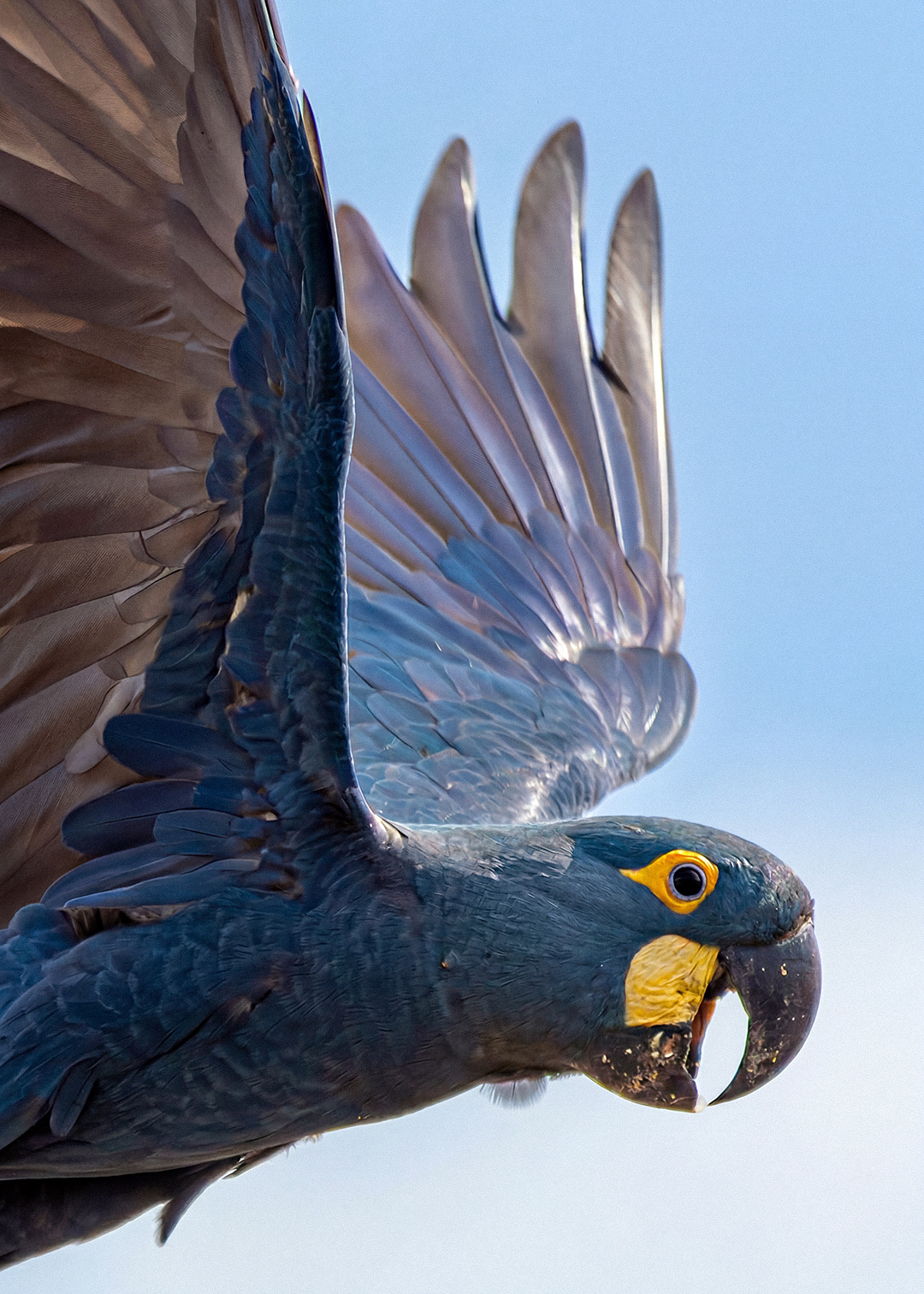
Arara-azul-da-caatinga (Anodorhynchus leari)
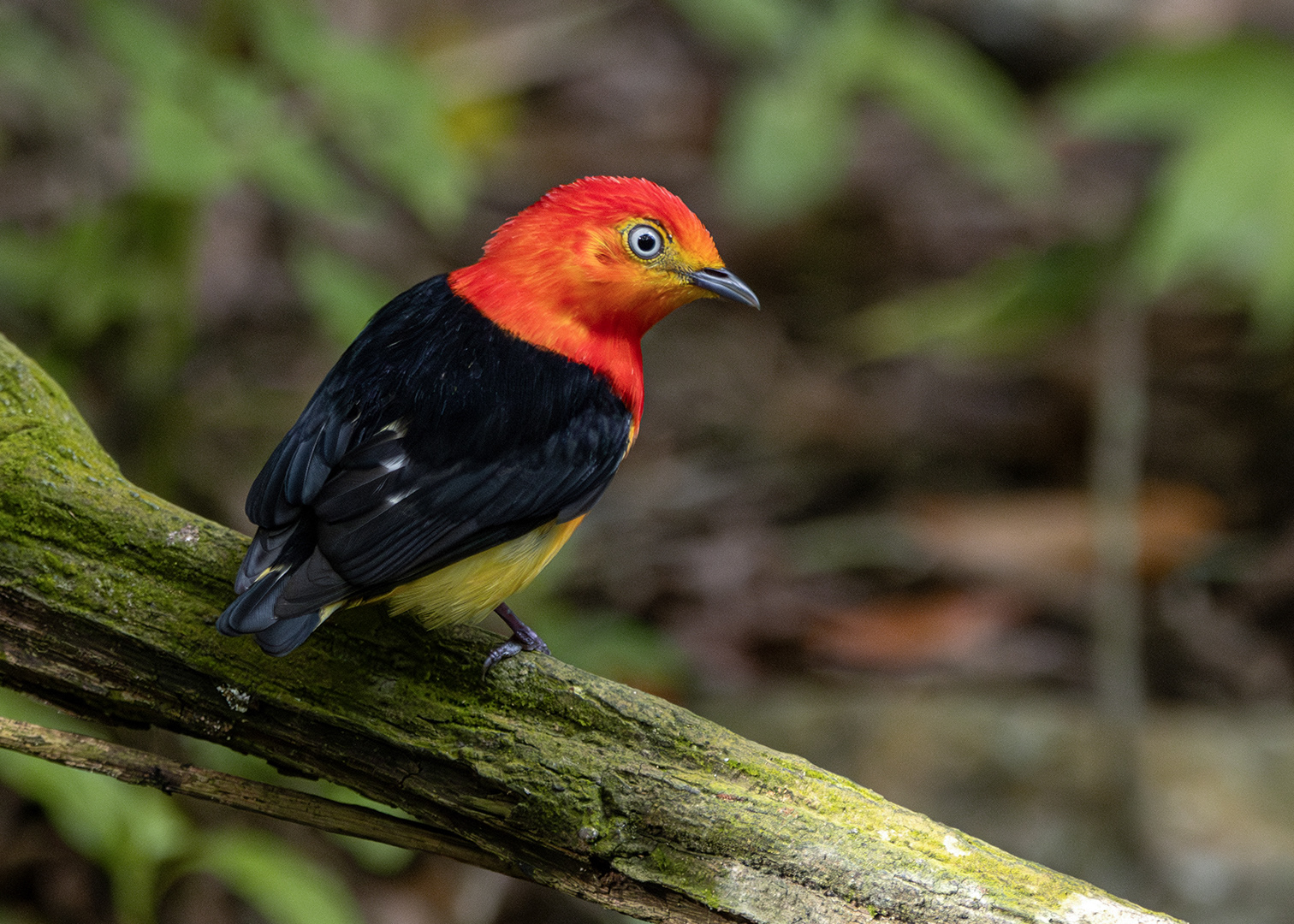
Uirapuru-laranja ♂ (Pipra fasciicauda)
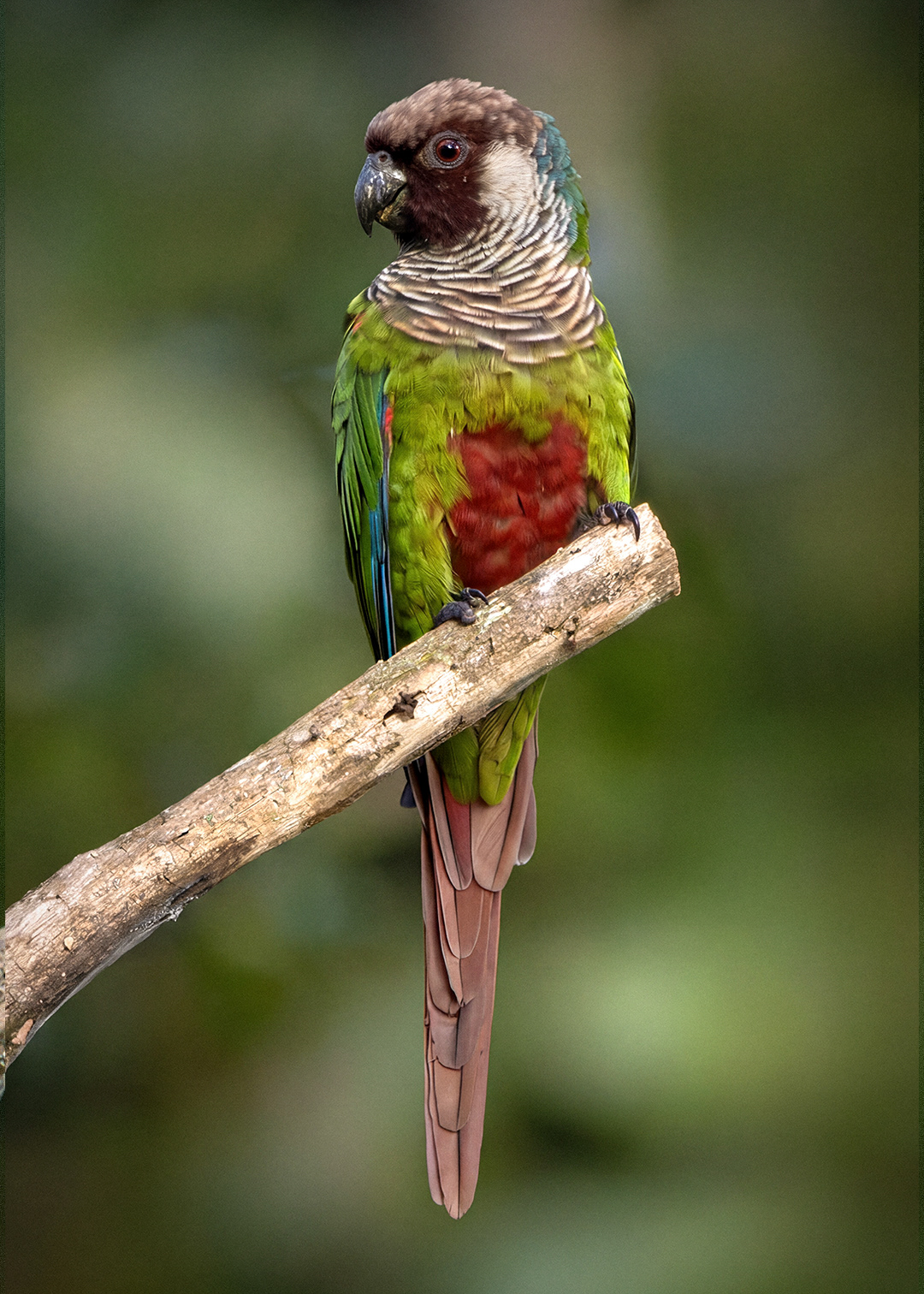
Periquito-cara-suja (Pyrrhura griseipectus)
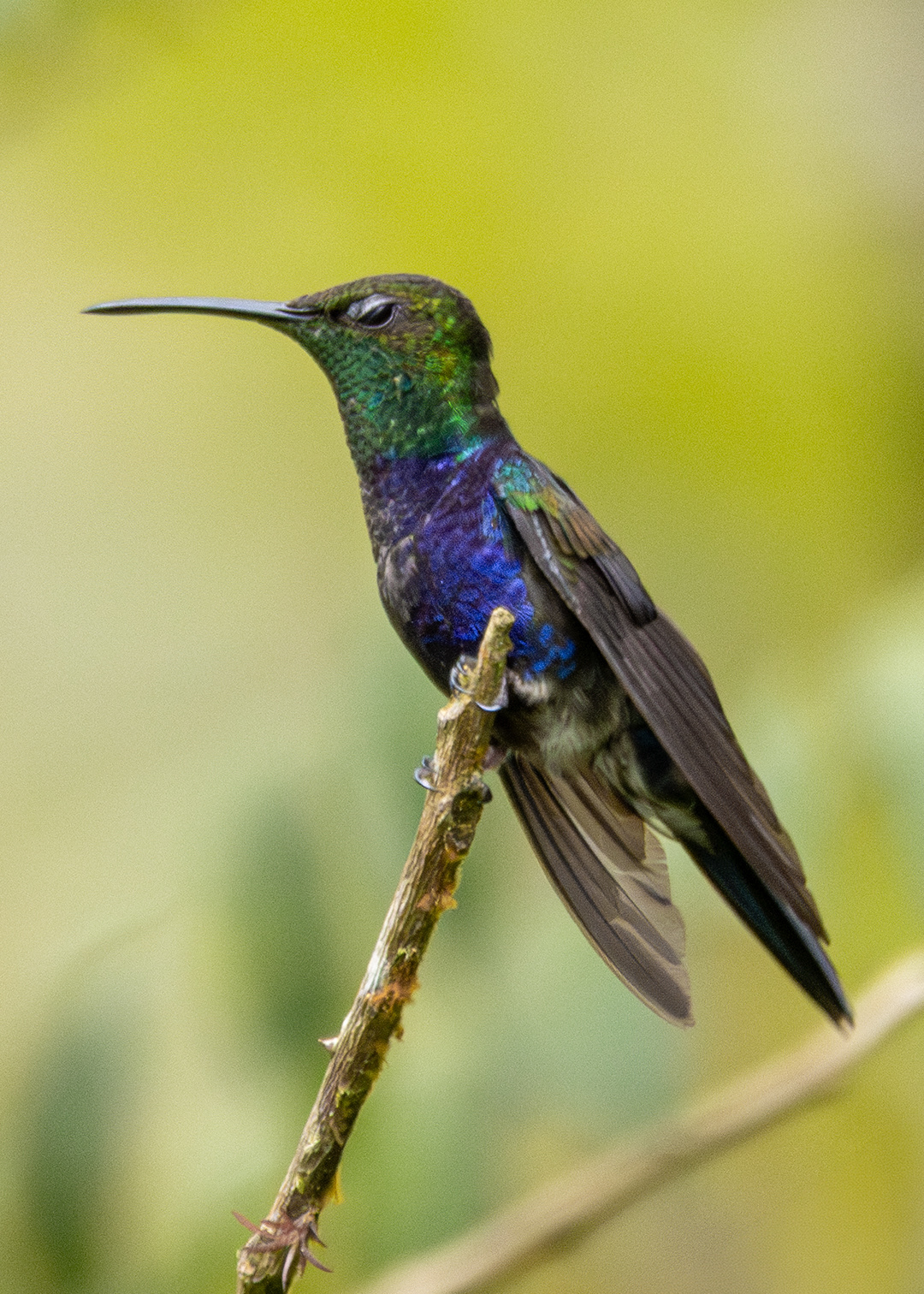
Beija-flor-tesoura-verde ♂ (Thalurania furcata)
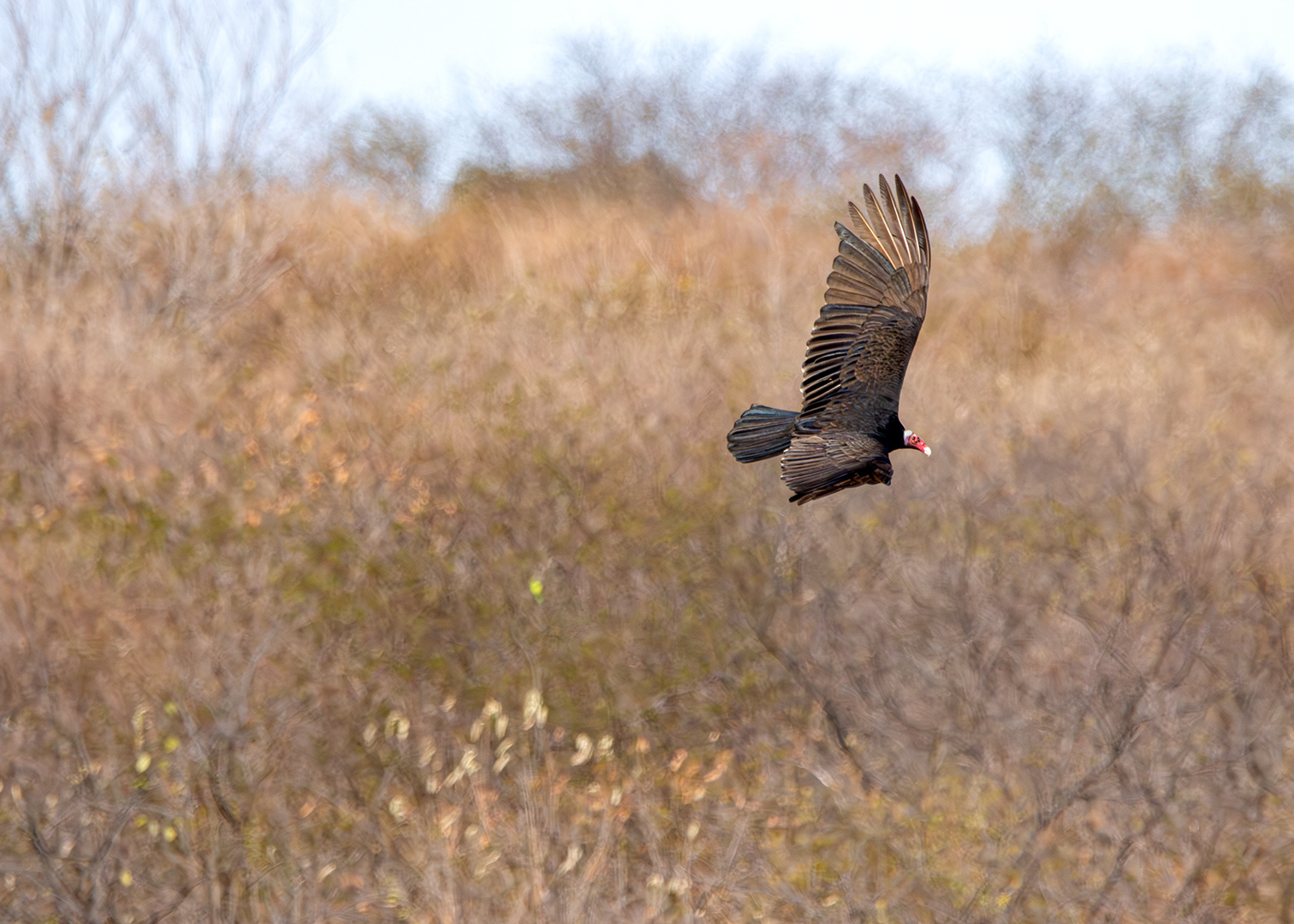
Urubu-de-cabeça-vermelha (Cathartes aura)
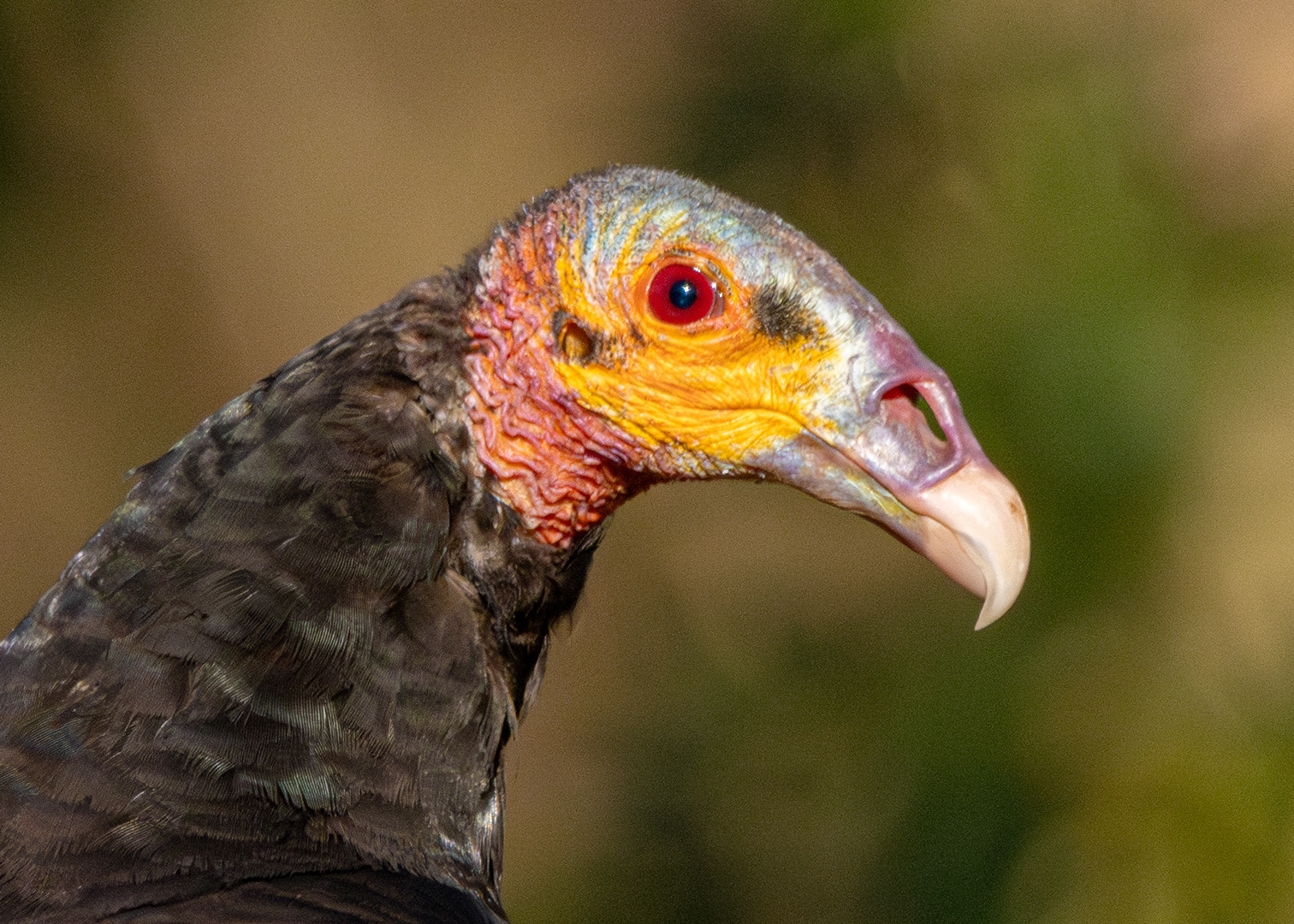
Urubu-de-cabeça-amarela (Cathartes burrovianus)
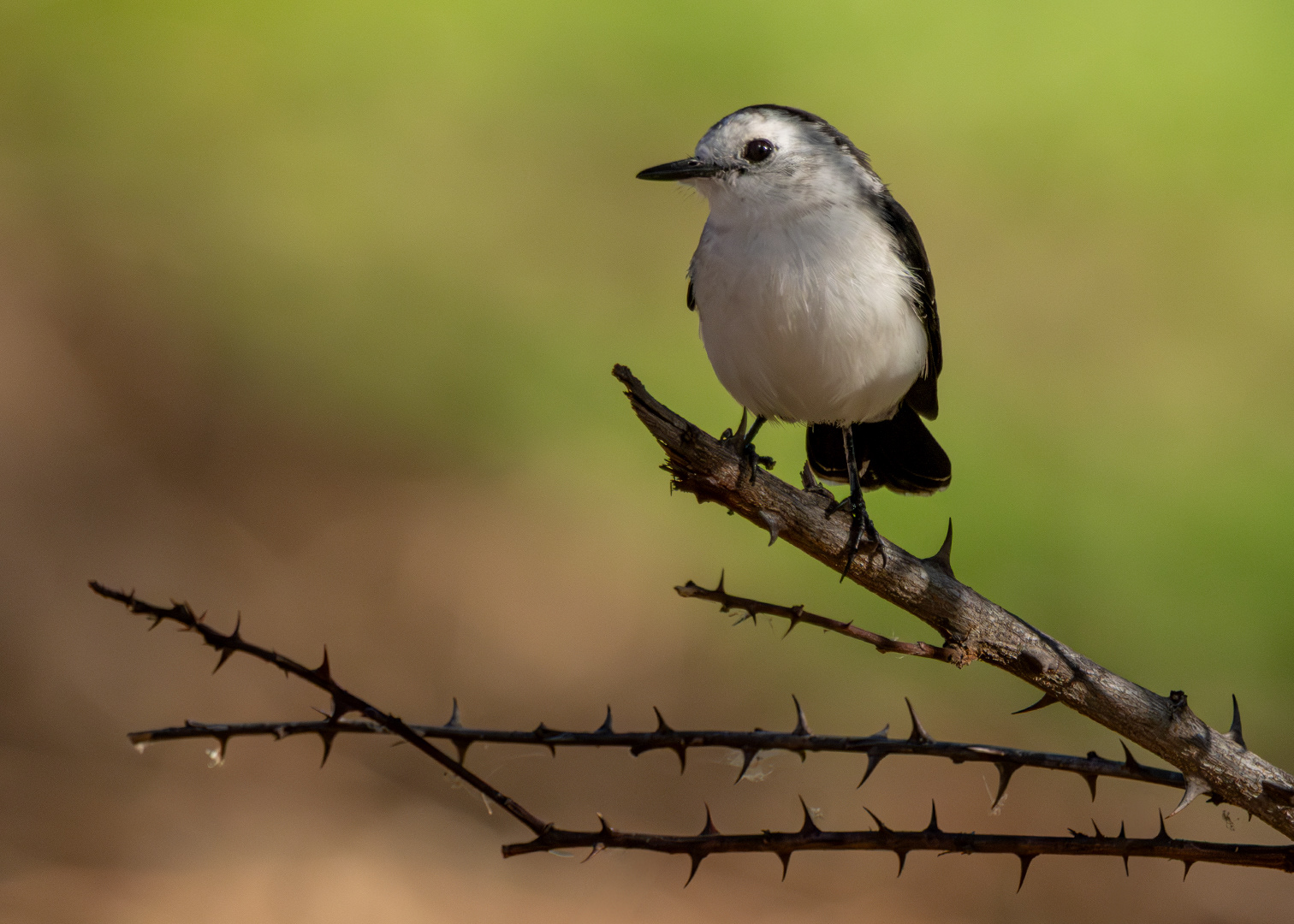
Lavadeira-de-cara-branca (Fluvicola albiventer)
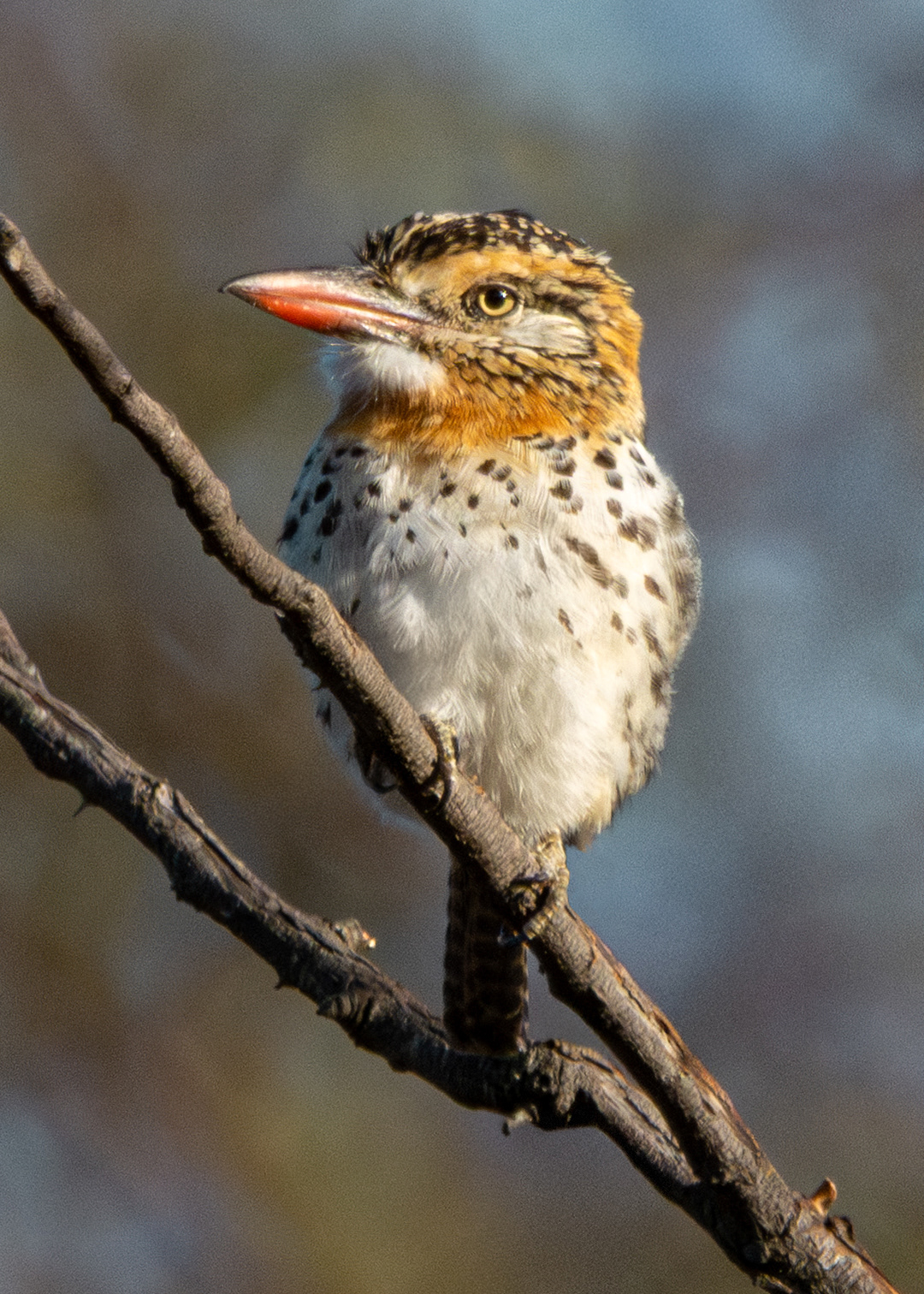
Rapazinho-dos-velhos (Nystalus maculatus)
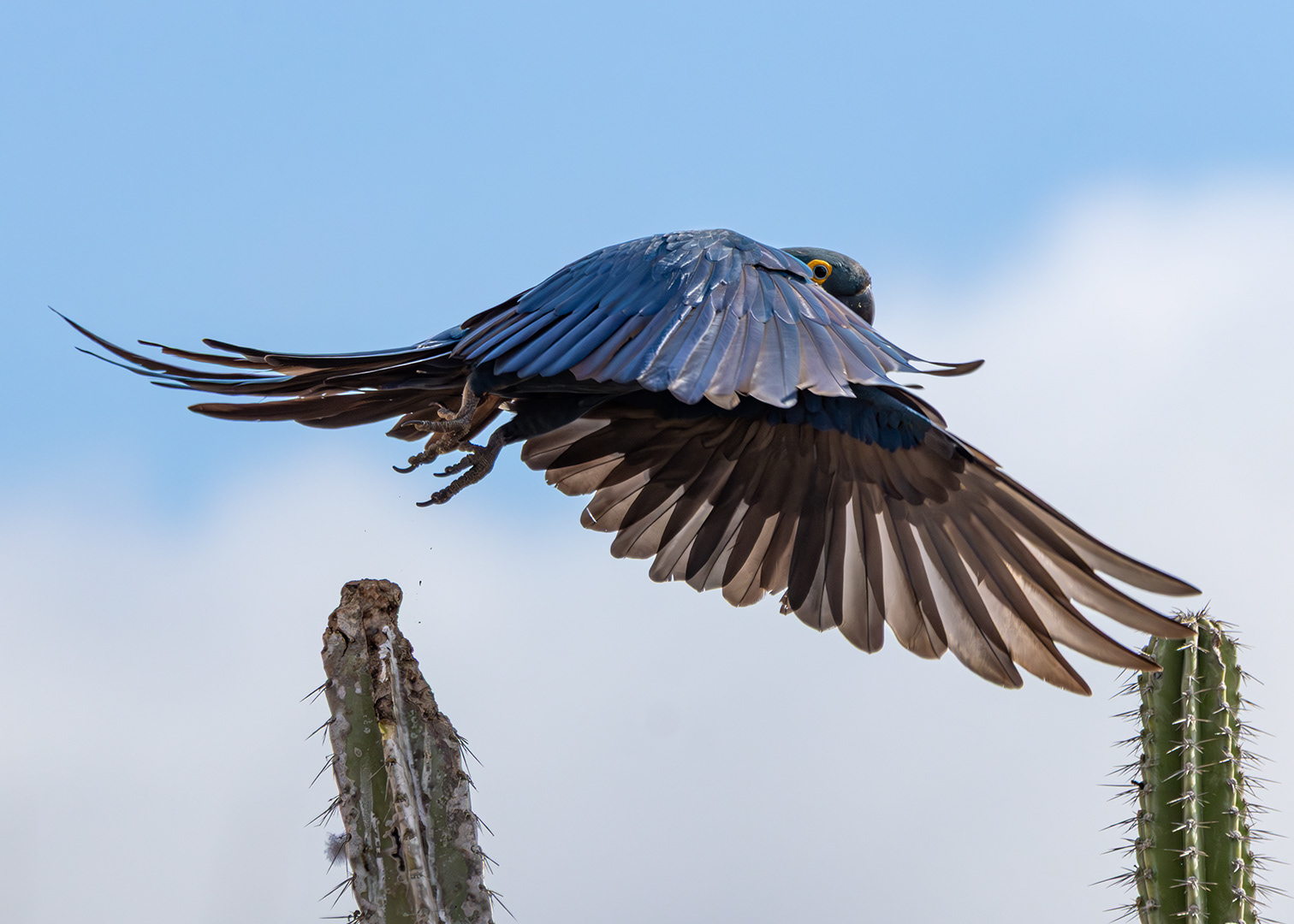
Arara-azul-da-caatinga (Anodorhynchus leari)
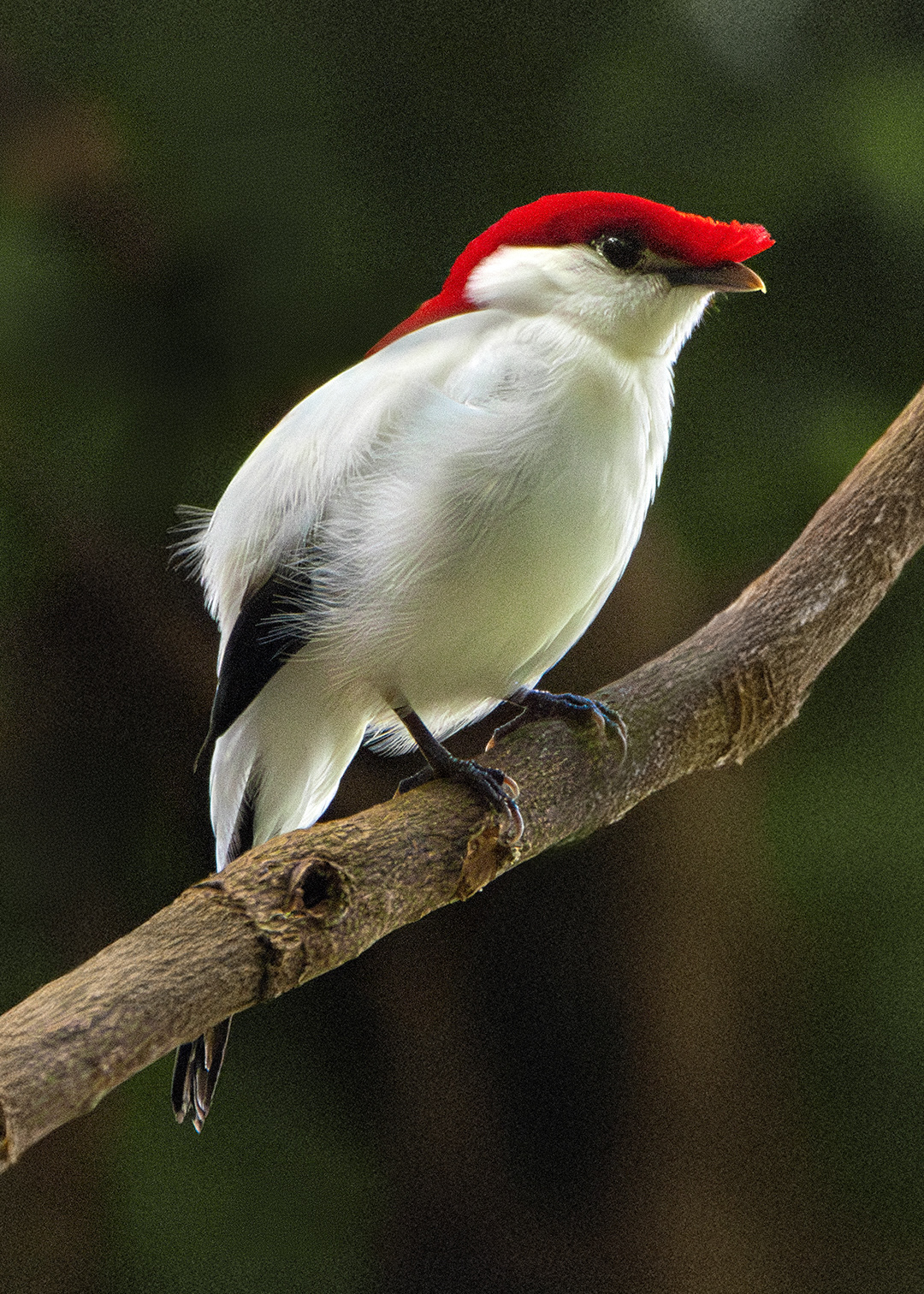
Soldadinho-do-araripe ♂ (Antilophia bokermanni)
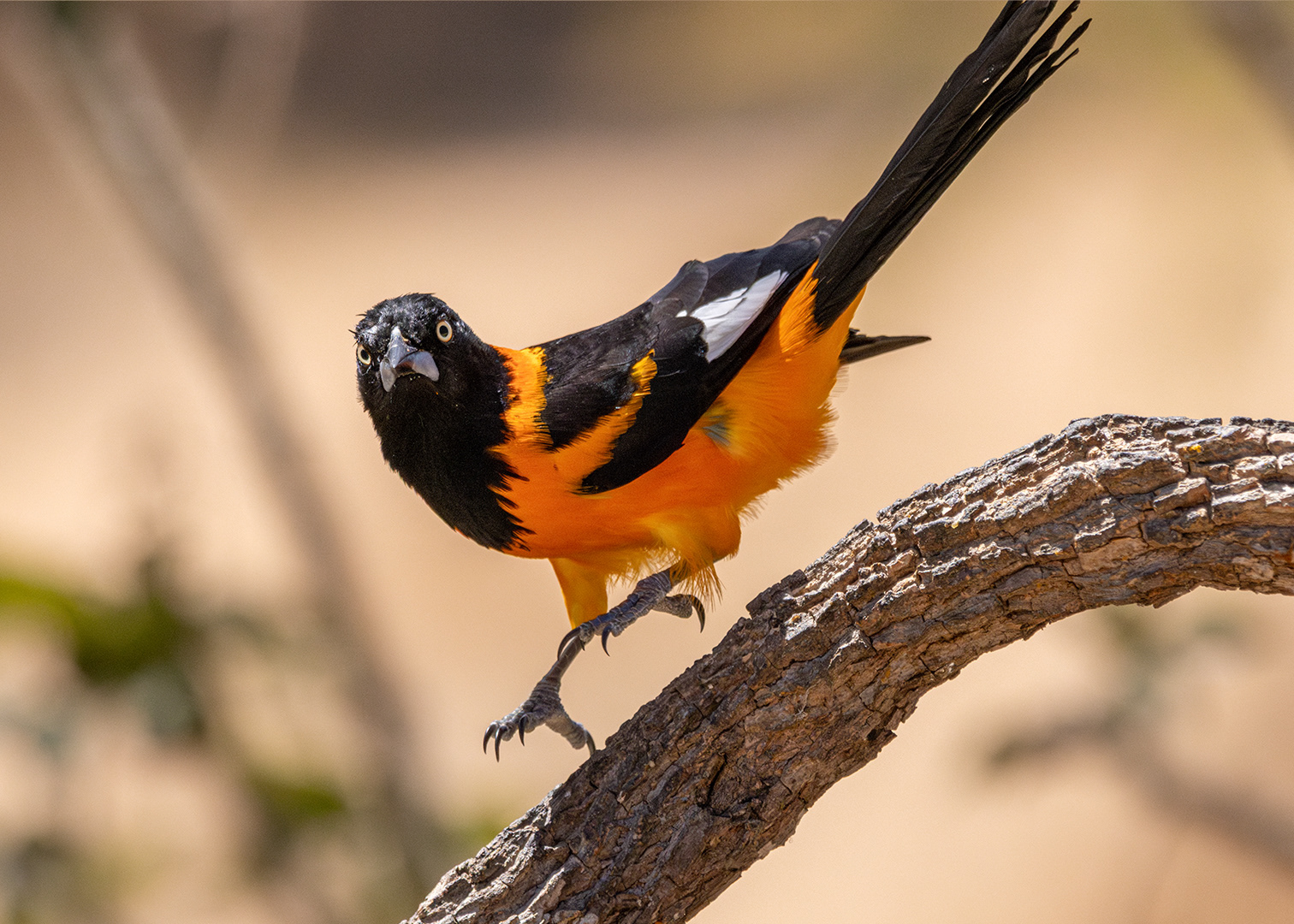
Sofreu (Icterus jamacaii)
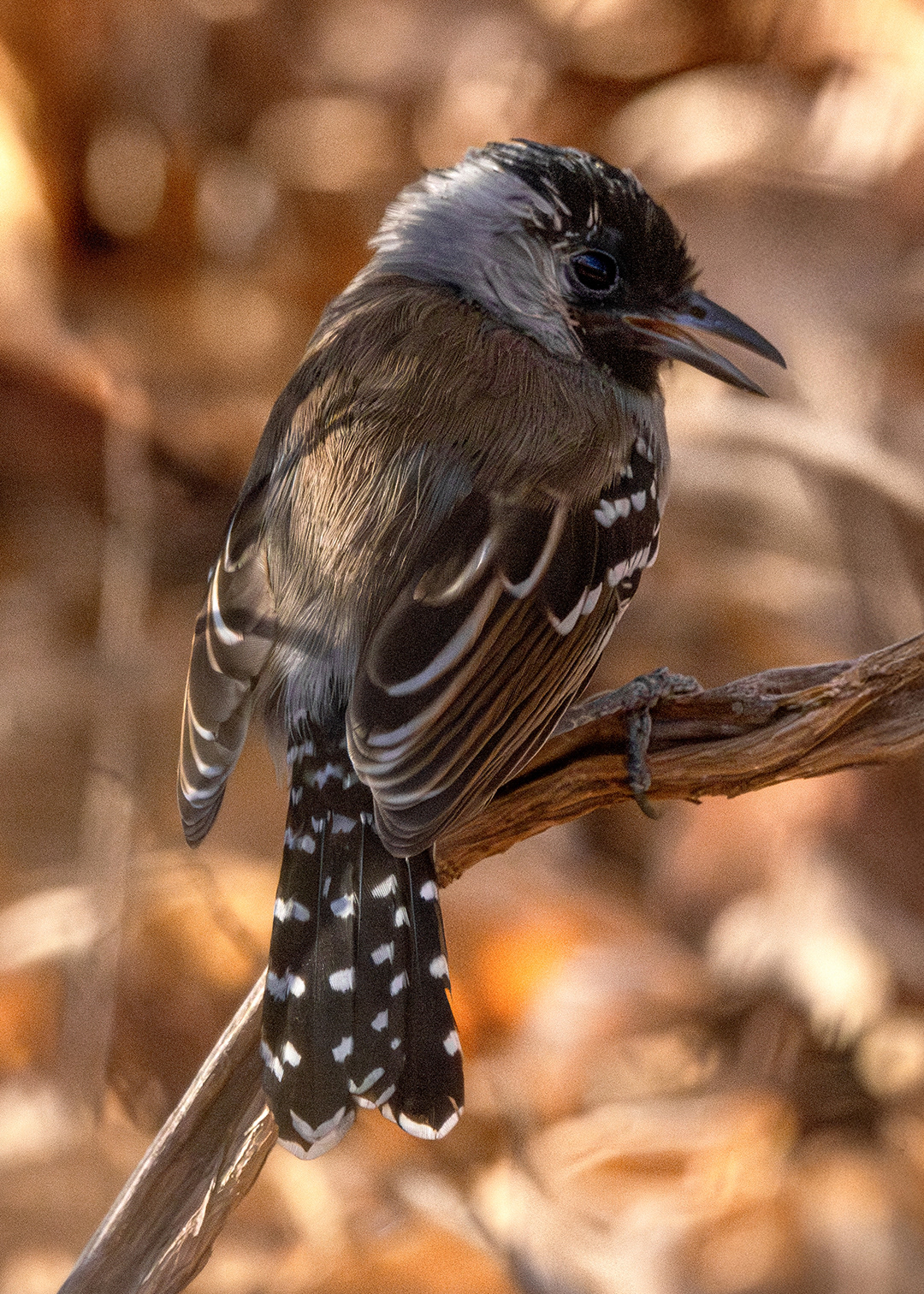
Choca-do-nordeste ♂ (Sakesphoroides cristatus)
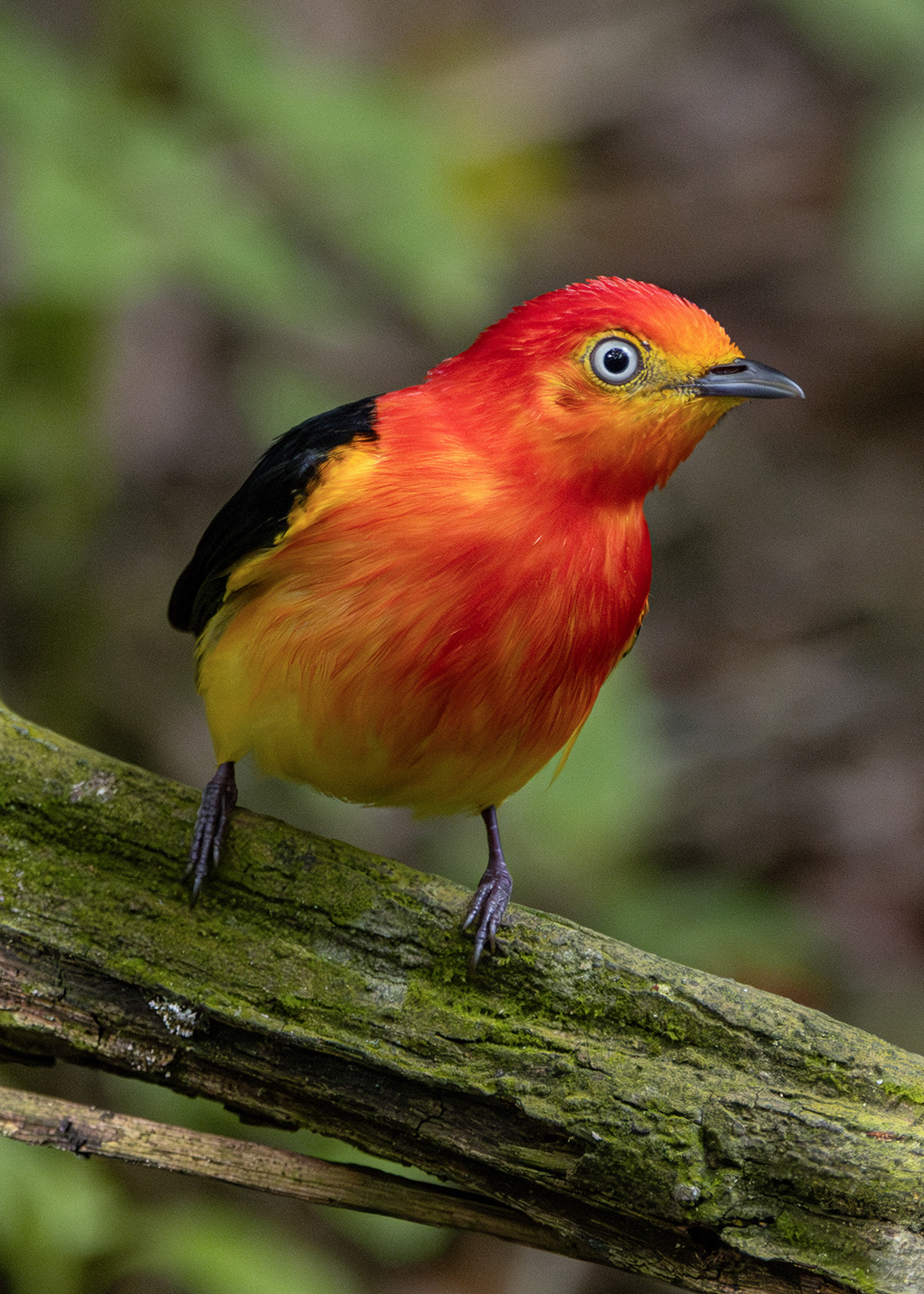
Uirapuru-laranja ♂ (Pipra fasciicauda)
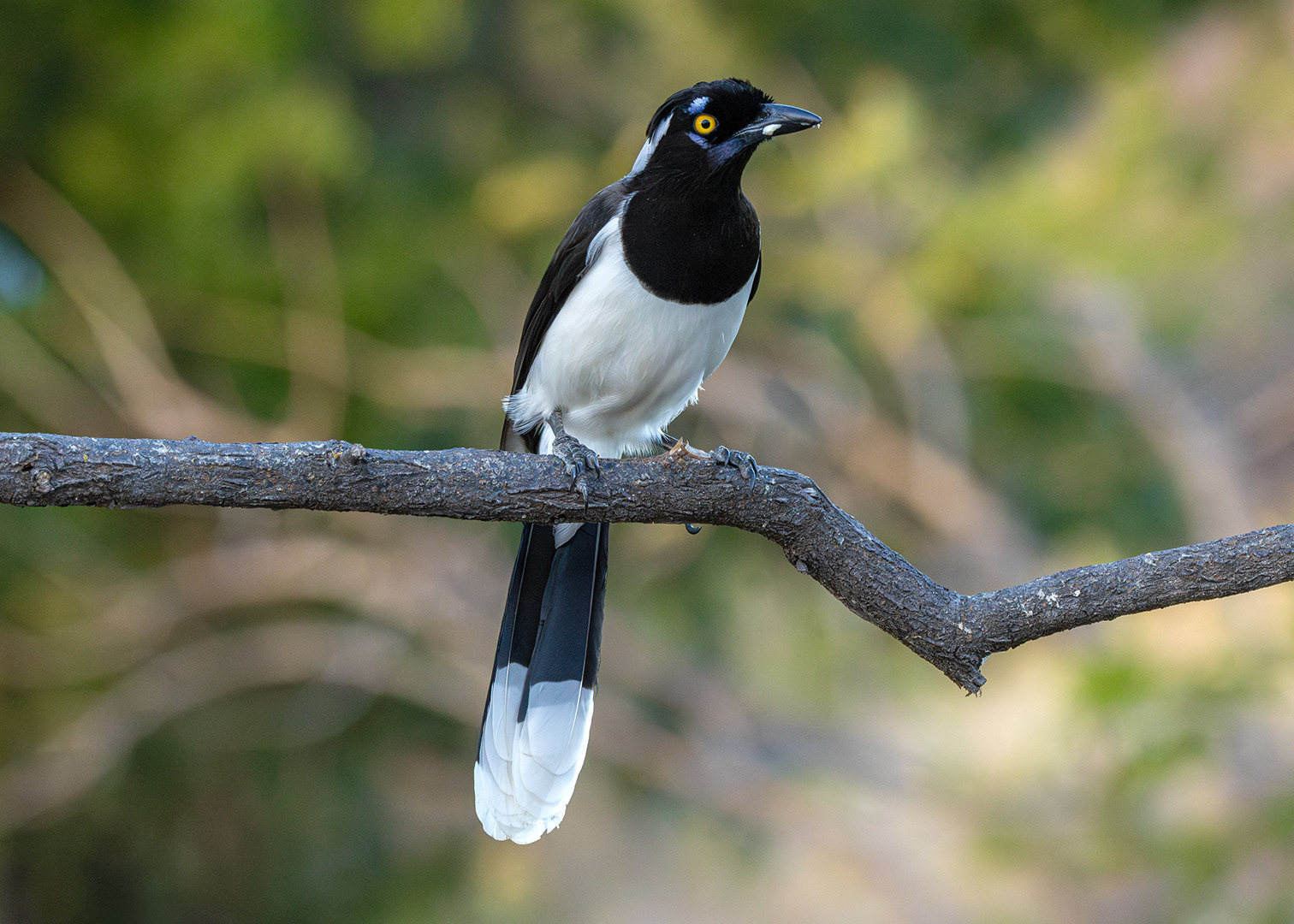
Gralha-cancã (Cyanocorax cyanopogon)
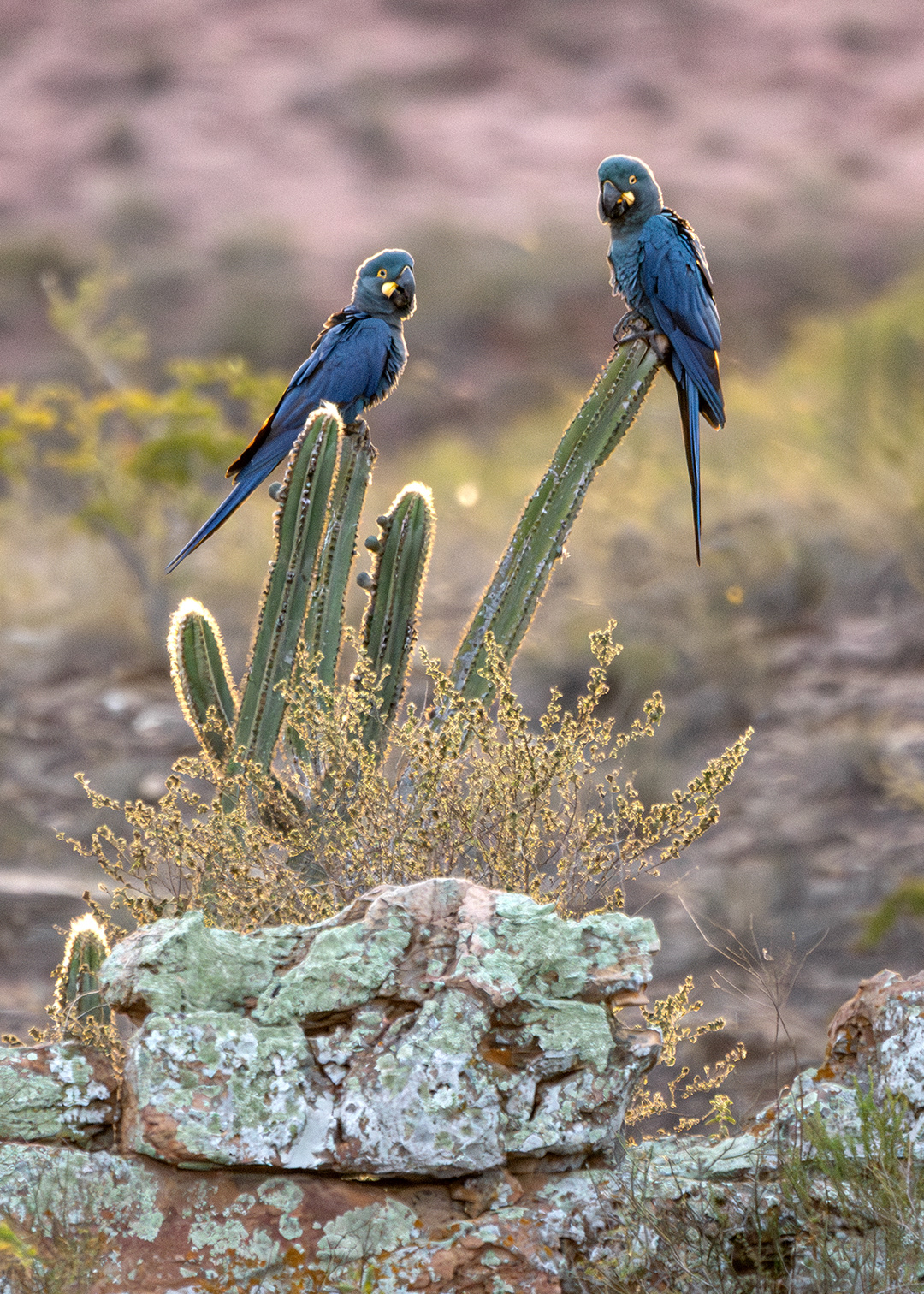
Arara-azul-da-caatinga (Anodorhynchus leari)
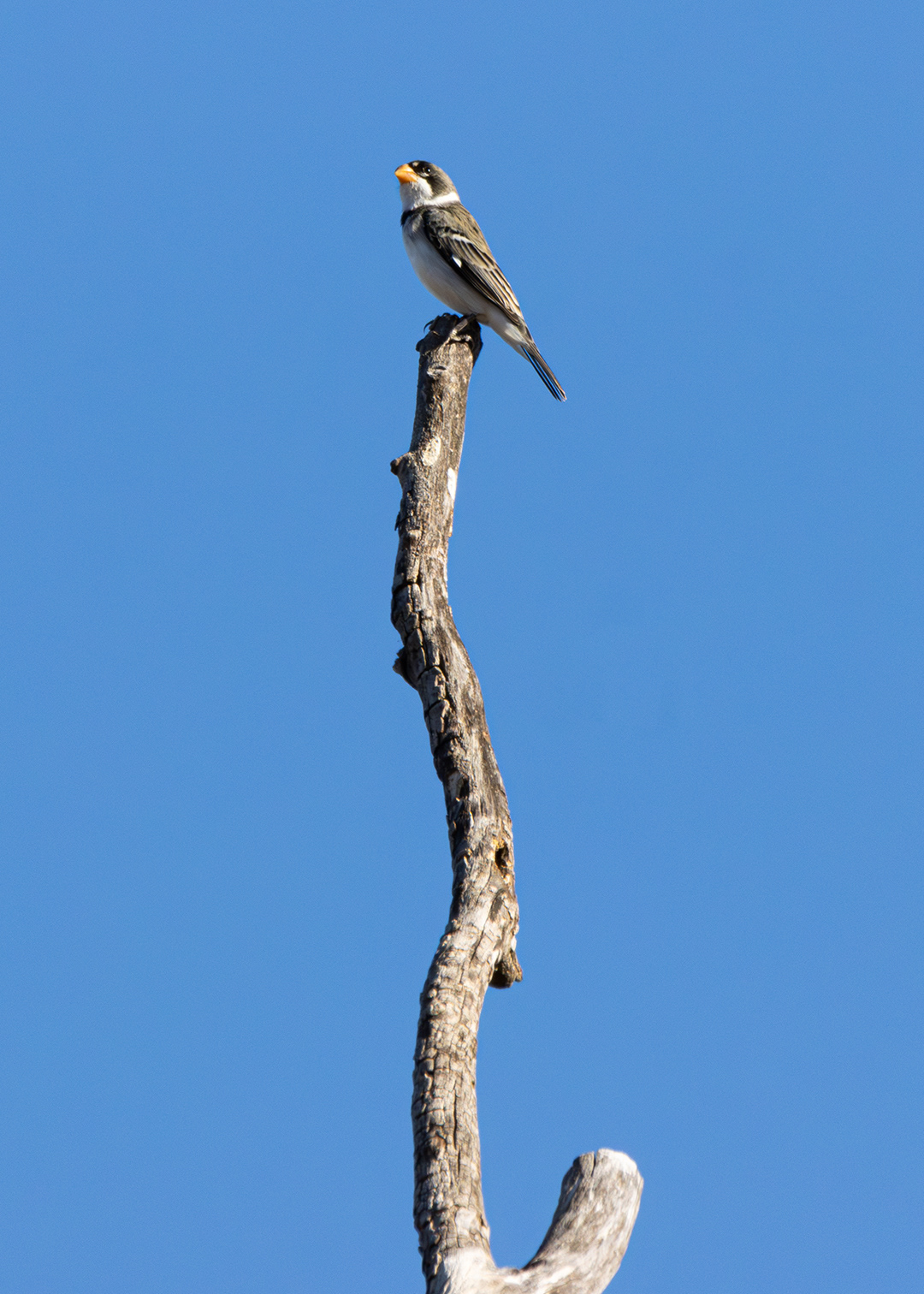
Golinho (Sporophila albogularis)
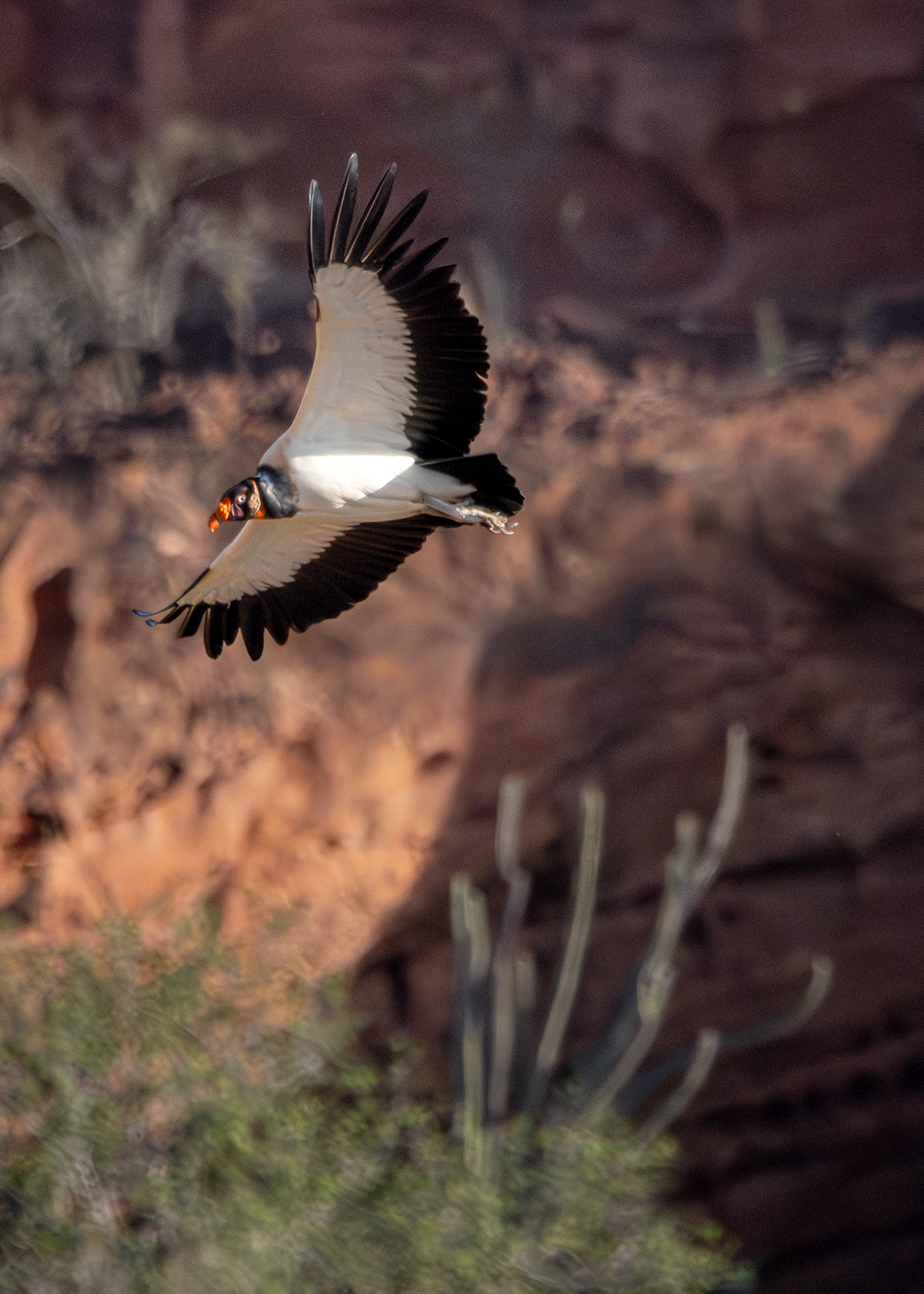
Urubu-rei (Sarcoramphus papa)
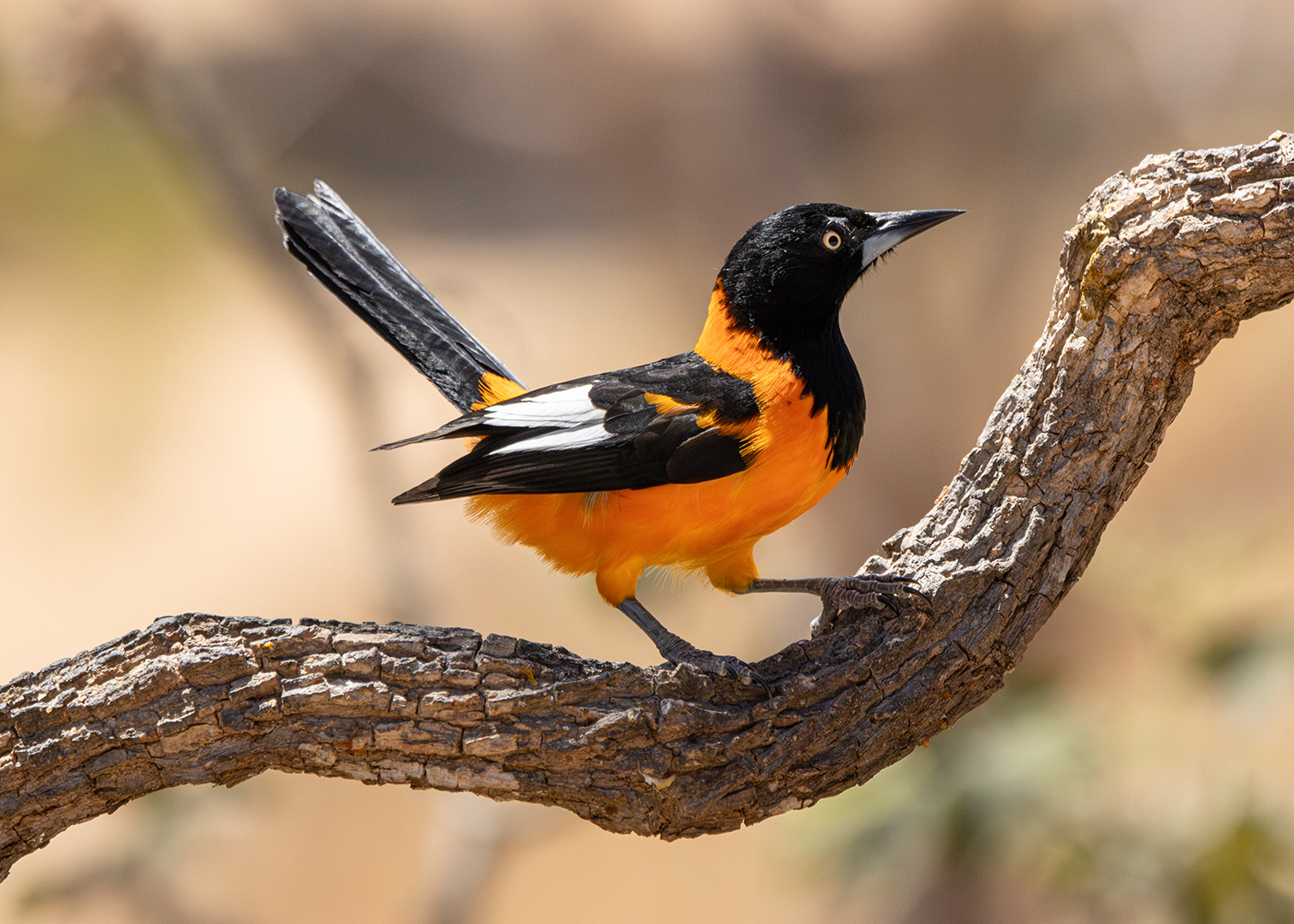
Sofreu (Icterus jamacaii)
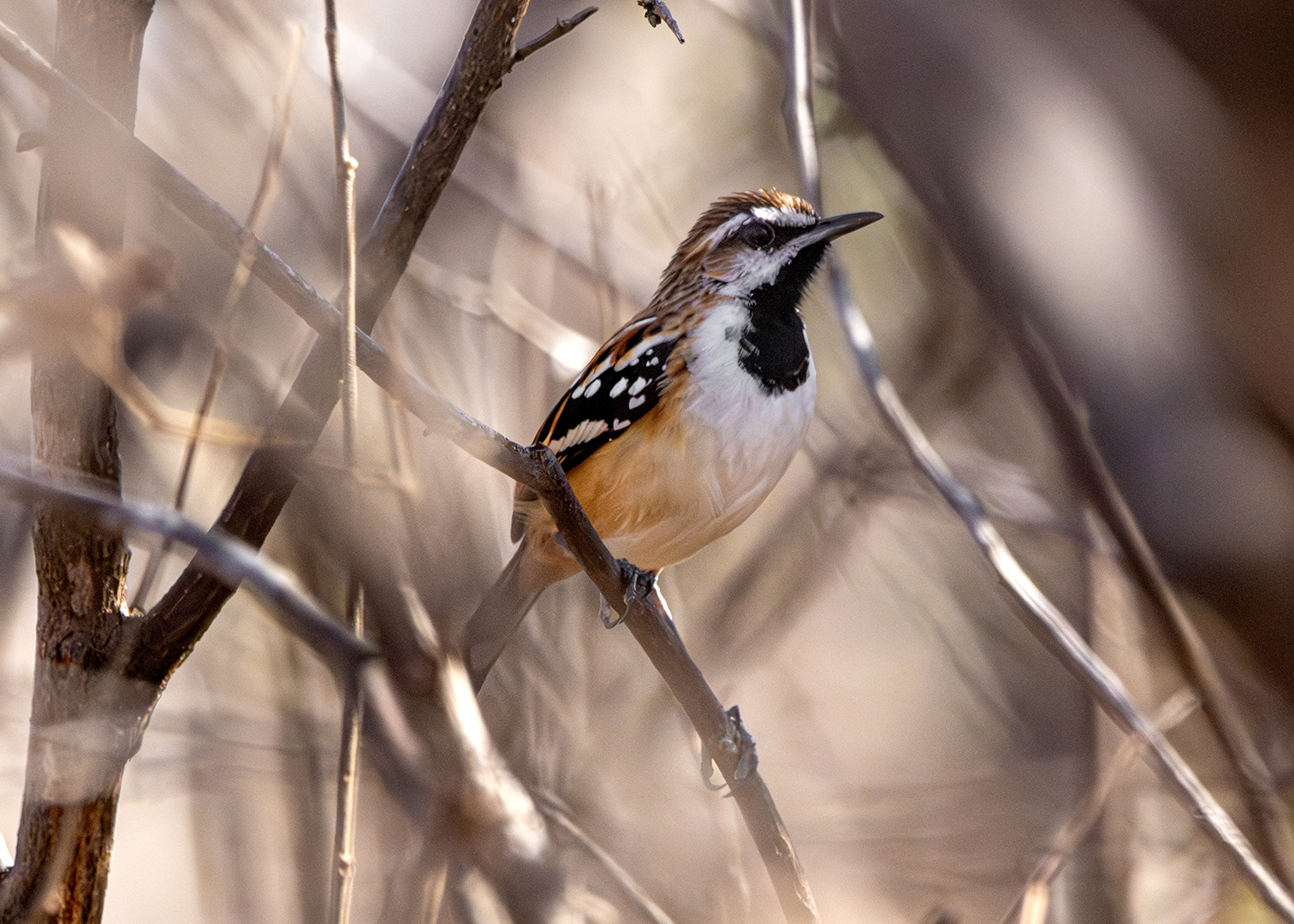
Tem-farinha-aí ♂ (Myrmorchilus strigilatus)
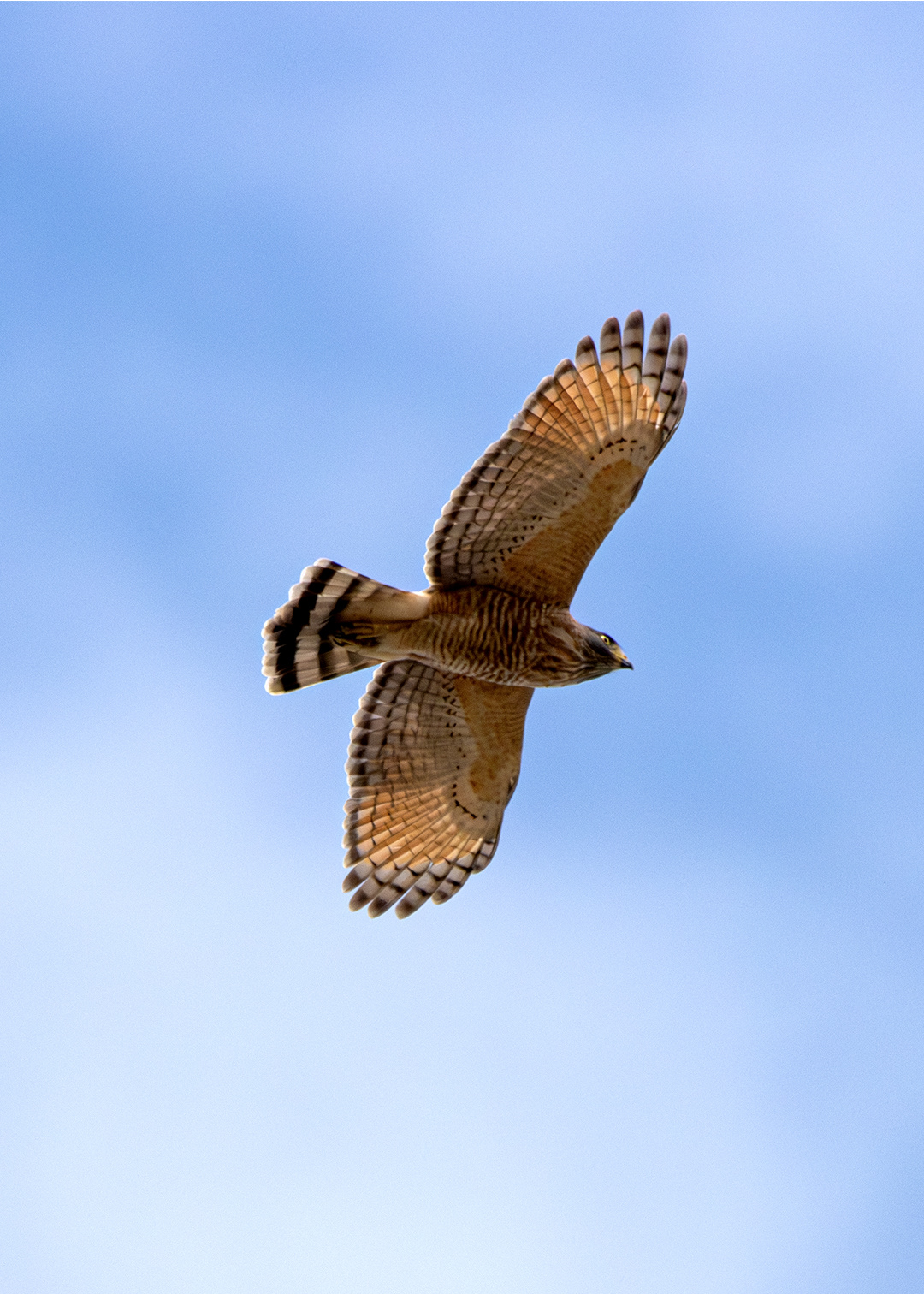
Gavião-carijó (Rupornis magnirostris)
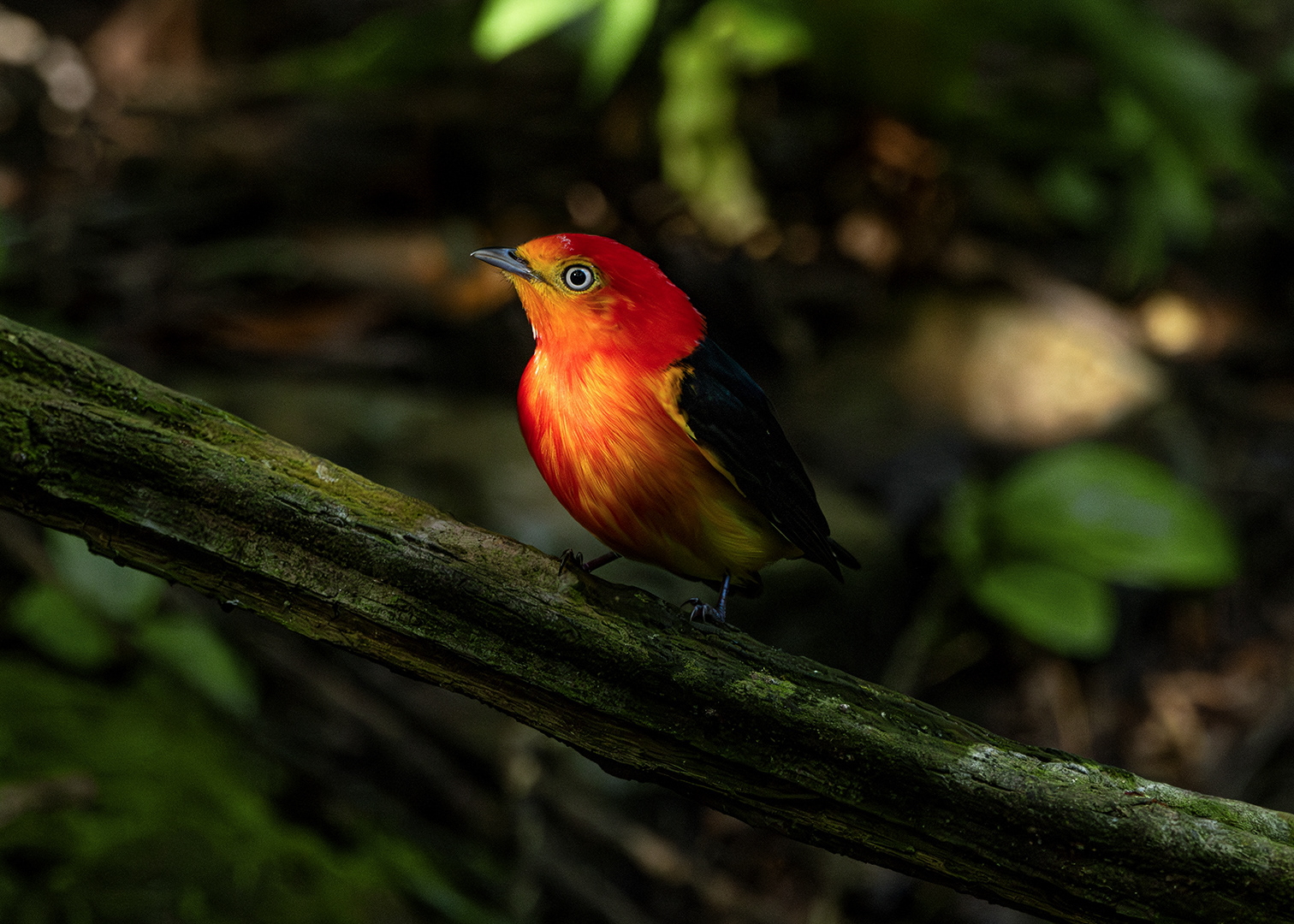
Uirapuru-laranja ♂ (Pipra fasciicauda) - Guaramiranha, CE
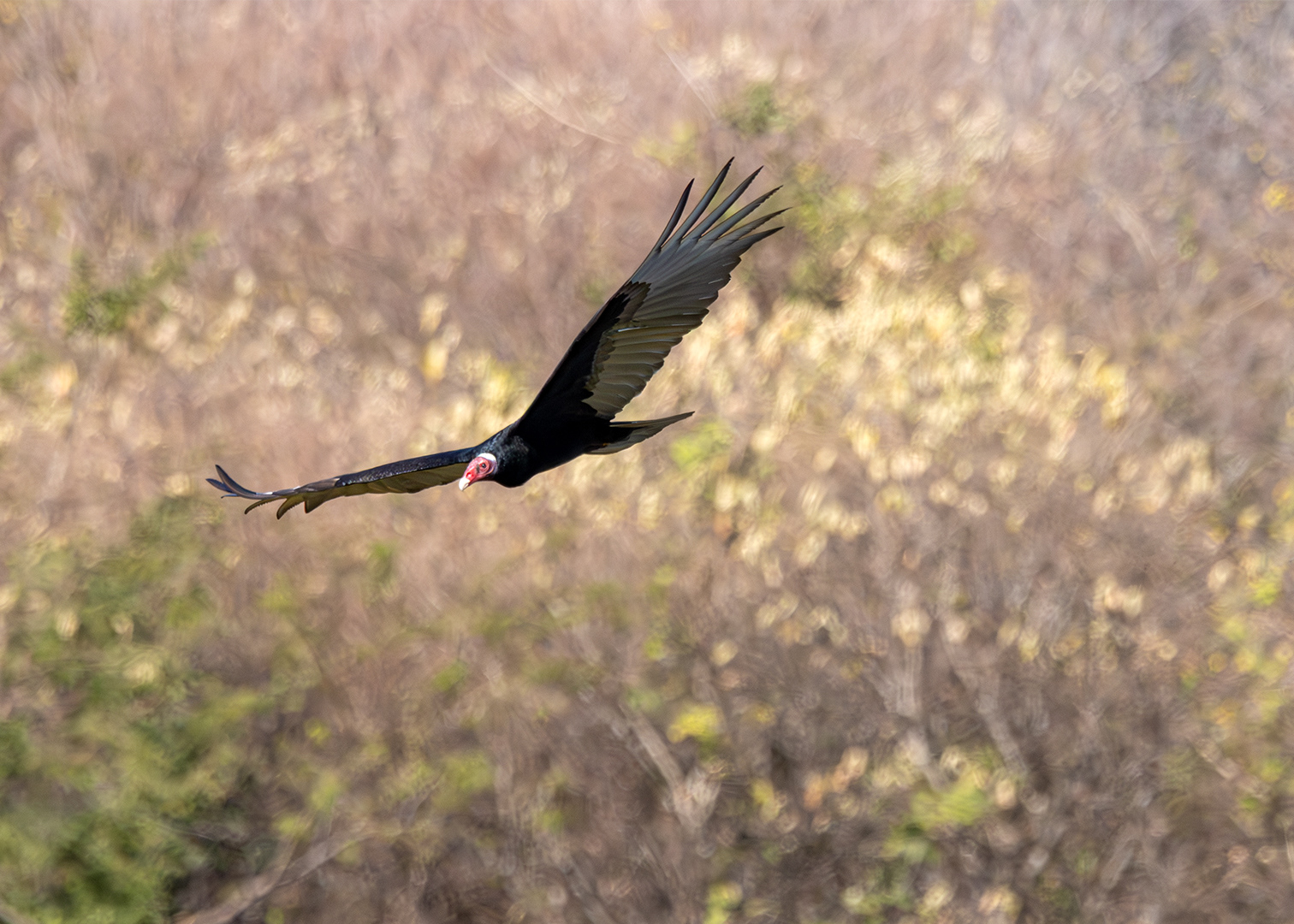
Urubu-de-cabeça-vermelha (Cathartes aura)
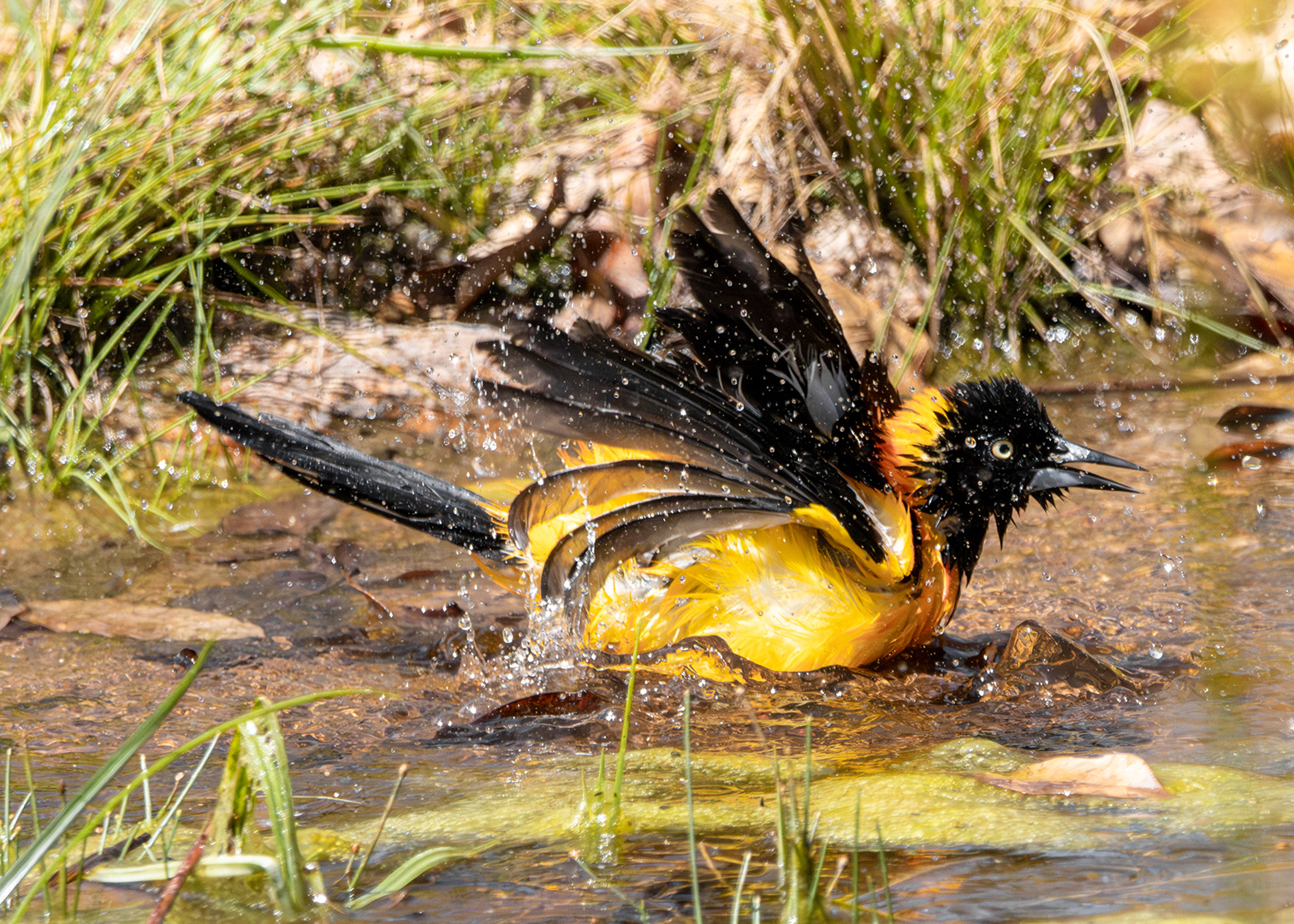
Sofreu (Icterus jamacaii)
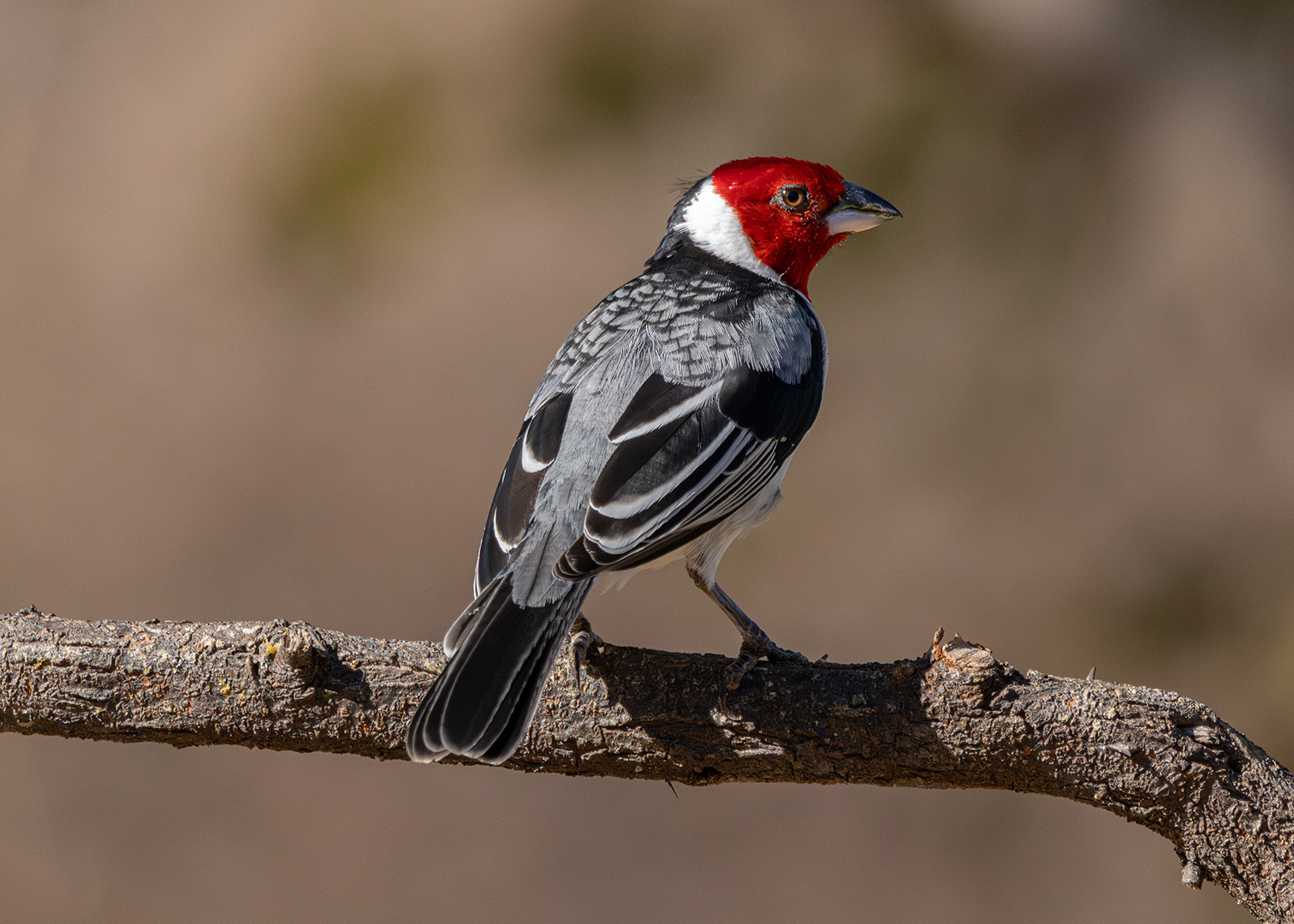
Galo-de-campina (Paroaria dominicana)
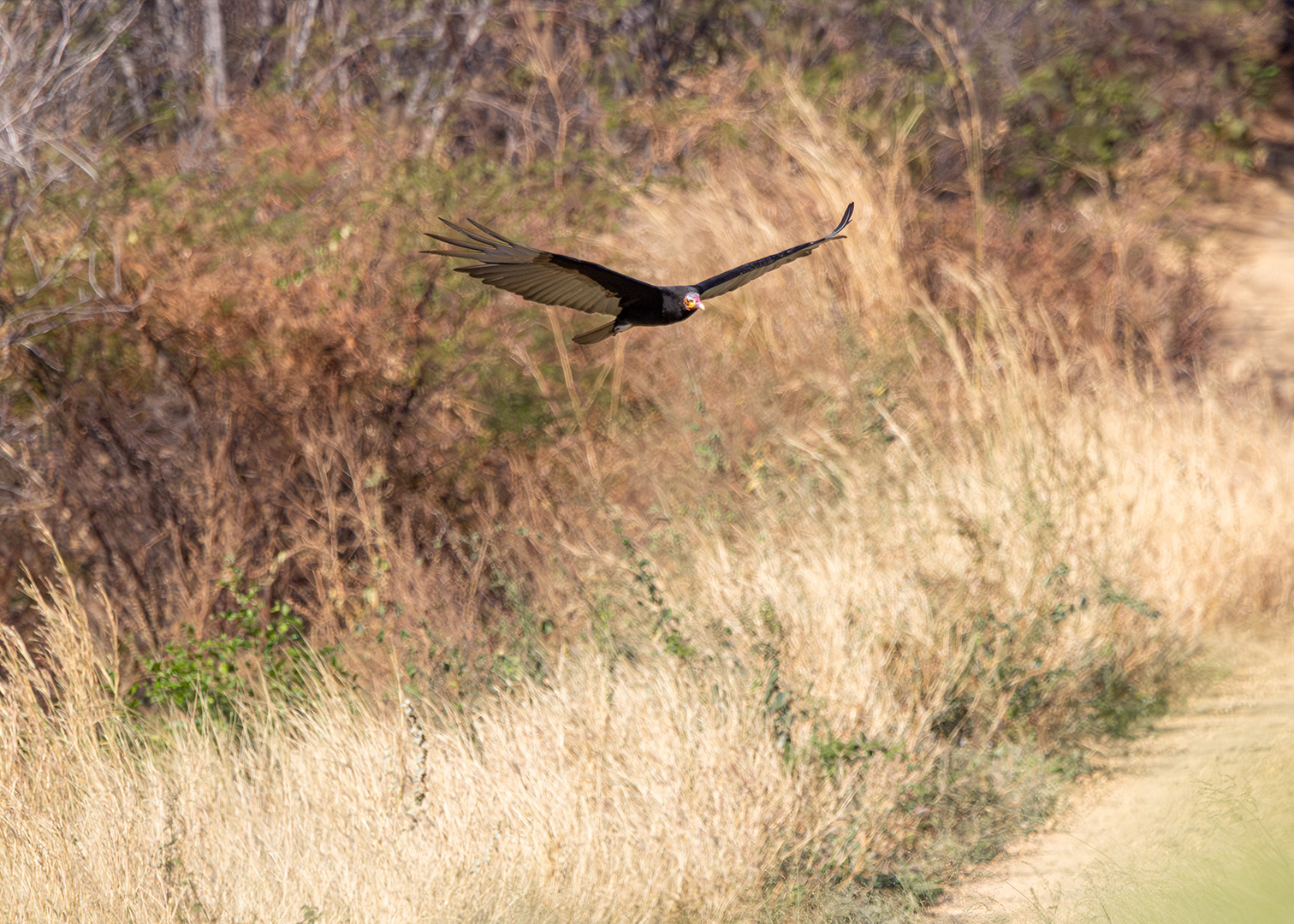
Urubu-de-cabeça-amarela (Cathartes burrovianus)
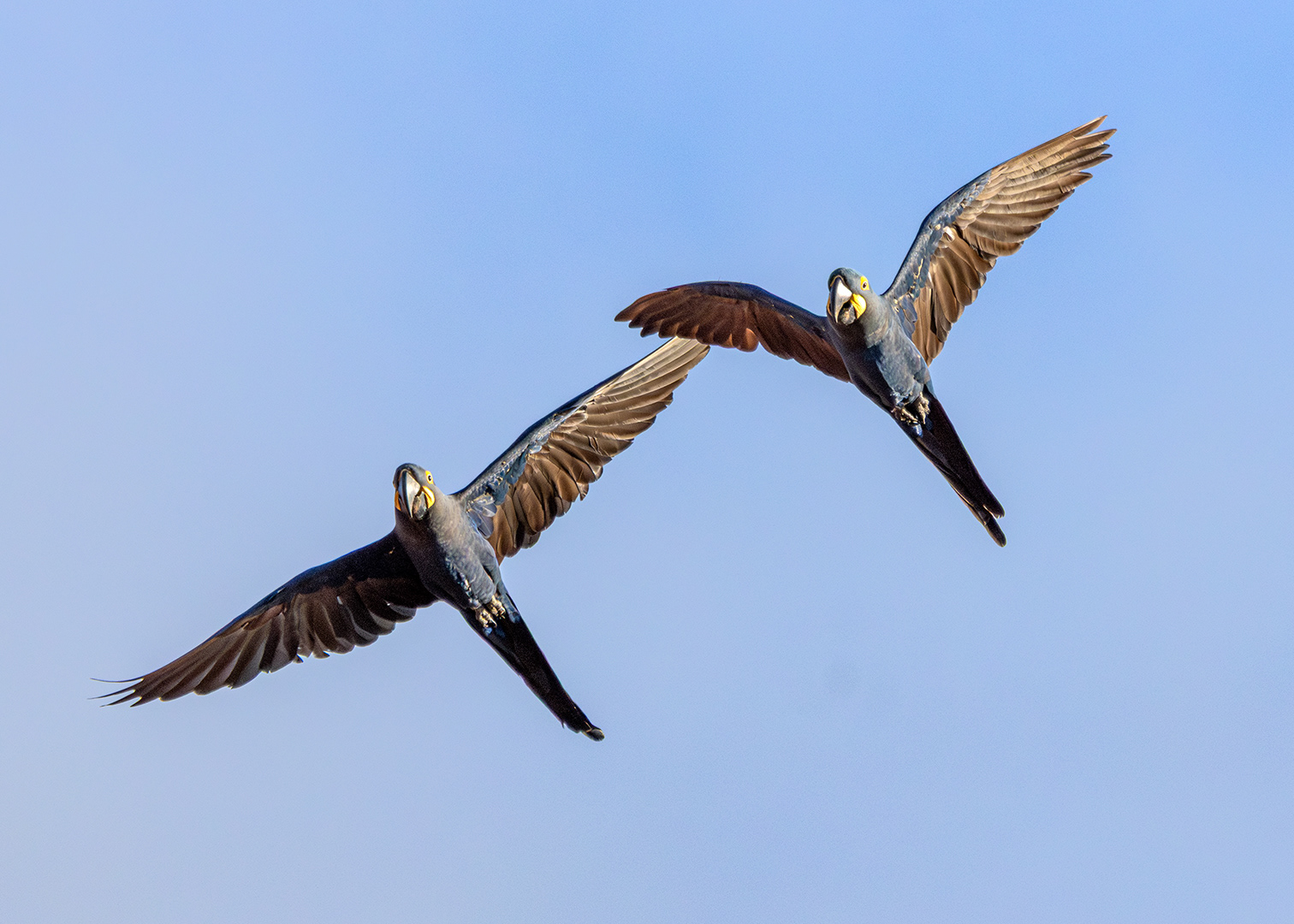
Arara-azul-da-caatinga (Anodorhynchus leari) - Canudos, BA
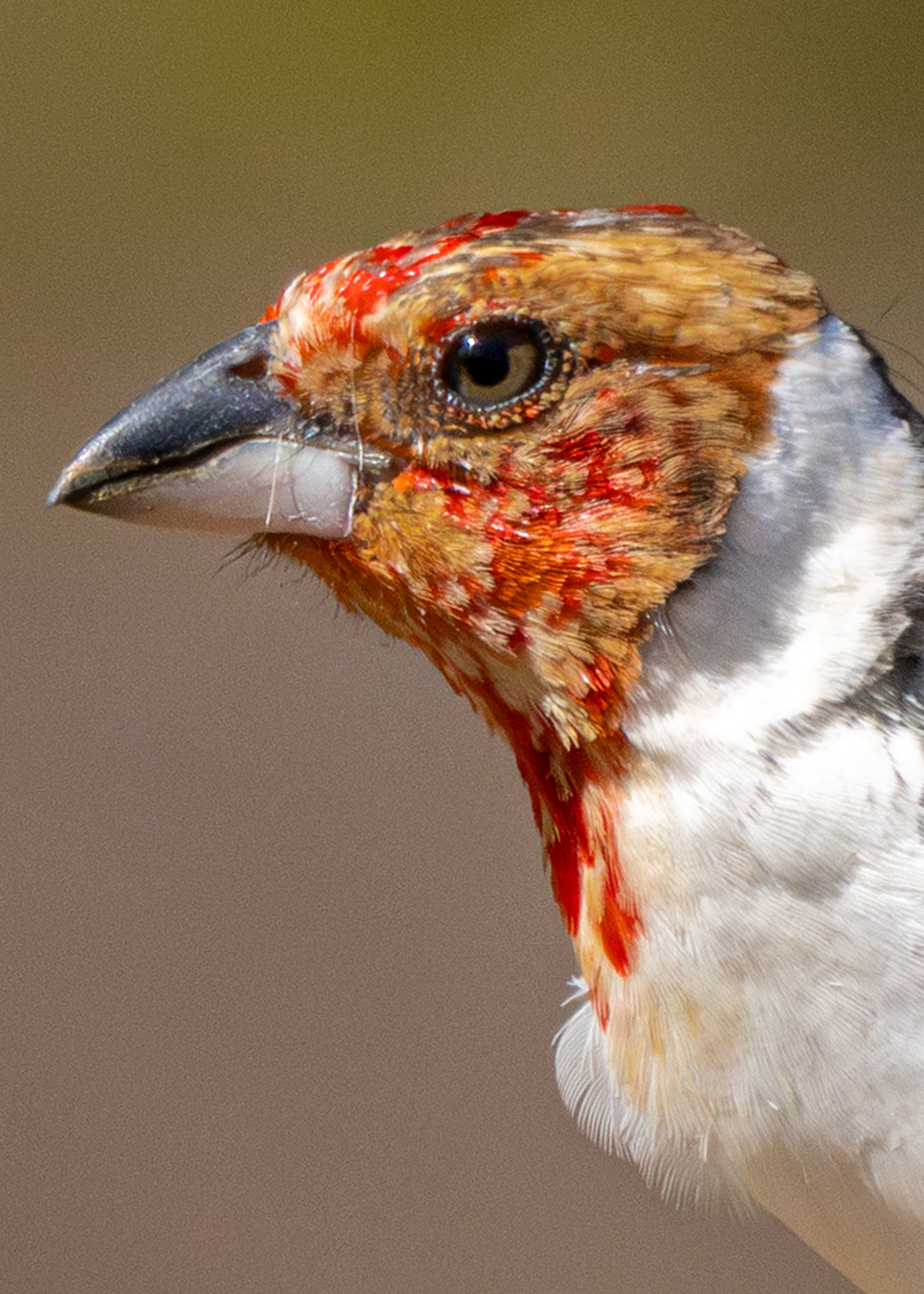
Galo-de-campina (Paroaria dominicana)
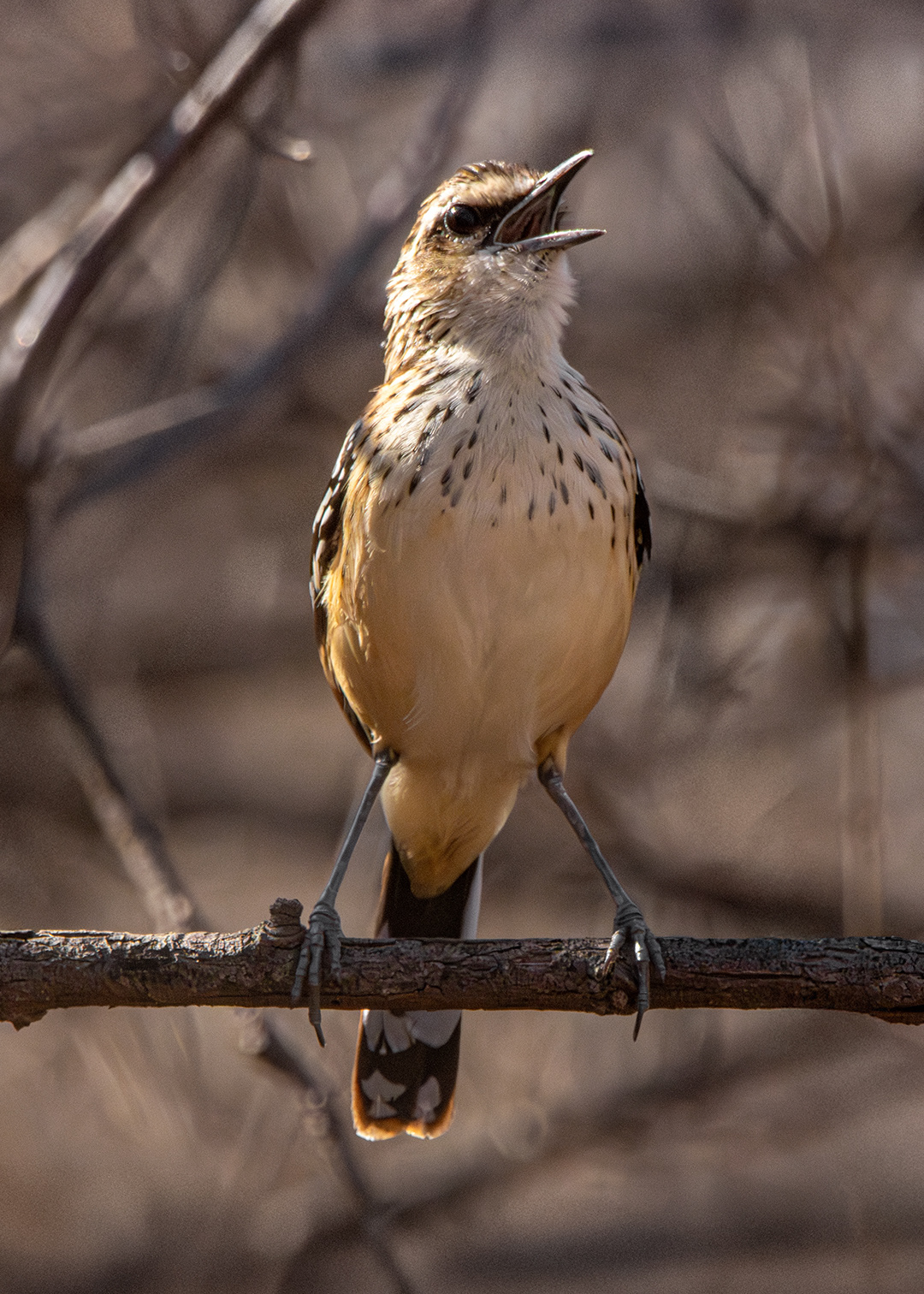
Tem-farinha-aí ♀ (Myrmorchilus strigilatus)
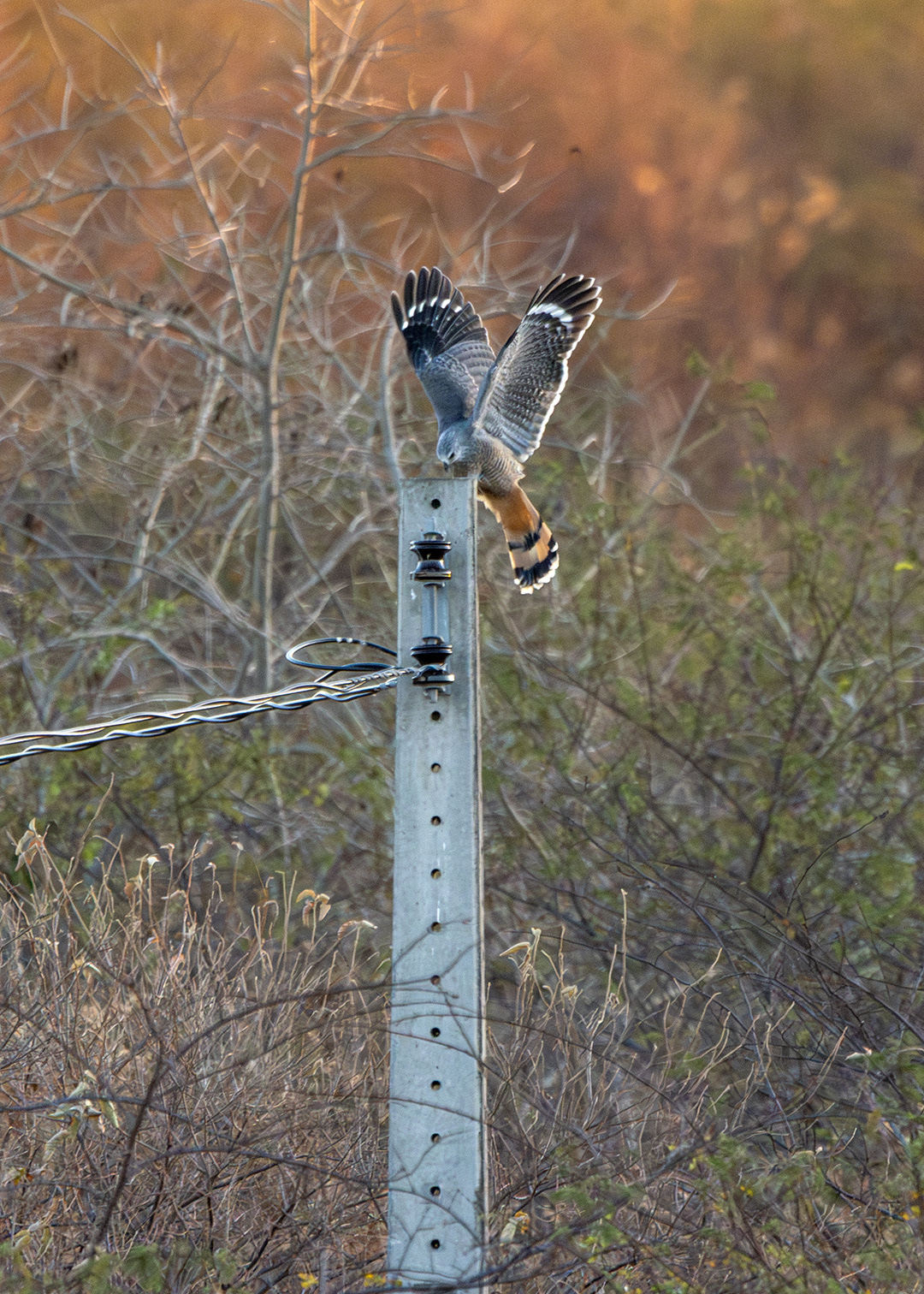
Gavião-pernilongo (Geranospiza caerulescens)
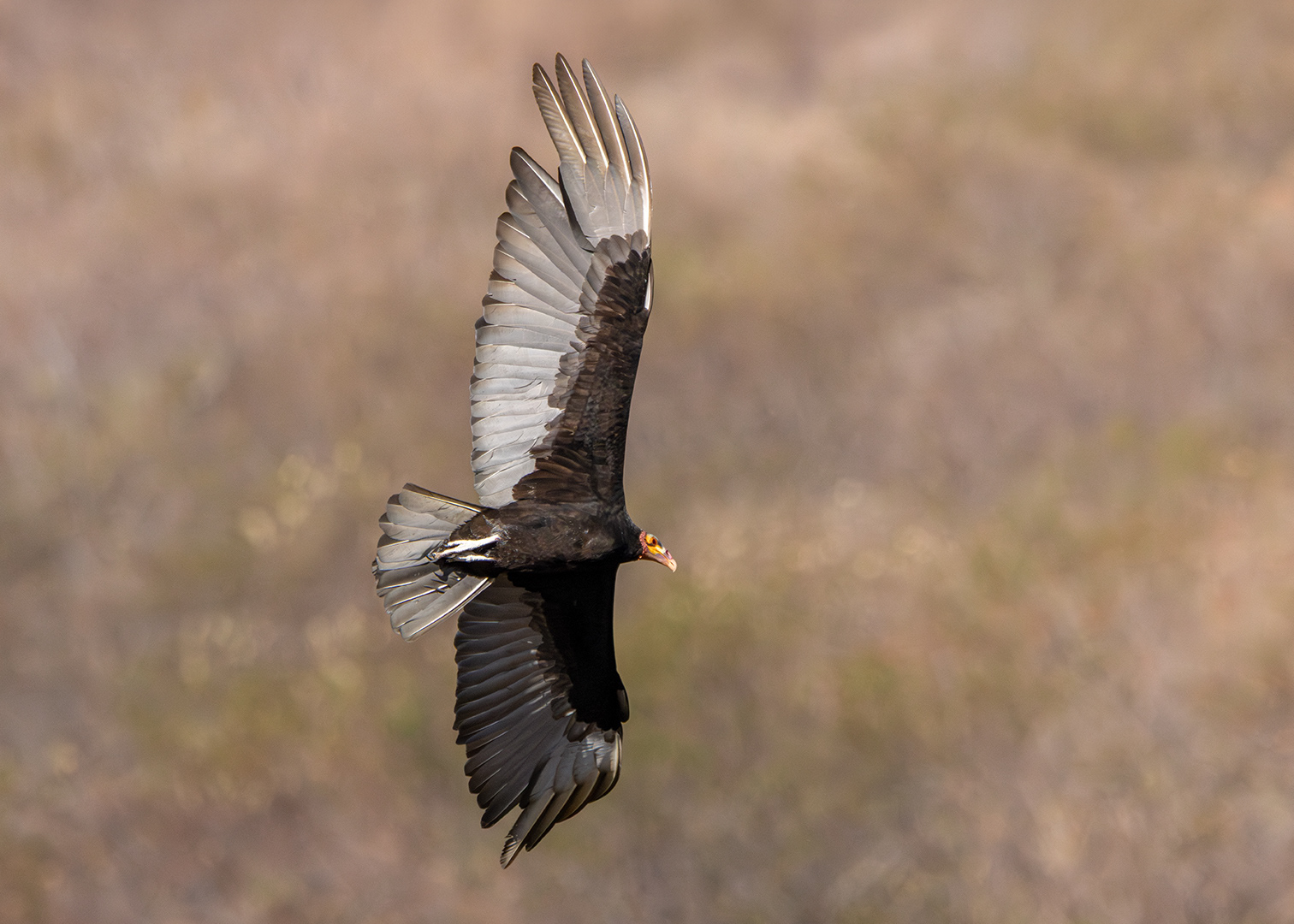
Urubu-de-cabeça-amarela (Cathartes burrovianus)
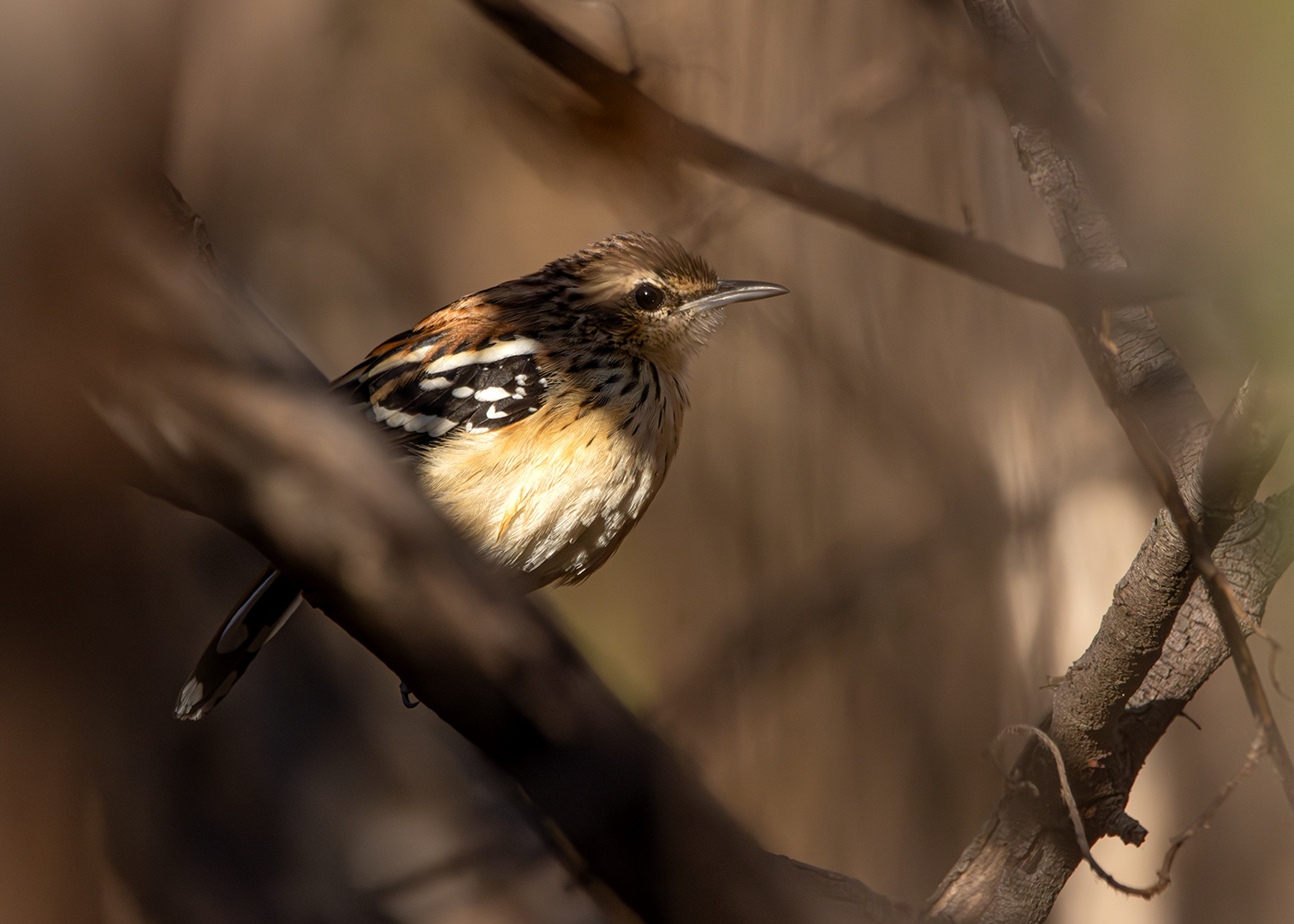
Tem-farinha-aí ♀ (Myrmorchilus strigilatus)
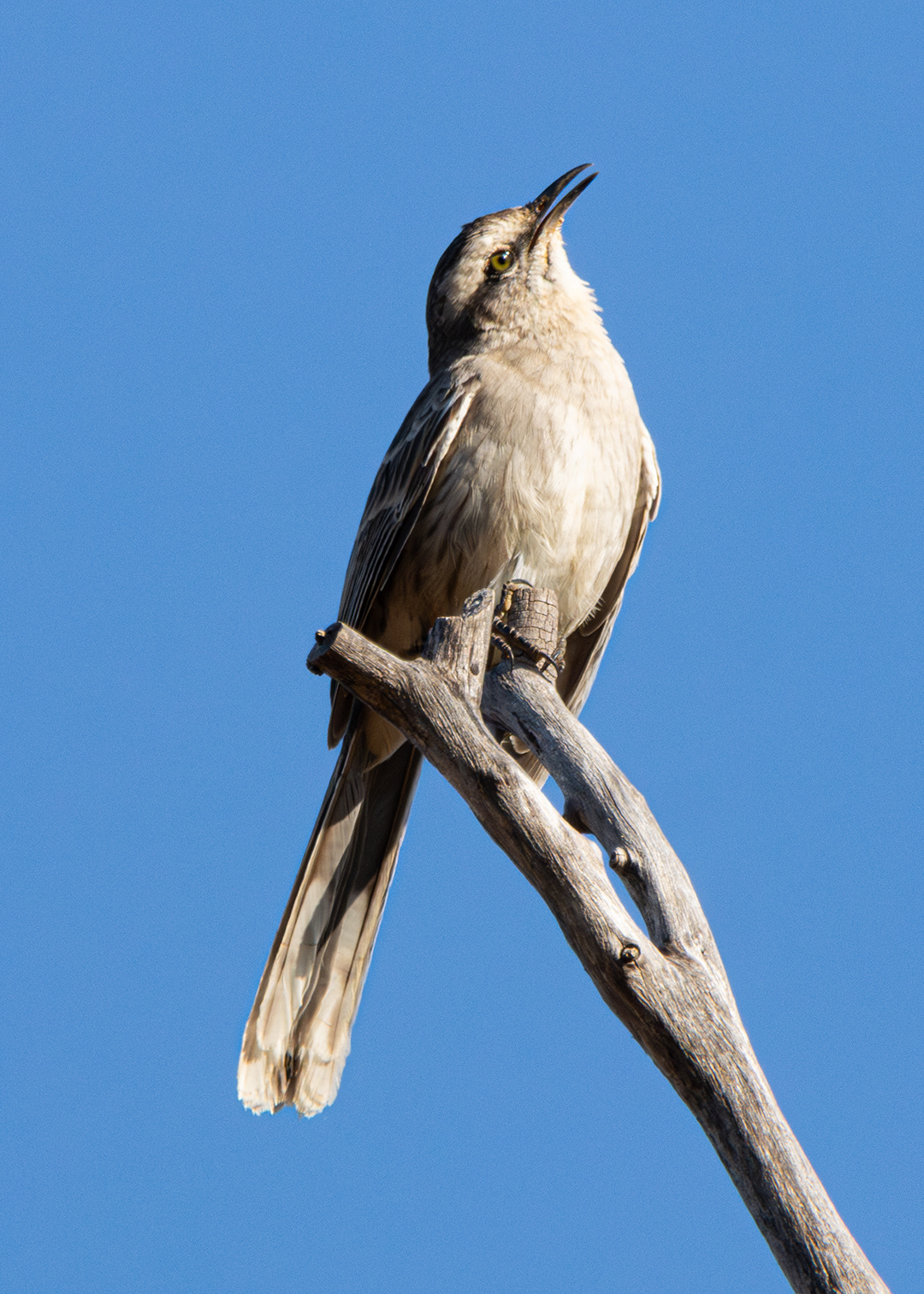
Sabiá-do-campo (Mimus saturninus)
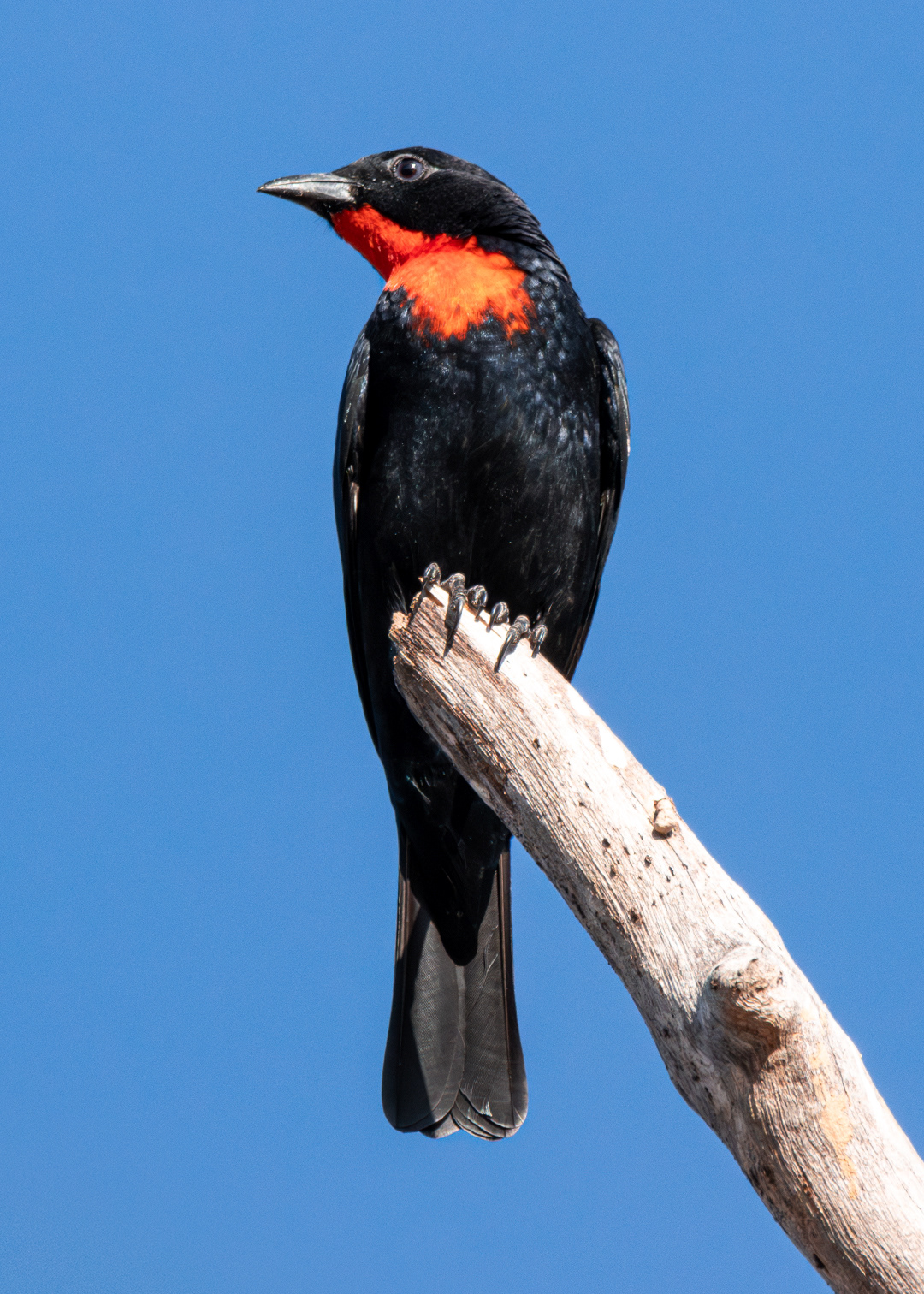
Tiê-caburé ♂ (Compsothraupis loricata)
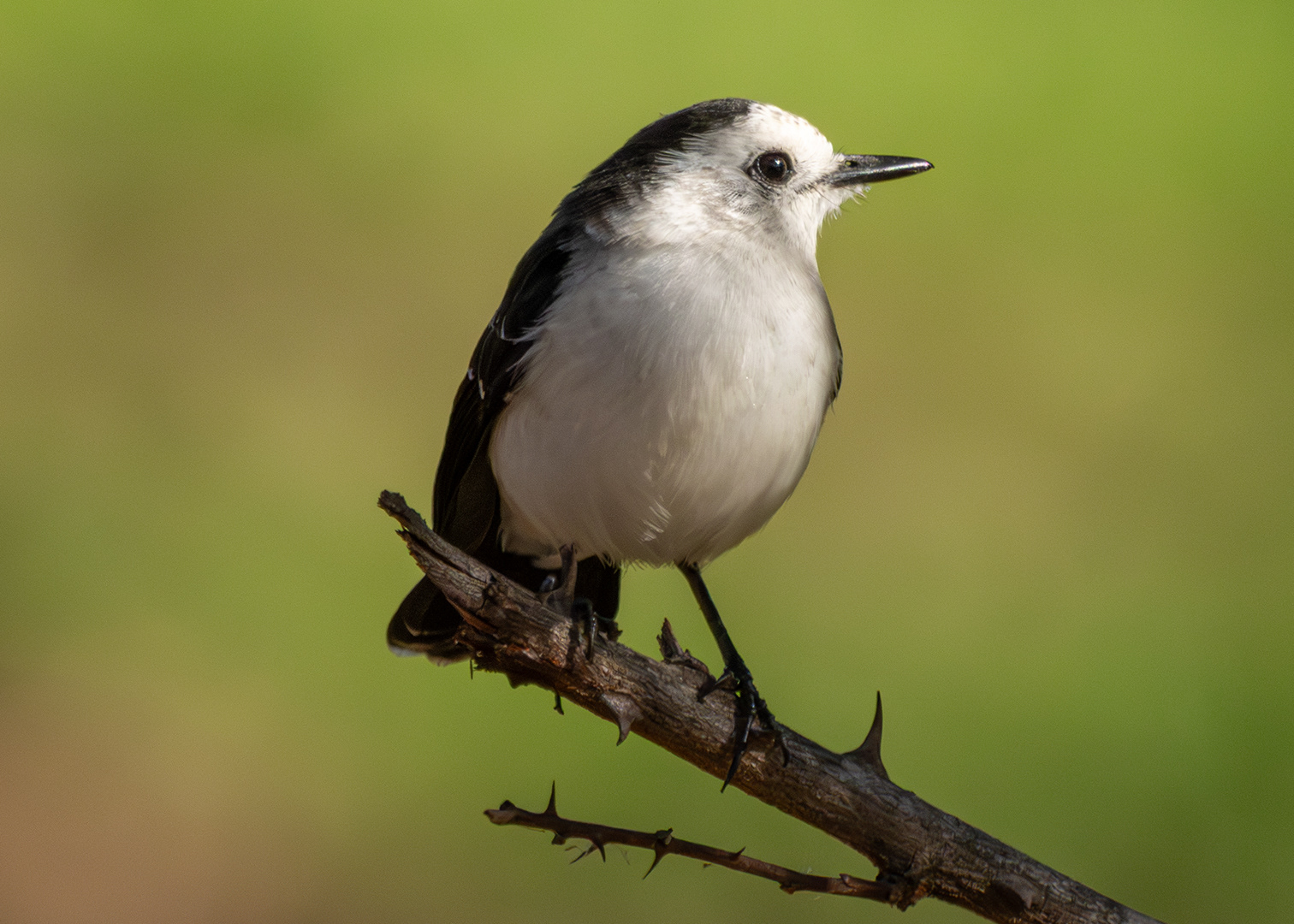
Lavadeira-de-cara-branca (Fluvicola albiventer)
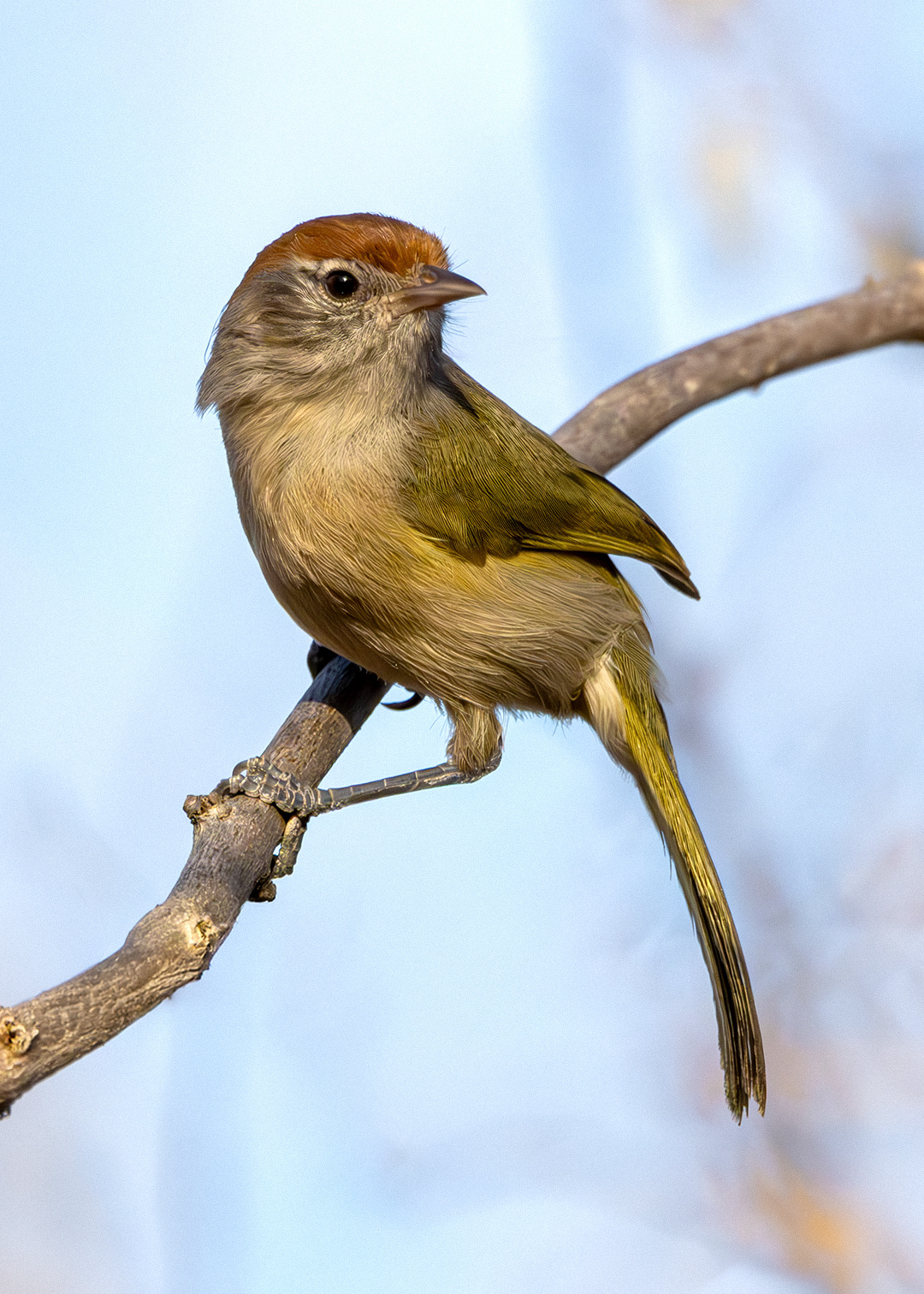
Vite-vite-de-olho-cinza (Hylophilus amaurocephalus)
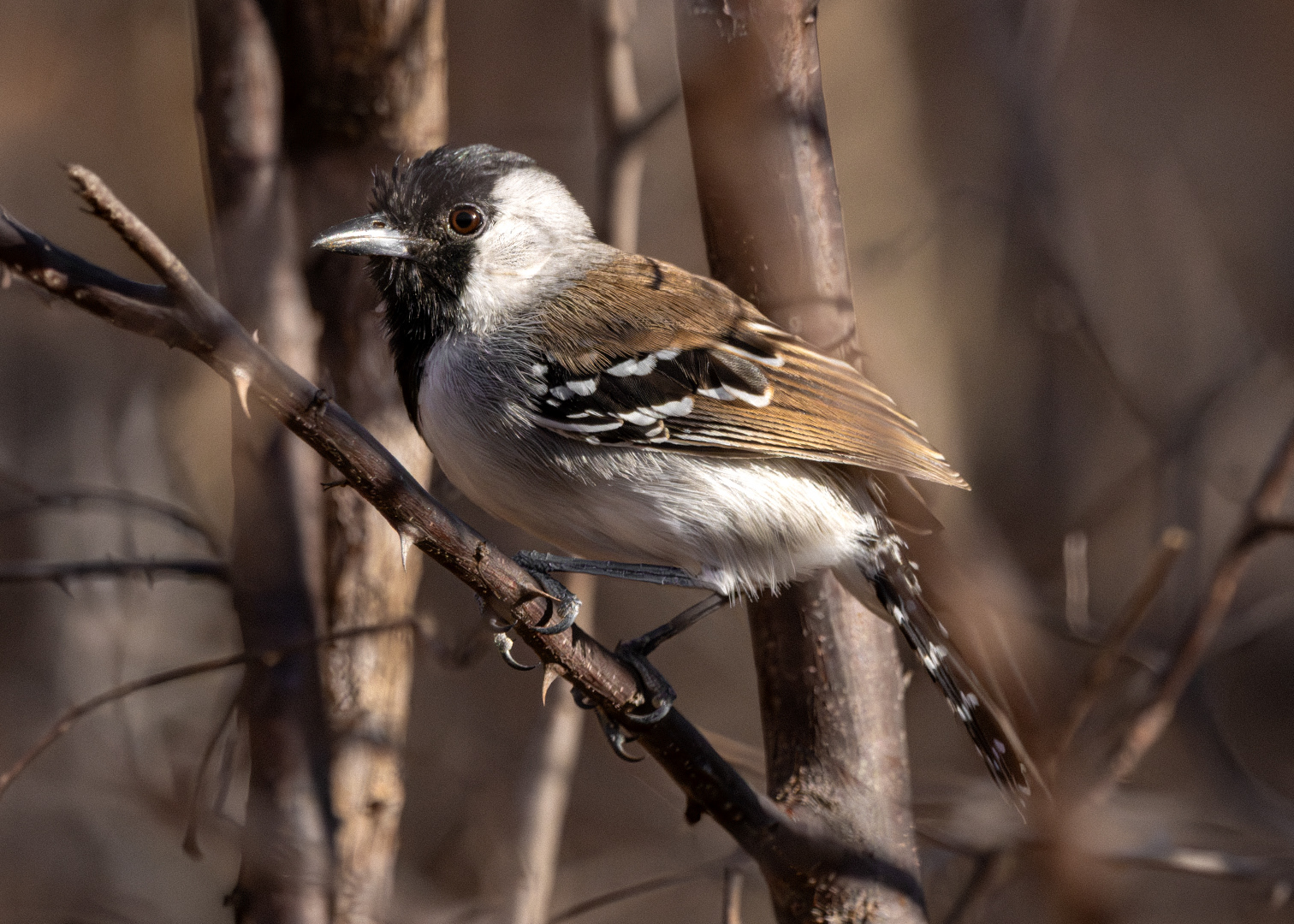
Choca-do-nordeste ♂ (Sakesphoroides cristatus)